
Colombian cooking uses fewer herbs than people expect, and leans hard on two of them. There is also one herb with no substitute at all, and it is not on most lists.
Guascas, the one that cannot be replaced
Not in the original version of this page, and it should have been. Guascas is a small green herb that grows as a weed across the Andes, and it is the ingredient that makes ajiaco taste like ajiaco. Nothing else tastes like it: faintly artichoke, faintly grassy.
It is sold dried, in small packets, in Latin American groceries and online, and it keeps for about a year. If you are making ajiaco there is no way around it. Everything else on this page has a substitute; guascas does not.
Cilantro
The most used herb in the country, and the source of the most common translation error in Colombian recipes. In American English cilantro means the fresh green leaves, which is correct. British recipes call the same plant coriander and use that word for the dried seed as well, which tastes nothing like the leaf. Translation software picks the wrong one constantly.
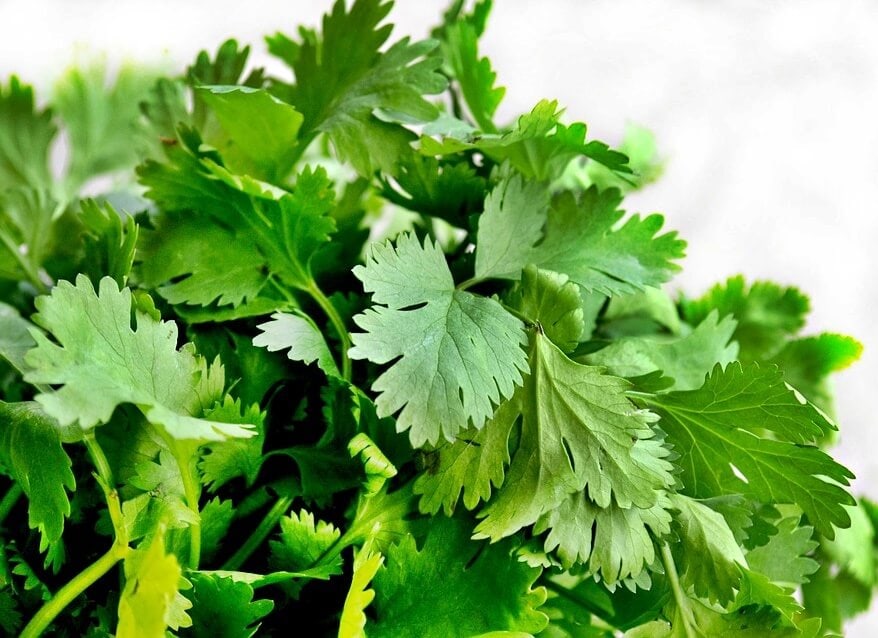
When a Colombian recipe says cilantro it always means the fresh leaves, added at the end so the heat does not flatten them.
There is also cilantro cimarrón, called culantro, a long serrated leaf used on the Caribbean coast. It is the same flavour, several times stronger, and it survives cooking where ordinary cilantro does not.
Bay (laurel) and thyme (tomillo)
The two that go into the pot at the beginning and stay there. Bay leaf in beans, in stews and in broth; thyme in almost anything slow.
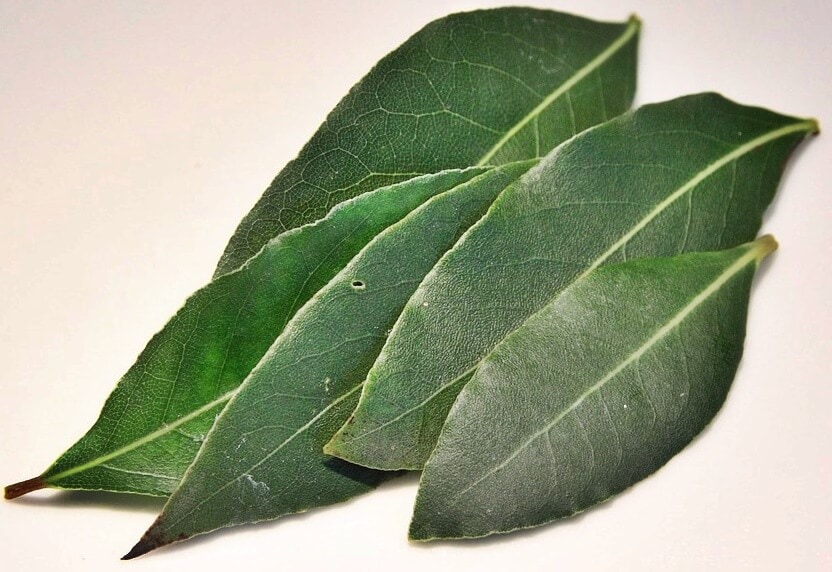
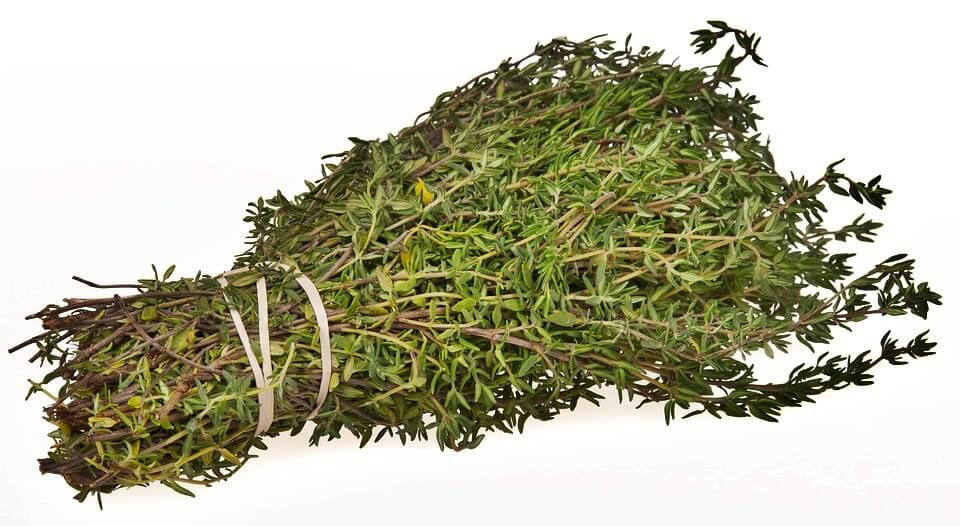
Dried is normal for both and nobody uses fresh bay. This is one of the few places where Colombian cooking overlaps directly with Spanish cooking, which is where both arrived from.
Parsley (perejil)
Used for finishing rather than for cooking, scattered over a dish at the end. Flat leaf, not curly.

Oregano (orégano), basil (albahaca) and rosemary (romero)
All three exist in Colombian kitchens without being central. Oregano goes on grilled meat and into some sauces, basil turns up mostly in the Italian-influenced cooking of the cities, and rosemary is largely reserved for roast meat.
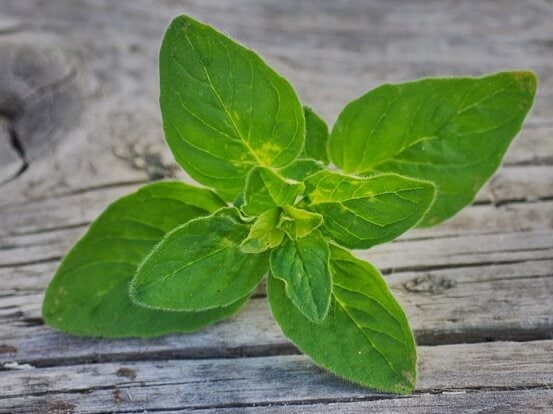

If you are cooking Colombian food and short on herbs, none of these three is what you are missing. Cilantro is.
Where the flavour actually comes from
Worth saying plainly, because a list of herbs gives a misleading impression. The backbone of Colombian seasoning is not herbal: it is cumin, colour (achiote or turmeric-based, sold as color), scallion, tomato, garlic and onion, cooked down together into hogao or a guiso.
Cumin in particular is used in quantities that surprise people. It goes into beans, meat, stews, empanada filling and rice, and its absence is the most common reason a foreign attempt at Colombian food tastes almost right.
Colombian Herbs FAQ
More ingredients
- General ingredients — the rest of the pantry.
Guascas is a small green herb that grows wild across the Andes and gives ajiaco its characteristic flavour, faintly artichoke and faintly grassy. There is no substitute. It is sold dried in small packets in Latin groceries and online, and keeps about a year, so it is worth ordering if you want to make ajiaco properly.
They are the same plant, but the words are used differently. American English calls the fresh leaves cilantro. British recipes call the plant coriander and also use that word for the dried seed, which tastes completely different. A Colombian recipe saying cilantro always means the fresh green leaves.
Also called culantro, a long serrated leaf used on the Colombian Caribbean coast. It tastes like cilantro several times over and, unlike ordinary cilantro, it holds up to cooking rather than losing its flavour in the pot.
Probably none. It is most likely cumin, which is not a herb but is the backbone of Colombian seasoning and is used in larger quantities than foreigners expect. After that, the missing element is usually hogao: scallion and tomato cooked slowly into a sauce.
A seasoning powder, achiote or turmeric based, used to give rice and stews a yellow-orange tint. It contributes very little flavour and is used for appearance. Turmeric or a pinch of annatto is a reasonable substitute.
Comments
No Comments