
You must try this delicious Beef Sancocho, a dish that is a true gem of Colombian cuisine. With a unique combination of flavors and textures, this hearty and comforting dish is perfect to enjoy on a cold day or just for a family dinner.
The Colombian beef sancocho is one of the most traditional and significant dishes in our culture, much like beans or ajiaco. Like most dishes, it's very versatile since you can make it with different types of meat, or even without meat, a great option for vegetarians.
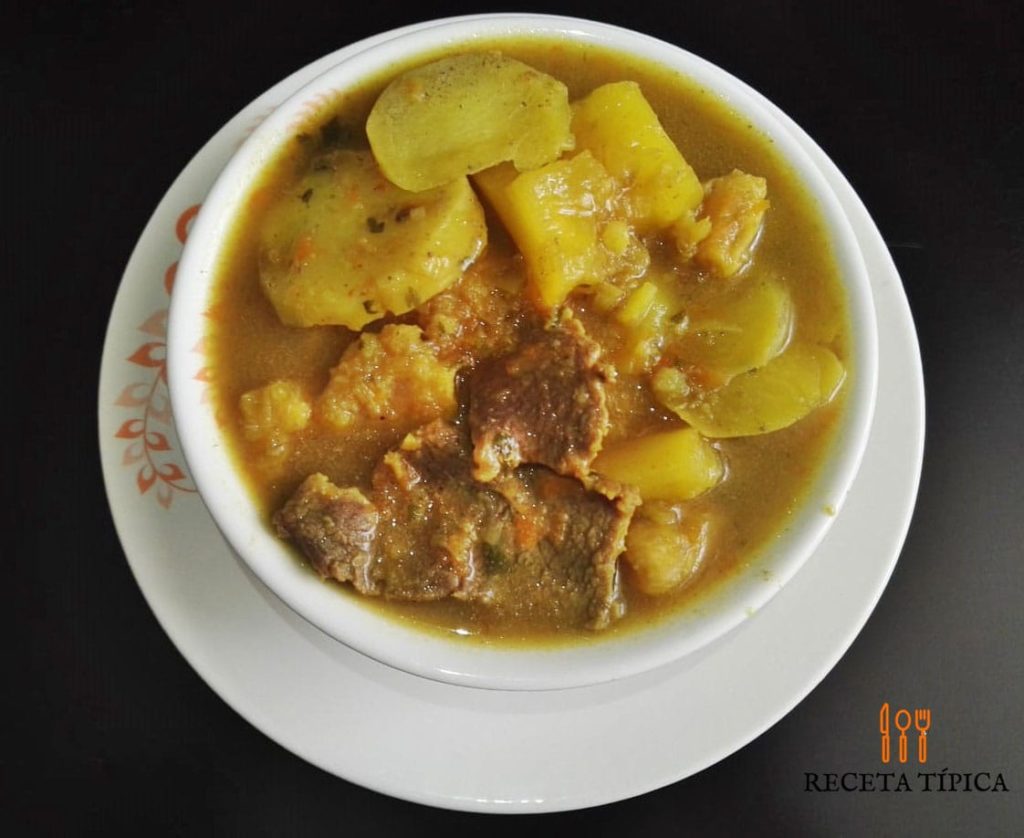
At home, it's very common to have seconds of beef sancocho for lunch, its taste certainly merits it. And what better idea than to eat another piece of meat.
What to serve with this beef sancocho?
You can pair sancocho with a variety of side dishes, but it's most commonly served with a good portion of rice and salad. There's no need to include grilled or fried meat since the soup already contains this ingredient.
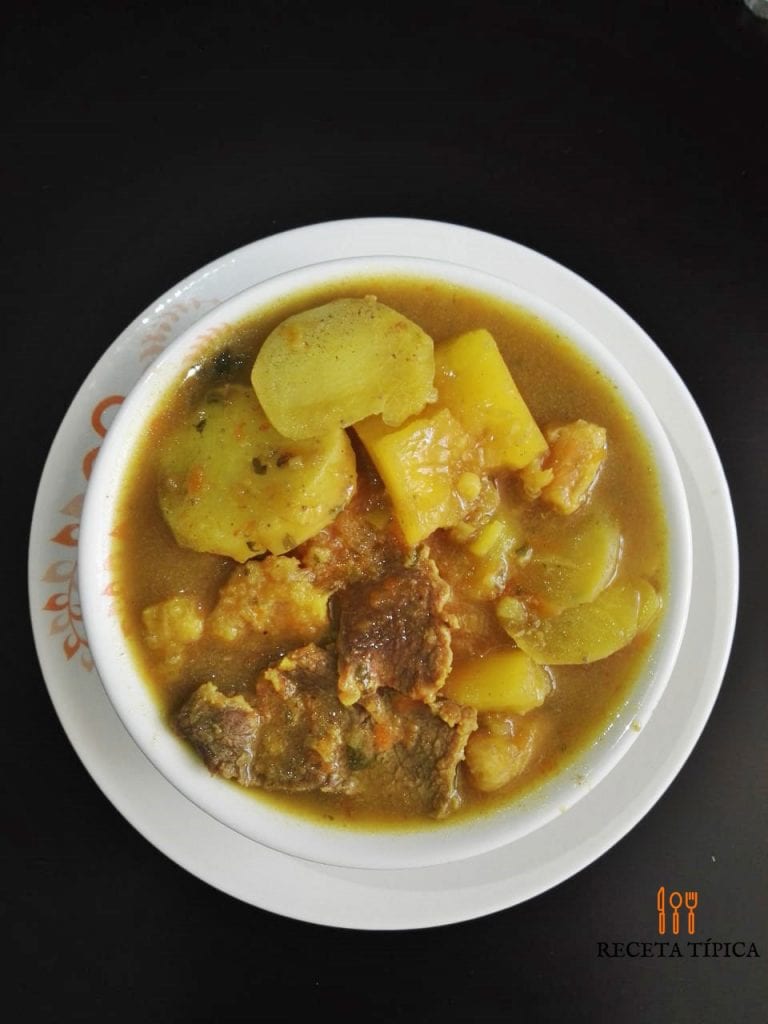
I hope you enjoy this delicious beef sancocho recipe. Remember, you can also find recipes for chicken sancocho or fish sancocho on this blog.
What type of meat is best for sancocho?
The best meat for beef sancocho should have some fat and be good for slow cooking, like stewing beef or flank steak.
Can you make this beef soup in a pressure cooker?
Yes, you can make beef sancocho in a pressure cooker. Simply place the meat, bones, and cassava in the pot over medium heat for about 10 minutes, then add the other ingredients for another 20 minutes. If you add all ingredients at once, the potatoes might break apart.
What other ingredients can be added to sancocho?
You can add other ingredients like ripe plantains, corn on the cob, arracacha (a root vegetable), Andean potatoes, cilantro, and chili peppers. This will give it an even more authentic and traditional flavor.
Tips
- For a thicker sancocho, you can mash some of the potatoes and return them to the pot.
- If you like it spicier, you can add more chili peppers.
- Add salt at the end to prevent the meat from hardening.
Recommendations
If you like traditional Colombian dishes, I recommend trying these similar recipes:
- Ajiaco: This traditional soup is from Bogotá and is made with Andean potatoes, chicken, corn, capers, and sour cream. Perfect for a cold, rainy day.
- Mondongo: This traditional stew from Colombia's Atlantic coast is made with beef tripe, potatoes, cassava, and spices. It's a very flavorful and filling dish.
- Antioquian Beans: This dish is typical from the Antioquia region and is made with red beans, pork meat, chorizo, ripe plantain, and rice. It's a complete and satisfying dish.
Common mistakes
- Adding all the ingredients at once, which can cause the potatoes to break apart.
- Not cooking the meat and cassava long enough before adding other ingredients.
- Not adding enough salt, resulting in a bland taste.
- Sancocho valluno — the Valle del Cauca version.
- Sancocho trifásico — beef, chicken and pork in one pot.
Sancocho FAQ
A thick Colombian soup of meat, plantain, cassava and potato cooked in one pot until everything is soft. It exists across the Caribbean and Latin America in different forms; in Colombia it is Sunday food, cooked in quantity and eaten as the main meal of the day.
The protein, and with it the character. Beef sancocho, made with meaty bones, gives the deepest broth. Chicken sancocho is lighter and quicker. Fish sancocho, from the coasts, often uses coconut milk. Sancocho trifásico combines beef, chicken and pork in one pot.
Because they cook at different speeds. Meat, bones and cassava need a long start; potato and plantain fall apart if they get the same treatment. Adding everything at once gives you broth with disintegrated potato in it instead of distinct pieces.
Bones with some meat still attached, usually shin, neck or short rib, sold at any butcher and often labelled soup bones. They are what makes the broth: the marrow and connective tissue give sancocho its body, and a boneless cut alone leaves it thin.
It is a shortcut to depth of flavour and it is standard in Colombian home cooking, where Ricostilla and Maggi are the usual brands. You can leave it out and season with more salt, but expect a plainer broth. Using good bones matters more than the cube does.
The yellow-orange colour Colombian soups are expected to have, usually from achiote. It adds essentially no flavour, so leaving it out changes only the look. A pinch of turmeric gives a similar colour.
White rice on the side, avocado, and often an arepa. The rice is not optional in the way it might seem: spooning the broth over rice is part of how it is eaten. Some people add a squeeze of lime at the table.
📖 Recipe

Ingredients
- 1 lb beef, cut into portions (about 450 g)
- 2 meaty beef bones (shin, neck or short rib; ask for soup bones)
- 2 large green plantains, chopped into large pieces (green, not ripe)
- 4 potatoes, sliced
- 1 medium cassava, chopped into large pieces (frozen yuca works)
- 1 large tomato, finely chopped
- ½ onion, or 2 green onion stalks, finely chopped
- ½ cube of beef bouillon (Ricostilla or Maggi are the usual Colombian brands; optional)
- ½ small carrot, grated
- Food colouring, to taste (achiote, for the colour Colombian soups are expected to have)
- Salt, to taste
- Fresh cilantro, to taste
Notas
Instructions
- In a heavy pot over medium heat, add the beef, the meaty bones and the cassava with enough water to cover. Cook for about 20 minutes.
- Add the plantains, potatoes, tomato, onion, carrot, cilantro, food colouring, bouillon cube and salt to taste.
- Continue cooking for another 30 minutes, until the meat is tender and the potatoes are breaking at the edges, which is what thickens the broth. Serve with white rice.
John Wright
There is nothing like Colombian sancocho on a Sunday , especially if you went out the night before