
Coconut milk boiled down until all its water has gone and only the oil and the toasted brown solids remain, and rice cooked in that. Those solids are the titoté, and they are the dish.
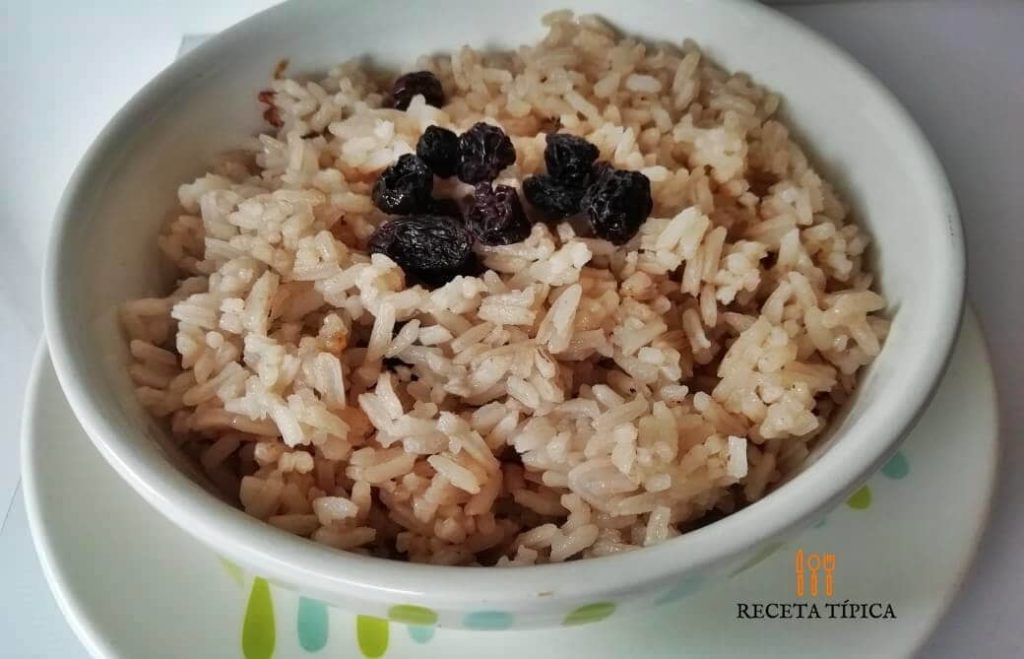
The titoté is the recipe
Everything that makes this dish what it is happens in the second step, and it is the step people cut short.
The thick coconut milk goes into the pot with the sugar and boils. For a long time nothing appears to happen; it just reduces. Then the water finally goes and the pot changes: oil separates out and the solids left behind turn from cream to gold to a deep brown. Those brown granules are the titoté.
It takes around half an hour, and it is not optional. Skip it and you have made a perfectly pleasant white coconut rice, but not arroz con coco titoté, and the difference is visible on the plate.
Watch the last two minutes
The one thing to be careful about is that toasted and burnt are two minutes apart.
Up to the moment the liquid disappears you can leave the pot alone. From the moment the granules start taking colour, stand over it and stir. Burnt titoté is bitter and there is no rescuing it: the whole pot has to be thrown out and started again.
The colour you want is the brown of dark caramel, not of coffee.
Two coconuts, two milks
The ingredient list asks for seven cups of water and it looks like a lot for three cups of rice. It is not, because the water is used in two separate places.
The first blending uses the coconut water and two cups of warm water, and that thick milk is what becomes the titoté, boiling away to nothing. The pulp left in the sieve is blended a second time with the remaining five cups, and that thin milk is the liquid the rice actually absorbs.
So the rice sees five cups, not seven, which is a normal ratio for three cups of rice.
Where it comes from
This is Caribbean Colombian cooking, from the coast rather than the interior, and it is generally traced to Cartagena.
It turns up next to fried mojarra, next to shrimp, next to patacones, and at Christmas on tables all along the coast. The raisins are traditional in the version that carries them, which is sometimes called arroz con coco y pasas.
Inland Colombian cooking barely uses coconut at all, which is why this rice tastes like nowhere else in the country.
More rice
- Colombian white rice — the everyday one.
- Fried fish — what it is served with.
- Patacones — and what goes beside it.
- Chorizo rice — another one-pot rice.
Arroz con Coco Titoté FAQ
The caramelised solids left when coconut milk is boiled until all its water has gone. What remains in the pot is coconut oil and dark brown granules, and those granules are the titoté. They are what turn the rice brown and give it its toasted taste.
Because the milk was not reduced far enough. Titoté only appears after the liquid has completely gone, which takes about half an hour. Stopping when it merely looks thick gives you plain coconut rice.
When the liquid has evaporated, oil separates out and the solids turn from cream to golden to deep brown. Stay at the pot from the moment they start colouring, because the window between toasted and burnt is a couple of minutes.
It works but it is not the same, because you only get one milk instead of two. Use one can for the titoté and thin a second with water for cooking the rice.
The first blending gives a thick milk that becomes the titoté. The pulp left in the sieve is blended again with five more cups of water to give a thin milk, and that is what actually cooks the rice.
Three tablespoons of sugar and two teaspoons of salt go into the same pot. That contrast is the dish, and it is why it works next to fried fish rather than as a dessert.
Fried fish, most often, with patacones. It is the standard plate on the Caribbean coast and in Cartagena, where the dish is generally said to have started.
📖 Recipe

Ingredients
- 3 cups rice
- 2 coconuts (both flesh and water)
- 3 tablespoons brown sugar or panela
- 2 teaspoons salt
- Raisins to taste (optional)
- 7 cups water (including the coconut water; 2 go into the first milk and 5 into the second)
Notas
Instructions
- Cut the coconut flesh into small pieces. Blend it with the coconut water and 2 cups of warm water. Strain this milk and keep the pulp that stays in the sieve.
- Pour the strained milk into a pot with the sugar. Boil over medium heat until the water has gone and all that is left is the coconut oil and dark brown granules. That is the titoté, and it takes around half an hour. Stir near the end so it toasts without burning.
- Blend the reserved pulp with the other five cups of water. Add it to the same pot with the titoté over medium heat, then the salt and the washed rice, stirring so nothing sticks.
- When the rice starts to dry out, add the raisins, turn the heat to low, cover and leave it for about 15 minutes.
Janet
My mom recently passed away and she used to cook this rice. I helped her a couple of times, but never wrote down the recipe, regrettably! I have been searching, and this is the closest to what I remember. I do remember she added Coca Cola. So how much Coke should I add and when do I add it? Please and thank you!!! 🙂
Mely Martinez
Hello Janet, We have a recipe for rice in Coca COla. Here is the link:https://recetatipica.net/coca-cola-rice/