
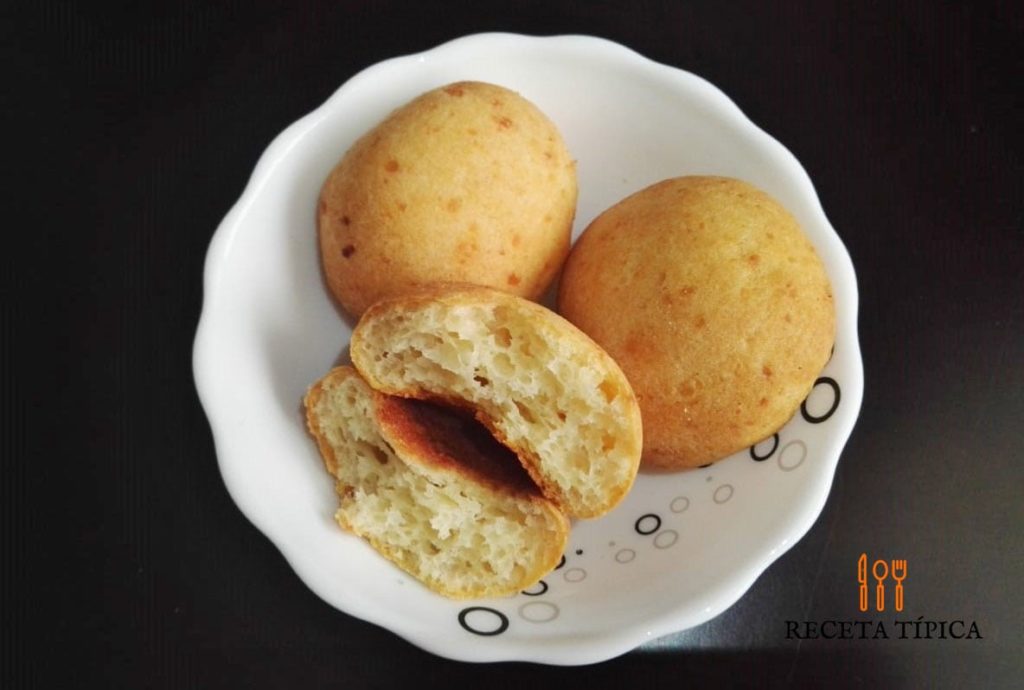
These soft and fluffy rolls, made with precooked white cornmeal, cheese, and other basic ingredients, will quickly become your new culinary obsession. Get ready to surprise your loved ones and transport them to beautiful Colombia with every bite of these irresistible homemade Almojábanas.
They are not only perfect for breakfast, but they are also ideal for a snack, accompanied by a delicious cup of coffee or hot chocolate.
Colombian Almojábanas are a very delicious sweet bread, like buñuelos, pandebonos, and cheese bread, and even empanadas, all of these can be accompanied with a delicious cup of coffee or chocolate at any time of the day.
Almojábanas are often confused with pandebonos, but they are actually very different, if you do not know how to differentiate them, you can find both in most cafeterias or bakeries, to then come and prepare this recipe at home.
What kind of cheese can be used in Almojábanas?
You can use cottage cheese or curd in this Almojábanas recipe. However, if you cannot find these cheeses, you can substitute them with fresh cheese or peasant cheese. Keep in mind that the flavor and texture may vary depending on the cheese you choose.
Frequently Asked Questions
When the Almojábanas are golden brown, it is a sign that they are well cooked. Generally, this happens after about 30 minutes of baking at 205°C (400°F). To be sure, you can insert a toothpick into the center of an Almojábana and if it comes out clean, it means they are ready.
Although baking powder helps Almojábanas become fluffy, you can omit this ingredient if you do not have it available. However, it is possible that the Almojábanas may be a bit denser and less airy than they would be with baking powder.
Almojábanas are best preserved in an airtight container or wrapped in plastic at room temperature. They can last up to 2-3 days. If you want to keep them longer, you can store them in the refrigerator, but this may affect their texture.
Yes, you can freeze Almojábanas. Wrap them individually in plastic and store them in freezer bags. They keep well in the freezer for up to 2-3 months. Thaw them at room temperature before reheating them in the oven or in the microwave.
A small Colombian cheese bread made from masarepa, which is precooked corn flour, and a fresh curd cheese. It is baked rather than fried, comes out soft inside with a thin crust, and is eaten warm at breakfast or with afternoon coffee or hot chocolate.
The starch and the cheese. Almojábanas use masarepa (corn) with cuajada, a mild fresh curd. Pandebono uses cassava starch with queso costeño, which is drier and much saltier. Pandeyuca is cassava starch too, with a mix of cheeses. All three are baked cheese breads; they taste noticeably different.
Queso fresco or farmer's cheese are the closest to cuajada and behave the same way. If you use cottage cheese, drain it thoroughly first in a sieve or a cloth: it carries far more water than cuajada, and undrained it makes the dough slack and the almojábanas spread flat.
Precooked white corn flour, the same one used for arepas, sold in US supermarkets as P.A.N., Areparina or simply masarepa. There is no real substitute here: regular cornmeal is not precooked and will not bind, and corn starch does something else entirely.
Usually too much moisture in the cheese, which is why draining matters. Overworking the dough is the other cause: mix until it just comes together and no further. And check the baking powder is still active, since it is what gives them their lift.
The name and the idea are Arab, brought to Colombia by the Spanish, who swapped wheat flour for corn. They took hold in the nineteenth century around Soacha, in Cundinamarca, which is still the town most associated with them.
Yes, and they freeze well either baked or as raw shaped balls. From frozen dough, bake them straight from the freezer with a few extra minutes. Baked ones reheat best in the oven: the microwave makes them chewy rather than soft.
Tips and tricks for perfect Almojábanas
- Make sure to mix all the ingredients well until you get a homogeneous dough.
- Do not knead the mixture excessively, as this can make the Almojábanas hard.
- Use parchment paper or grease the baking tray well to prevent the Almojábanas from sticking.
Common mistakes when preparing Almojábanas
Not mixing the ingredients properly: This can result in Almojábanas with uneven texture and inconsistent flavor.
Using a very salty cheese: Can make the Almojábanas too salty. Make sure to adjust the amount of salt according to the cheese you use.
Insufficient baking: Almojábanas should be golden on the outside and cooked on the inside. If they are not baked enough, they can be raw in the center.
Other similar recipes
- Colombian Arepas: They share precooked white cornmeal as the main ingredient and are a delicious option for breakfasts and dinners. You can fill them with cheese, meat, avocado, among other ingredients.
- Colombian Buñuelos: They also use cheese and cornmeal in their preparation, although the traditional recipe requires cassava flour instead of corn. They are fried balls, crispy on the outside and soft on the inside, ideal to accompany with coffee or hot chocolate.
- Pandebono: It is another traditional Colombian bread that shares ingredients such as cheese and starch. The pandebono recipe uses cassava starch and cornmeal, which gives it a soft and elastic texture. They are served hot and are perfect to enjoy at breakfast or snack.
- Cassava bread: This soft and delicious bun is made with cassava starch, cheese, and eggs. They are ideal to accompany with a cup of coffee and can be enjoyed at any time of the day.
- Hojaldras — the flaky one.
I recommend these recipes because they are variations of Colombian breads and snacks that share similar ingredients to Almojábanas. Trying these different recipes will allow you to enjoy the diversity of flavors and textures that Colombian cuisine offers. These recipes are ideal for those who are looking to experiment with different ways to use cornmeal, cheese, and other common ingredients in Colombian cuisine.
📖 Recipe

Colombian Almojábanas (Cheese Bread Rolls)
Imprimir Pin ComentarIngredients
- 1 cup masarepa (precooked white corn flour) (sold as P.A.N. or Areparina in US Latin aisles; regular cornmeal will not work)
- 1 pound cuajada or fresh curd cheese (about 450 g; queso fresco or farmer's cheese work. If using cottage cheese, drain it thoroughly first)
- ½ cup milk
- 1 tablespoon butter, melted
- ½ tablespoon baking powder (that is 1½ teaspoons, which is easier to measure)
- ¼ tablespoon salt (that is ¾ teaspoon)
- 2 eggs
Notas
Instructions
- Preheat the oven to 400 °F (205 °C).
- Put all the ingredients in a bowl and mix until you have an even dough. Stop as soon as it comes together: overworking it makes the almojábanas dense.
- Divide the dough into 10 balls and place them on a baking tray lined with parchment paper, or greased with butter.
- Bake for about 30 minutes, until they are golden and sound hollow when tapped underneath.
- Serve warm, with coffee or hot chocolate. They are at their best within an hour of coming out of the oven.
Comments
No Comments