
Arequipe is milk and sugar cooked down until the sugars brown and the milk thickens. Nothing else goes in it. The whole recipe is a matter of time and of stirring: it takes over an hour, it has to be stirred often enough that nothing catches on the bottom, and the colour tells you where you are, from pale cream to deep amber.
You don't need to be a kitchen expert to prepare this delicious sweet, as this recipe is easy to follow and will provide all the secrets and tips to achieve a spectacular result. Additionally, arequipe is so versatile that you can combine it with a wide variety of desserts and dishes, giving them a unique and delicious touch.
Dare to explore the richness of Colombian gastronomy and surprise your loved ones with a homemade arequipe that will not only delight their palates, but also demonstrate your cooking skills and your love for sharing special moments. Don't wait any longer, dive into this sweet temptation and prepare your own arequipe today!
Arequipe is a sweet that has been known for many years for its particular flavor, and it is quite consumed and used in the kitchen for different recipes and occasions. Learn more about this recipe.
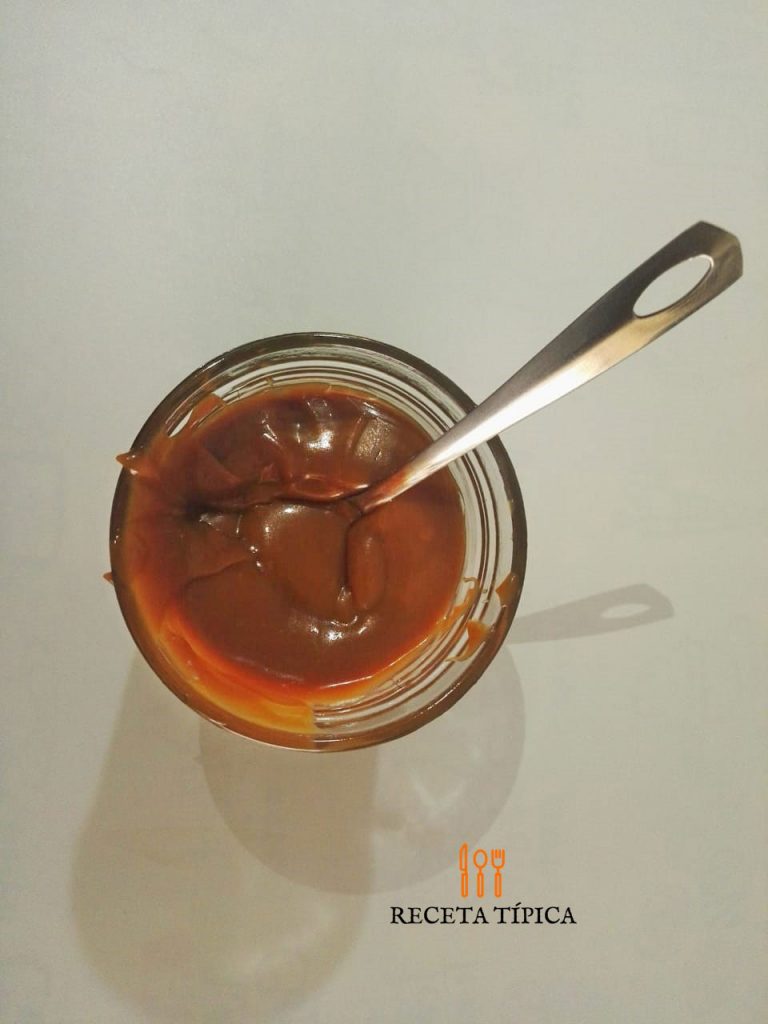
Homemade Arequipe
Today we bring you a particular recipe for you to learn how to prepare a good homemade arequipe and surprise your family. You will love its flavor from the first bite.
Differences with other recipes
It's the traditional recipe that has been known for many years, without adding or removing any ingredient.
It's the traditional flavor, because by preserving the recipe and its preparation, its flavor is also preserved.
Making it at home has never been so easy, and, in addition, so yield, so it's worth doing it.
What is arequipe?
Arequipe, also known as manjar, cajeta, or dulce de leche, is a dairy product with a thick and sweet texture. It is made from caramelized milk with sugar, and its consumption has spread to all countries.
Arequipe is usually used as a topping for desserts, fillings for different breads and sweets, to spread, and even to eat as is... It's a really delicious snack.
How to make arequipe?
To prepare this delicious recipe, start by placing all the ingredients in a pot, that is, the milk, sugar, cinnamon, and baking soda. Put this mixture over medium heat, stirring constantly to integrate.
After a while, you will notice that the mixture will start taking on a pale caramel color, when this happens, reduce the heat to low and continue stirring for a while longer. As the cooking time goes by, the caramel color will intensify and it will become thicker.
Once it is very thick and you can practically see the bottom of the pot, remove it from the heat, place it in individual containers if you wish, and let it rest. Once it's cold, you can store it in the fridge for up to a week. And it's ready.
What to accompany it with or use it for?
You can use it as a filling for pork rinds, handkerchiefs, cakes, to spread on salty cookies, and it can be accompanied with milk... there are several recipes that you can accompany and even create with this ingredient.
Tips and recommendations
Under no circumstances stop stirring, this, so that it does not stick, burn or smoke.
Wait for the mixture to cool before eating it or putting it in the fridge.
Why prepare this recipe?
- It's a simple recipe to prepare, its process is similar to that of custard, as you cannot stop stirring while its ingredients are being cooked.
- You can use this recipe to prepare others, like desserts, pork rinds filled with arequipe, or you can use it as a layer on some cake, etc.
- You can enjoy this recipe with a good glass of milk, you will love it.
- Piononos — the sponge roll it fills.
Recommended recipes
Arequipe pastries: a very good way to enjoy a pastry at snack time.
Roscones: a different sweet and excellent to fill with this great recipe.
María Luisa cake: to use this arequipe as a filling, an excellent María Luisa cake.
Arequipe FAQ
The Colombian name for dulce de leche: milk and sugar cooked down slowly until the sugars caramelise and the mixture turns thick and brown. It is used as a filling for pastries and obleas, spread on bread, or eaten by the spoonful. Argentina and Uruguay call it dulce de leche; Peru, manjar blanco.
Two things. It raises the pH, which speeds up the browning reaction and gives arequipe its colour in a couple of hours rather than many more. It also stops the milk proteins curdling as the mixture acidifies during cooking. Half a teaspoon is enough for two litres.
You can, and plenty of people do, but it is a different product: sweeter, denser and more uniform. Made from fresh milk, arequipe has a rounder dairy flavour and a softer set. The trade is two hours of stirring against a couple of hours of unattended boiling.
When you stir and the spoon leaves the bottom of the pot visible for a moment before the mixture closes over it. The colour should be a deep caramel. It thickens noticeably as it cools, so stop while it still falls off the spoon.
Yes, and it is the whole difficulty of the recipe. Milk and sugar catch on the bottom the moment they thicken, and a single scorched patch flavours the entire batch. There is no shortcut: use a heavy pot, keep the heat low and stay with it.
Manjar blanco, in the Colombian version, is thickened with blended rice as well as reduced, which gives it more body and a faint grain. Arequipe is only milk and sugar, so it comes out smooth and uniform. Same family, different texture.
Two to three weeks refrigerated in a closed jar. It firms up cold, so let it come to room temperature before spreading, or warm it briefly. It does not freeze well: the texture turns grainy on thawing.
📖 Recipe
Ingredients
- 2 liters milk (about 8½ cups; whole milk)
- 1 lb sugar (about 450 g / 2¼ cups)
- 1 stick cinnamon
- ½ teaspoon baking soda (speeds up the browning and stops the milk curdling)
Notas
Instructions
- Put everything in a heavy pot: the milk, the sugar, the cinnamon and the baking soda. Bring to medium heat and stir constantly from the moment it starts to warm. A heavy pot matters here: a thin one scorches.
- After about 40 to 50 minutes you will see the mixture turn a pale caramel colour. When it does, lower the heat and keep stirring without stopping.
- After another 40 minutes the colour deepens and the mixture thickens noticeably. Keep stirring.
- When you stir and can see the bottom of the pot for a moment before the mixture closes over it, take it off the heat. Pour into individual containers if you like, and let it rest. It thickens further as it cools, so stop while it still falls from the spoon.
Comments
No Comments