
Chicha is the name given to various varieties of fermented drinks, whether from corn, cassava, rice, oatmeal, although it is also often prepared from the fermentation of various cereals and fruits. It is a drink widely consumed in South and Central America.
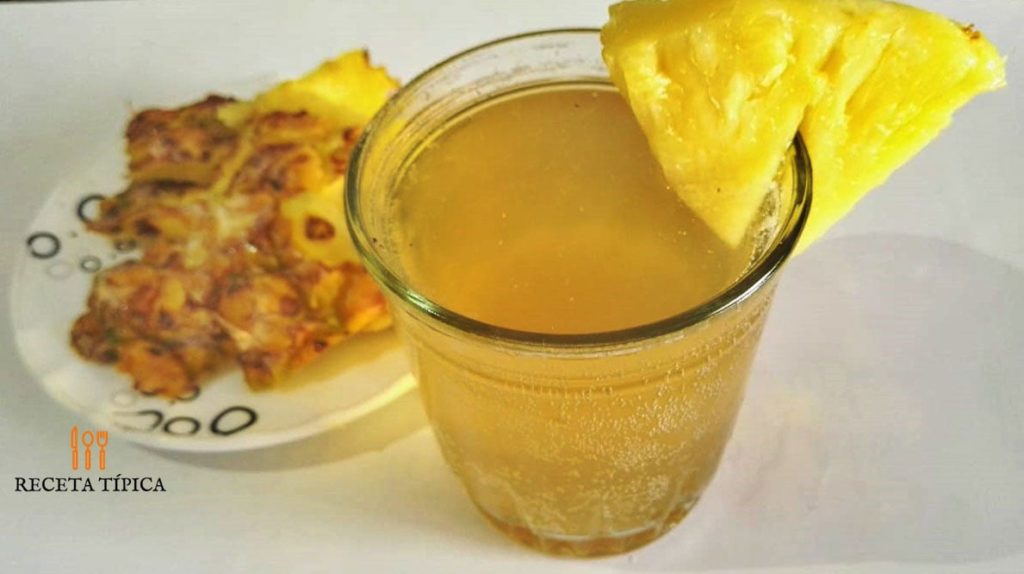
Plate with chicha skins and glass with Colombian chicha It is prepared in a very artisanal way, its alcohol content varies from mild to medium. Now, let's talk a little about the history of this drink.
In 1948 the Colombian government banned the manufacture of corn chicha that was not pasteurized and bottled in sealed containers, while chicha was blamed for brutalizing people. This was a cultural blow to the indigenous people and the consumption of the traditional Muisca drink, which greatly reduced the income of many families of indigenous origin. The prohibition lasted until 1991.
Although it is no longer the main alcoholic beverage in Colombia, it has always been linked to festivities in towns, to the traditions of families that still make chicha in an artisanal way, and its consumption increases especially in December.

Today, chicha continues to be known and popular, it is very delicious, and if it is freshly prepared it is much better. On a hot afternoon, this is the perfect drink to quench your thirst, although if the chicha is well fermented, its alcohol content can be quite strong.
I hope you are encouraged to make it and prepare it at home, and if you have never tried it, you have even more reason to prepare it, because like wine, chicha is one of those delicious appetizers in a drink. Don't think about it anymore, and prepare it.
Frequently Asked Questions
To choose a ripe pineapple, follow these tips:
Yes, it is possible to substitute peto corn with purple corn or yellow corn, although the flavor and appearance may vary. Purple corn will give a darker tone and a more intense flavor, while yellow corn will provide a softer flavor.
To adjust the sweetness of the chicha, you can vary the amount of panela used in the recipe. If you prefer a less sweet chicha, reduce the amount of panela to ¼ pound. For a sweeter chicha, increase the amount of panela to ¾ pound.
The optimal rest time for the chicha is at least 8 hours, although letting it rest overnight (12-24 hours) will intensify the flavor even more. Be sure to refrigerate it during the rest time.
Yes, you can experiment by adding other ingredients such as cloves, nutmeg, or even ginger to give your Colombian chicha a personal touch.
No. Chicha morada is Peruvian, made from purple corn with fruit and spices, and contains no alcohol. Colombian chicha is made from white corn with panela and is traditionally fermented, which does make it alcoholic. Same word, different drinks, different countries.
Not really. Traditional chicha ferments for days and ends up around 1 to 4 percent alcohol. This home version is cooked and then rested in the fridge, which develops flavour but not meaningful alcohol. If you want the fermented version, that is a different process and a longer wait.
Peto is Colombian white hominy: field corn with the outer hull removed, so it cooks up soft and plump. In the United States it is sold simply as hominy, the same corn used for Mexican pozole. Dried is closest to the original; canned works but needs much less cooking time.
The peel is where the aroma and the wild yeasts sit, and it is what gives chicha its faintly tart, fruity edge. Using the flesh would make it sweeter and more like a juice. Scrub the pineapple well before peeling it, since the peel goes straight into the pot.
Tips and tricks for perfect Colombian chicha
Wash the pineapple shell well before using it, as it will be in contact with the liquid.
Use a large pot to prevent it from spilling over when boiling.
You can strain the chicha before serving it if you prefer a smoother drink without corn residue.
Common mistakes
- Using unripe pineapples, which can result in a chicha with an acidic taste.
- Not washing the pineapple shell properly, which can introduce impurities into the chicha.
- Cooking the chicha over high heat, which can cause it to burn or evaporate too quickly.
- Guarapo and guandolo — the other fermented panela drink.
📖 Recipe

Ingredients
- Peel of 1 ripe pineapple (scrub the pineapple well before peeling: the peel goes into the pot)
- ½ pound dried hominy (maíz peto) (about 8 oz / 225 g; sold as hominy in US Latin aisles, same corn as pozole)
- ½ pound panela (about 8 oz / 225 g; piloncillo works, or dark brown sugar plus 1 teaspoon molasses)
- 2 cinnamon sticks
- 12 cups water (about 2.8 liters)
Instructions
- Combine everything in a large pot: the pineapple peel, the hominy, the panela, the cinnamon sticks and the water. Bring to a boil, then cover, lower the heat to a steady simmer and cook for 60 minutes.
- Uncover and cook for 20 minutes more, so some of the liquid reduces. The corn should now be plump and soft enough to crush between your fingers.
- Remove from the heat and let it cool. Scoop out about half of the corn and put it in a blender or food processor.
- Blend until smooth, then stir it back into the pot. This is what gives chicha its body: half the grain blended, half left whole.
- Pour into a glass or plastic container, or into a clay pot if you have one, which is the traditional vessel and softens the flavour.
- Chill until completely cold, or leave it overnight for a deeper, slightly tart taste. Eight hours is the point where the difference becomes obvious.
Comments
No Comments