
Colombia has a Caribbean coast, a Pacific coast and the Magdalena running down the middle, and its fish cooking comes from all three. What follows is what turns up on the table and when.
Two coasts and a river
Colombia is unusual in having a Caribbean coast, a Pacific coast and the Magdalena running down the middle of the country, and its fish cooking comes from all three.
From the rivers: bocachico, bagre and mojarra, usually fried whole. From the Caribbean: snapper, tuna, shrimp, crab and langostinos, often cooked with coconut. From the Pacific: a different tradition again, with piangua and more octopus.
Inland cities eat far less fish than the coasts do, and what they eat is mostly trout from the cold highland streams around Bogotá.
Semana Santa
The week that matters is Holy Week. Fish replaces meat in a great many Colombian households from Palm Sunday onwards, and it is the busiest week of the year for the fish markets.
That is when bocachico and mojarra turn up on tables that eat chicken and beef the rest of the year, and when the coastal dishes travel inland.
The fish you will see on a menu
Mojarra is the one you meet first: a whole freshwater fish, scored and fried, served with coconut rice, patacones and a slice of lime. It arrives head and all.
Bagre is the river catfish, firm and meaty, usually cooked in a tomato and onion sauce rather than fried. Bocachico is prized and full of fine bones. Trout, from the highlands, is the fish of Bogotá and Boyacá.
Tuna and snapper are the coastal fish that reach the rest of the country most easily.
Shrimp and the rest
Shrimp is by a distance the most used seafood in Colombian cooking, and shrimp ceviche is the dish most visitors try first: cooked shrimp rather than raw, dressed with lime, orange and tomato sauce.
Crab, langostinos, squid, octopus and lobster all belong to the Caribbean side. Cartagena and the islands are where you find them cooked with any regularity.
Buying and keeping it
Fish and shellfish spoil faster than any other ingredient in the kitchen. Fresh fish keeps a day or two at the very back of the fridge, on ice if you can, and it is worth buying it the day you plan to cook it.
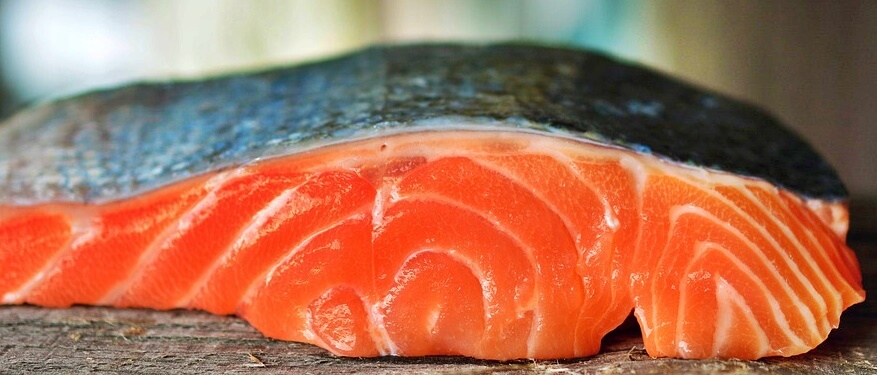
Look for clear eyes, red gills, firm flesh that springs back under a finger, and a clean smell of the sea. Cloudy eyes, brown gills and any hint of ammonia mean it has been out too long.
Frozen works and changes the texture slightly. Thaw it in the fridge overnight rather than at room temperature, and pat it dry before it goes anywhere near a pan.
Recipes from this group
- Pescado frito — the whole fried fish, scored and floured.
- Bagre en salsa — river catfish in tomato sauce.
- Ceviche de camarón — cooked, not cured.
- Coconut fish soup — from the Caribbean coast.
- Fish sancocho — the big one.
- Fish head soup — for what is left.
Colombian Fish and Seafood FAQ
Bocachico and mojarra from the rivers, and snapper and tuna from the coast. Bagre, the river catfish, is the other everyday one, usually cooked in a tomato sauce.
Holy Week. Semana Santa is the week when fish replaces meat in a great many households, and it is when the fish markets are busiest.
A freshwater fish, usually tilapia or a close relative, sold whole and almost always fried whole. It is the standard fish on a coastal plate with coconut rice and patacones.
A river fish from the Magdalena, full of fine bones and prized for its flavour. It is usually fried whole and eaten carefully.
Very little. A day or two in the coldest part of the fridge, and it is better bought on the day it is cooked. Freezing works but changes the texture.
Clear eyes rather than cloudy, red gills rather than brown, firm flesh that springs back, and a smell of the sea rather than of ammonia.
Shrimp above all, and then crab, langostinos, squid, octopus and lobster on the Caribbean side. Shrimp ceviche is the dish most people meet first.
Comments
No Comments