The everyday things. One of them is not sold in an American supermarket under any name you would recognise, and it is the one Colombian cooking uses most.
Panela
Missing from the original version of this page, which is a strange omission: panela is the sweetener of Colombian cooking, well ahead of white sugar.
It is unrefined whole cane sugar, boiled down and set in hard blocks or cones, dark brown and faintly smoky. It is the same product Mexico calls piloncillo and India calls jaggery, and any of those will do.
Its main use is a drink. Aguapanela is panela dissolved in hot water, taken with lime when someone has a cold and with cheese in it at breakfast, and it is drunk more widely than tea. It also sweetens desserts, glazes meat and goes into beans.
To use it you have to break it up, which is genuinely hard work: a serrated knife, or dissolve the block whole in hot water. Dark brown sugar substitutes at a pinch and is not the same.
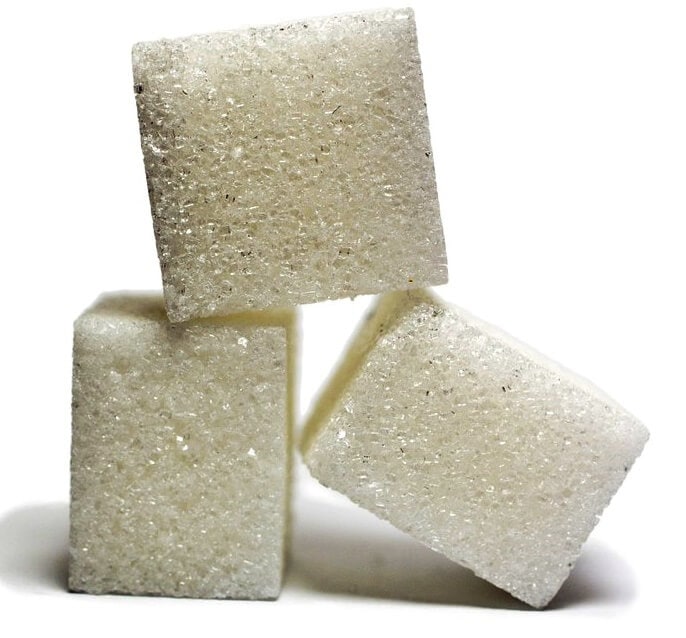
Sugar (azúcar)
White and brown, used in baking and to sweeten coffee. Colombian juices and desserts are sweeter than their American equivalents as a rule, so taste before you add all of it.
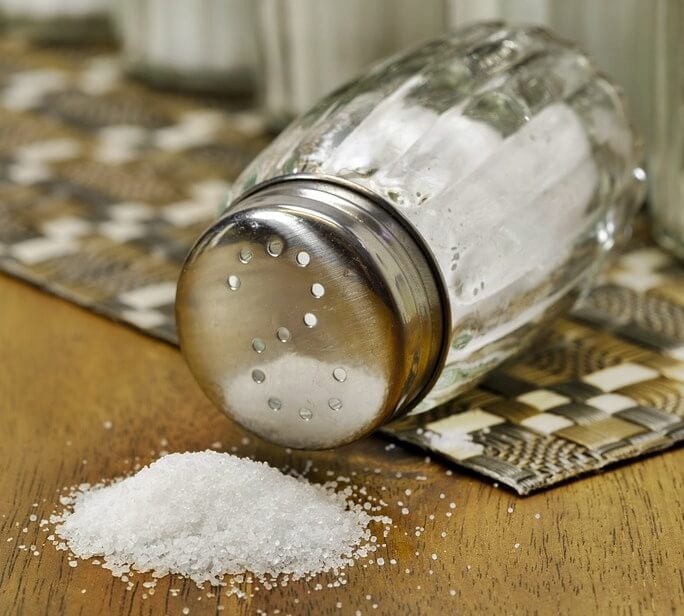
Salt (sal)
Ordinary fine table salt, not flaky sea salt. This matters more than it sounds: a teaspoon of table salt is considerably saltier than a teaspoon of flakes, so if you cook a Colombian recipe with Maldon by volume you will under-salt it.
Eggs (huevos)
Eaten at breakfast most days, usually scrambled with tomato and onion or fried on top of an arepa.
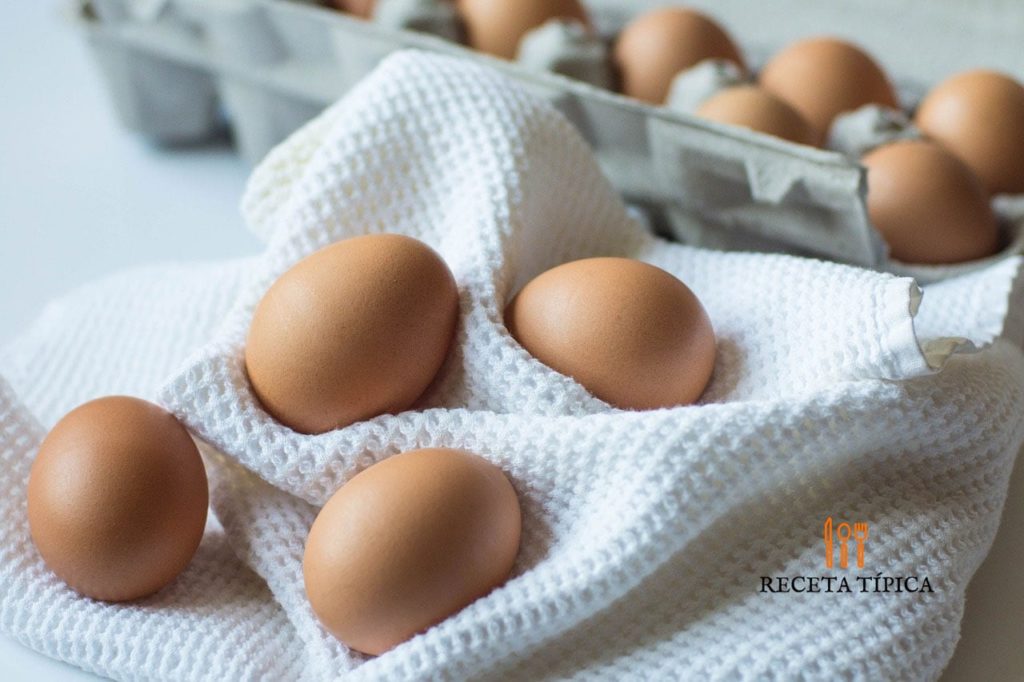
Colombian eggs are commonly sold unrefrigerated, as in most of the world outside the United States, because they are not washed. American eggs are washed and must stay in the fridge. This changes nothing about the cooking.
On this site: egg stuffed arepa, boiled eggs, egg and potato salad, deviled eggs with tuna.
Pasta (pastas)
Not traditional, but thoroughly absorbed. Pasta soup is standard household food and macaroni and cheese turns up at children's lunches. Colombian pasta is cooked softer than Italians would allow.

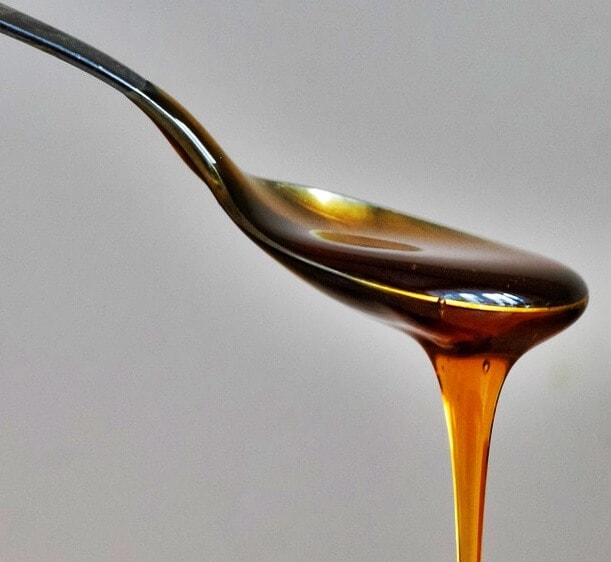
Honey (miel)
Used for sweetening drinks and in some marinades, though panela does most of the work honey might do elsewhere.
Colombian Kitchen Basics FAQ
Unrefined whole cane sugar, boiled down and set into hard dark blocks, faintly smoky. It is the same product sold as piloncillo in Mexican shops and as jaggery in Indian ones, and either substitutes exactly. Dark brown sugar works at a pinch but lacks the depth.
With a serrated knife and some patience, or by dissolving the whole block in hot water if the recipe is a drink or a syrup. Some people microwave it briefly to soften it first. It is genuinely hard, so buy the granulated version if your shop has it.
Panela dissolved in water, drunk hot or cold. Hot with lime when someone has a cold, hot with a chunk of fresh cheese in it at breakfast, cold with lime as a everyday drink. It is more widely drunk in Colombia than tea.
Yes, by volume. Colombian recipes assume fine table salt, and a teaspoon of that is considerably saltier than a teaspoon of flaky sea salt, which has more air in it. If you cook with Maldon and follow the measurements literally, the dish will come out under-seasoned.
Because they are not washed, so the protective cuticle on the shell stays intact. American eggs are washed, which removes it, and they have to be refrigerated as a result. It makes no difference to how they cook.
Comments
No Comments