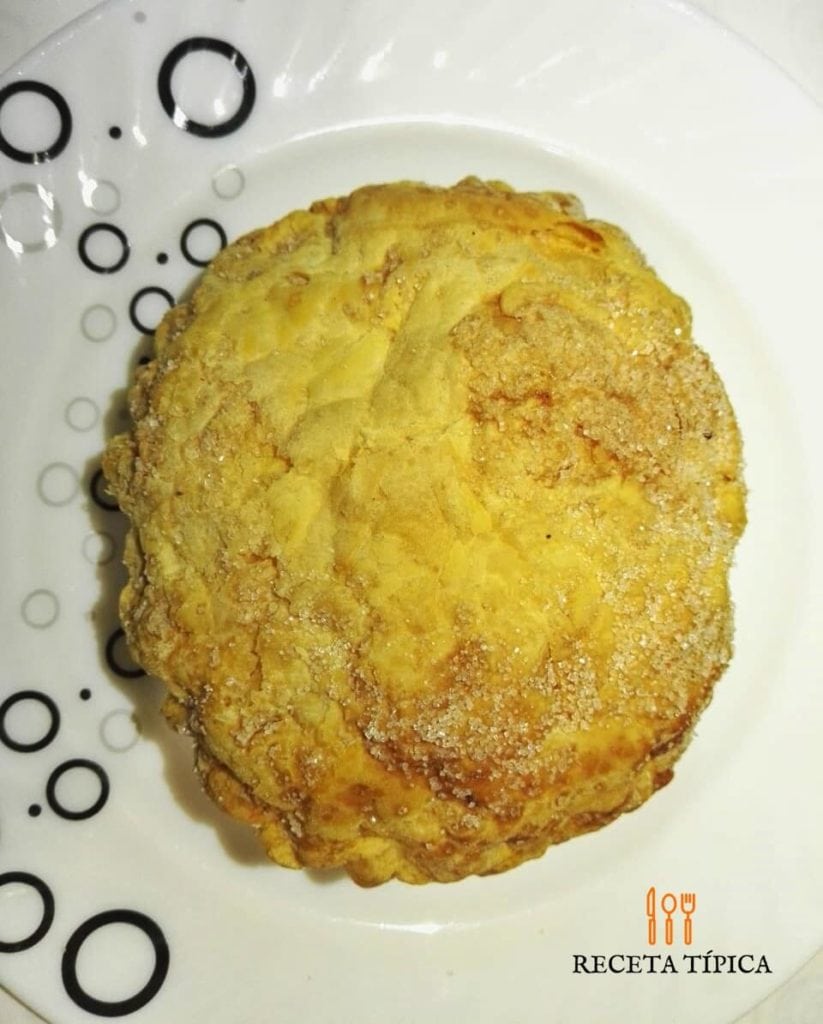
Dive into the exquisite and traditional taste of Colombian pastry with the Gloria Cake. This charming sweet treat, originating from Antioquia, offers a fascinating blend of flavors and textures that will make your taste buds dance with joy. The Gloria Cake masterfully combines crispy puff pastry with a deliciously soft and melted filling of guava paste (bocadillo) and cheese, achieving a perfect balance between sweet and savory. And as if that weren't enough, an optional brush of dulce de leche adds an extra touch of indulgence, making this cake a true jewel of Colombian pastry.
The technique worth learning here is the puff pastry, and it transfers: the same folding and chilling makes the pastelitos and the hojaldras sold at every Colombian bakery. Keep the butter cold and the layers stay separate; let it warm and you get one thick layer instead of many thin ones. That single rule is most of what separates a good gloria from a heavy one.
The Gloria Cake is characterized by its puff pastry that contains guava paste, commonly known as bocadillo, and sometimes cheese is also added, which is typically sprinkled with granulated sugar.

Plate with Gloria Cake It's a very popular dessert in Colombia, much loved by its inhabitants and found in most city bakeries, and even better, throughout the country. A cake you can enjoy any time of the year, at any moment, and anywhere.
Over time, it has become one of my favorites. The combination of bocadillo with cheese is truly an irresistible flavor, and if you dare to make and taste it, I'm sure it will soon become one of your favorite cakes too.
Years ago, on a visit to Medellín, we entered a coffee shop. I ordered an iced Milo, and I remember pointing at a sweet treat without even knowing its name. When I tasted it, I was enchanted. Words truly can't describe the sensation this Gloria Cake imparts. From that moment, I felt the need to learn how to make this delicious cake. Months later, I dared to make it, and I have no regrets.
So, if you're a fan of bocadillo or cheese, it's time to try the delicious Gloria Cake. It's really worth making this simple and easy recipe with such an amazing result. Go ahead and make it at home, and if you like, you can replace the bocadillo with dulce de leche, which also tastes wonderful. The choice is yours. Let's cook.
How do I achieve perfect puff pastry for the Gloria Cake?
The secret to getting the perfect puff pastry lies in handling the dough correctly. Keep it cold and don't overwork it, to avoid it getting warm and losing its defined layers. When rolling it out, use just enough flour to prevent sticking but not so much that it dries out the dough. The dough should be thin but not so thin that it breaks when adding the filling.
What type of cheese is recommended for the filling?
While this recipe uses mozzarella, you can experiment with different cheeses. However, it's recommended to use a cheese that melts well, like campesino cheese or double cream cheese. If you prefer a sharper taste, you can try costeño cheese.
Can I prepare the Cakes in advance?
Absolutely! Gloria Cakes are excellent to prepare ahead of time. You can assemble them and keep them in the fridge until you're ready to bake. Ensure they are covered to prevent drying out. If you need to store them for a longer period, you can also freeze them before baking and then bake them straight from frozen, adding a few extra minutes to the baking time.
How can I ensure the filling doesn't leak during baking?
To prevent the filling from leaking, it's crucial to seal the edges of the Gloria Cakes properly. After placing the second dough circle over the filling, press the edges firmly with your fingers or a fork. Also, ensure not to overfill the cakes, as this can also cause leaks.
How do I achieve a uniform sugar coating on my Gloria Cakes?
For a uniform sugar coating, sprinkle the sugar over the cakes as soon as you take them out of the oven. The residual heat will make the sugar stick to the surface, creating a sweet and crunchy coating.
Tips and common mistakes
- Be sure not to overfill the cakes. This can cause them to break during baking, leading to the filling escaping.
- If you're going to freeze the cakes, do it before baking. When thawing, bake them directly from frozen to prevent the dough from becoming sticky.
- It's essential to let the cakes cool a bit after baking before serving. This will allow the filling to set and prevent burns.
Recommendations for similar recipes
- Bocadillo and Cheese Empanadas: They share similar ingredients and are also a delightful sweet and savory snack.
- Almojábanas: This Colombian bread roll also uses cheese in its recipe, offering a similar taste but with a different texture.
- Colombian Buñuelos: Like the Gloria Cake, these are delicious snacks that combine the taste of cheese with a crispy exterior.
- Piononos — the other arequipe-filled sponge.
I recommend these recipes because they are traditional in Colombian cuisine, just like the Gloria Cake, and will allow you to explore different ways to enjoy similar ingredient combinations. These recipes will give you more options to prepare delicious meals and snacks for any occasion.
Glorias FAQ
Small Colombian bakery pastries: two rounds of puff pastry sealed around guava paste and white cheese, baked until golden and dusted with sugar. They are sold individually in panaderías all over Colombia and eaten with coffee, not sliced like a cake.
It is one of the defining pairings of Colombian baking, the same logic as guava paste with queso fresco eaten on its own. The cheese is mild and slightly salty, the guava is dense and very sweet, and each one keeps the other from being too much.
Mozzarella is what this recipe uses and it melts cleanly without leaking. Queso fresco or a mild white cheese also work and are closer to the Colombian original. Avoid anything strongly flavoured or very salty: it overwhelms the guava.
Same family, different shape. Sweet chicharrón is a single folded strip with cuts along the edge so it resembles a chicharrón. Glorias are two rounds sealed together into a filled disc, and they usually include cheese, which the chicharrón version does not.
The seal failed. Brush the edges with egg before pressing them, which acts as glue, and press firmly all the way round with your fingers or a fork. Keeping the filling to a thin slice of each also helps: overfilled pastries force themselves open as they puff.
You can assemble them and refrigerate for a few hours before baking, which actually helps the pastry hold its shape. Once baked they are best the same day: the pastry softens overnight, though a few minutes in a hot oven brings it back.
📖 Recipe

Ingredients
- 1 package puff pastry (about 1 lb / 450 g, thawed if frozen)
- Guava paste (bocadillo), sliced thin, to taste (sold as guava paste in US Latin aisles)
- Mozzarella cheese, sliced thin, to taste (queso fresco is closer to the Colombian original)
- 4 ounces arequipe (dulce de leche), optional (about 115 g)
- 1 egg, beaten (for sealing and glazing)
- Granulated sugar, for sprinkling
Instructions
- Preheat the oven to 400 °F (200 °C).
- Flour a flat surface and lay the puff pastry on it.
- Flour the top of the pastry and roll it out thin.
- Using a cookie cutter or any circular object, cut out 20 to 24 circles, and brush the edges of each one with the beaten egg. The egg is what seals them.
- In the centre of half the circles, place a thin slice of guava paste, a thin slice of cheese and, if using, half a tablespoon of arequipe. Keep the filling thin: overfilled pastries force themselves open in the oven.
- Place a second circle on top of each to enclose the filling.
- Seal the edges by pressing firmly all the way round with your fingers or a fork. Repeat with the rest.
- Place them on a tray lined with parchment paper, leaving space between them so they can puff.
- Bake for about 20 minutes, until puffed and golden.
- Take them out and sprinkle with granulated sugar while they are still hot, so it sticks.
- Let them cool slightly and serve warm or at room temperature. The filling is very hot straight from the oven.
Comments
No Comments