
Four things account for nearly all the pulses in a Colombian kitchen: beans, lentils, peas and chickpeas. Beans are in a different league from the other three, and the bean itself is a specific one that Americans can buy under a different name.
Beans (fríjoles)
If you eat one Colombian dish with a pulse in it, it will be this. Beans are the centre of the bandeja paisa and a Sunday staple across Antioquia and the coffee region, cooked in a pot that stays on the stove most of the morning.

The variety that matters is the cargamanto, mottled red and cream, grown in Antioquia. In an American supermarket the same bean is sold as a cranberry bean or, in Italian delis, as borlotti. They are the same thing and they behave identically. Pinto beans are the usual fallback and they work, though they cook softer and taste plainer.
Two things distinguish the Colombian pot from a Mexican or American one. Pork goes in, usually trotter or hock, and so does ripe plantain, chopped small, which dissolves during the long cooking and leaves a faint sweetness that is very hard to place if you do not know it is there.
On this site: traditional Colombian beans, beans casserole, ranchero beans, white bean soup, green beans.
Lentils (lentejas)
Brown lentils, the flat disc about half a centimetre across. Colombia does not use the red or split kind, which collapse into purée, because the point here is that the lentils hold their shape.
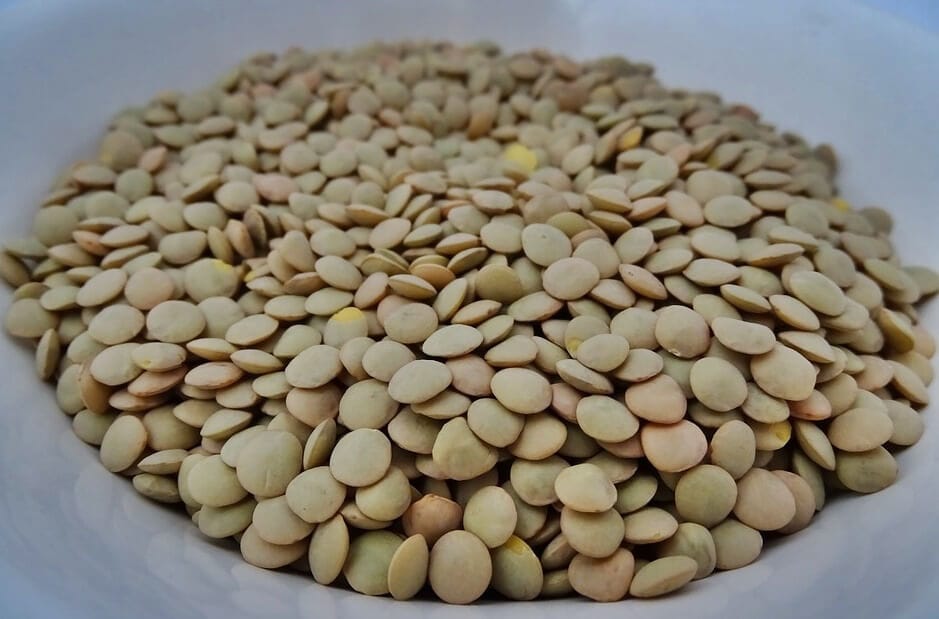
They are cooked as a stew rather than a soup, thickened with hogao and often with potato and carrot in it, and served over rice. This is weekday food, cheap and quick, and it is one of the few Colombian dishes that is vegetarian without anyone having planned it that way.
They need no soaking, which is why they turn up on a Tuesday and beans turn up on a Sunday.
On this site: stewed lentils, lentil soup, lentil burgers.
Peas (arveja, or alverja)
Called arveja in writing and alverja in speech, and both are correct depending on who you ask. Sold three ways, and recipes are not always clear about which one they mean.

- Fresh or frozen green peas, for rice, salads and as colour in a stew.
- Dried whole peas, soaked overnight, for a thick soup.
- Split dried peas, which break down completely and are what makes the classic pea soup thick without any flour in it.
If a recipe asks for arveja and gives a soaking time, it means the dried kind. If it goes in during the last five minutes, it means the green ones.
Chickpeas (garbanzos)
The least Colombian of the four. They arrived with Spanish cooking and stayed on the fringes rather than in the middle.
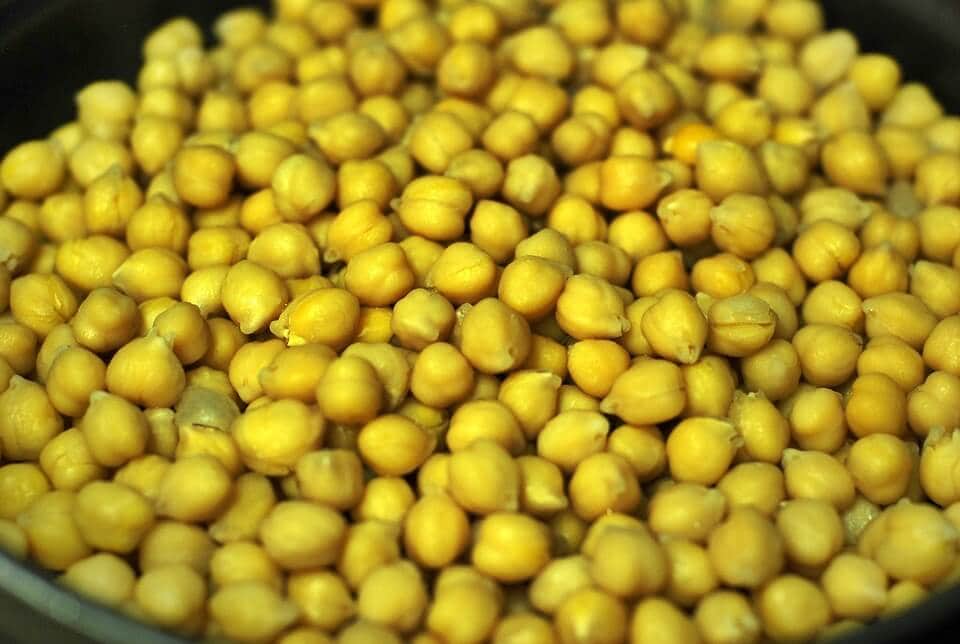
Where they do appear it is usually in something slow: braised with chicken, or in the tripe stew that is one of the country's more demanding dishes. Tinned chickpeas are entirely normal and nobody soaks them from dry unless they are cooking a large pot.
On this site: chicken with chickpeas, chickpeas with tripe.
Buying them in the United States
Everything here is in a normal supermarket. The only one worth a second look is the bean: ask for cranberry beans or borlotti rather than looking for the word cargamanto, which you will not find outside a Colombian grocery.
Dried is cheaper and better for beans, where the cooking liquid becomes the sauce and a tin gives you none of it. For chickpeas the tin is fine. For lentils it makes no difference, since they cook in twenty minutes either way.
Related pages: Colombian vegetables, tubers, cereals, meats.
Post original en Español
Colombian Pulses FAQ
Cargamanto beans, mottled red and cream, grown in Antioquia. In the United States the same bean is sold as a cranberry bean, or as borlotti in Italian delis. Pinto beans are an acceptable substitute, though they cook softer and taste plainer.
Ripe plantain chopped small goes into the pot and dissolves over the long cooking, leaving a faint sweetness behind. It is one of the things that makes Colombian beans taste different from Mexican or American ones, and it is almost impossible to identify if you do not know it is there.
None. Arveja is the written form and alverja is how most people say it. Both mean pea, and both turn up in recipes.
Brown lentils, the flat discs. Colombian recipes want lentils that hold their shape in a stew, so red or split lentils are wrong here: they collapse into purée. Brown lentils need no soaking and cook in about twenty minutes.
For beans, dried is worth the trouble, because the cooking liquid thickens and becomes the sauce, and a tin gives you none of that. For chickpeas a tin is perfectly normal in Colombia too. For lentils it makes no difference.
No. Colombian cooking in general is not hot, and beans are seasoned with scallion, tomato, garlic and cumin rather than chilli. Ají is served separately at the table for those who want it.
Comments
No Comments