
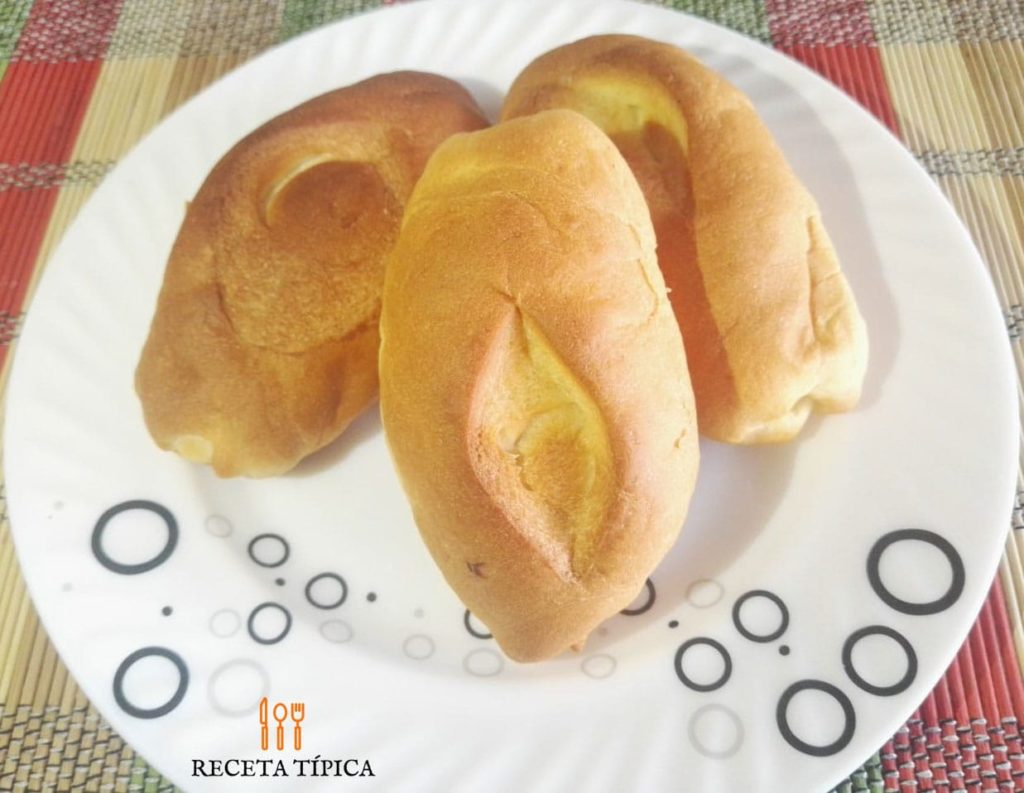
Seven soft rolls from two and a quarter cups of flour, milk and instant yeast, rolled up and baked, with a piece of mozzarella inside if you want it. Most of the two hours is the dough rising.
Hand-hot, not hot
The second step heats the milk, water and butter together and pours them into the flour, and the temperature is the one thing that can end the recipe before it starts.
Yeast is alive. It works fastest around 35°C and dies somewhere above 50°C, which is well below simmering. Liquid heated until it steams will kill the yeast on contact, and the only sign is dough that sits there for two hours doing nothing.
The test is a finger. If you can hold it in the liquid comfortably, it is right. If it makes you pull back, let it cool.
Two rises, and the second is the one
Thirty minutes after kneading, then sixty more after the rolls are shaped.
The first rise is about the dough itself: the gluten relaxes and the yeast starts working, which makes the dough easier to roll out and shape. The second is what makes the bread light, because that is the gas that is trapped when the rolls hit the oven.
Sixty minutes is a guide. What you are looking for is rolls that have visibly doubled and spring back slowly rather than immediately when pressed. A cold kitchen can take half as long again.
Rolling and sealing
The seventh step was hard to follow in the original. What it means is this: flatten the ball of dough thin with a rolling pin, then roll it up tightly from one edge, like a swiss roll, and pinch the seam closed.
If you want cheese inside, the piece goes on the flattened dough before you roll it, not after. Then the seam has to be sealed properly, because melted mozzarella finds any gap and runs out onto the tray, where it burns.
Put them seam side down on the sheet and the weight of the roll helps hold it shut.
Two hours, but not two hours of work
The card used to say a hundred minutes of preparation, which made this look like a long job. It is not.
The actual work is about twenty minutes: mixing, eight minutes of kneading, and a few minutes shaping. Everything else is the dough sitting somewhere warm doing its own thing, ninety minutes across the two rises, plus twenty in the oven.
It is a recipe to start and then walk away from, twice.
More baking
- Filled croissants — laminated, and longer.
- Cheese arepas — no yeast, no oven.
- Colombian carrot cake — the sweet bake.
- Colombian coffee — what they go with.
- Baguette — the long one.
Homemade Bread FAQ
Hand-hot and no more. Yeast dies above about 50°C, so milk and butter heated until they steam will kill it and the dough will never rise. If you can hold a finger in it comfortably, it is right.
It goes from rough and sticky to smooth and elastic, and it springs back slowly when you press it with a finger. About 8 minutes by hand.
The first, 30 minutes, develops the dough. The second, after shaping, is what makes the rolls light. Skipping the second gives dense bread however well you kneaded.
Until the rolls have visibly doubled, which is about 60 minutes in a warm kitchen and longer in a cold one. Judge it by eye, not by the clock.
Yes. A packet of instant yeast is about 7 grams, which is roughly 20 grams of fresh yeast, dissolved in the warm liquid rather than mixed with the flour.
Colour and shine. Brushed on just before baking, it is what gives the rolls their glazed brown top rather than a pale matte one.
Yes. Ham, guava paste or nothing at all. Seal the seam properly whatever you use, or the filling escapes and burns on the tray.
📖 Recipe

Ingredients
- 2 ¼ cups flour (about 280 g)
- 2 tablespoons sugar
- 1 packet of instant yeast (about 7 g, two and a quarter teaspoons)
- ½ teaspoon salt
- ½ cup water
- 2 tablespoons milk
- 2 tablespoons butter
- Mozzarella cheese (optional, for filling)
- 1 beaten egg (for glazing)
Notas
Instructions
- In a bowl, mix the flour, the yeast, the sugar and the salt.
- Warm the milk, the water and the butter together until they are hand-hot, not hot, and pour them into the flour. Mix well.
- On a lightly floured surface, knead for about 8 minutes, until the dough is smooth and elastic and springs back when you press it.
- Cover it and let it rest for 30 minutes.
- Divide the dough into 7 equal pieces and roll them into balls. Work one at a time and keep the rest covered with plastic so they do not dry out.
- Flatten the piece with a rolling pin until it is thin.
- Roll it up tightly from one edge, pressing the seam to seal it. If you want cheese inside, lay a piece on the flattened dough before you roll it.
- Put the rolls on a baking sheet, cover them and leave them somewhere warm until they have doubled in size, about 60 minutes.
- Brush them with the beaten egg and bake in a preheated oven at 375°F (190°C) for about 20 minutes, until golden.
- Take them out and brush them with melted butter if you like. Serve hot.
Comments
No Comments