
The animals are the same ones you know. The cuts are not, and neither is the doneness. Two things worth knowing before you shop for a Colombian recipe.
The cuts do not translate
Colombian butchery divides the animal differently from American butchery, so a recipe asking for sobrebarriga or punta de anca sends you to the counter with a word your butcher has never heard. The nearest equivalents:
- Sobrebarriga is flank, the long flat cut from the belly. It is braised for hours until it gives way, never cooked quickly. Brisket also works.
- Punta de anca is the top sirloin cap, sold in Brazilian butchers as picanha. Fat cap on, grilled whole.
- Chicharrón is pork belly with the skin on, cut into thick strips and fried until the skin blisters. It is not the bagged pork rinds sold under the same name in American shops, which is a different product entirely.
- Costilla is short rib, for soup rather than for barbecue.
Beef (carne de res)
The most eaten meat in the country, and usually cooked well done. Colombian beef is grass fed and leaner than American grain-fed beef, which is part of why: a rare steak of it is chewy rather than tender. If you are cooking American beef to a Colombian recipe, take it off earlier than the recipe says.
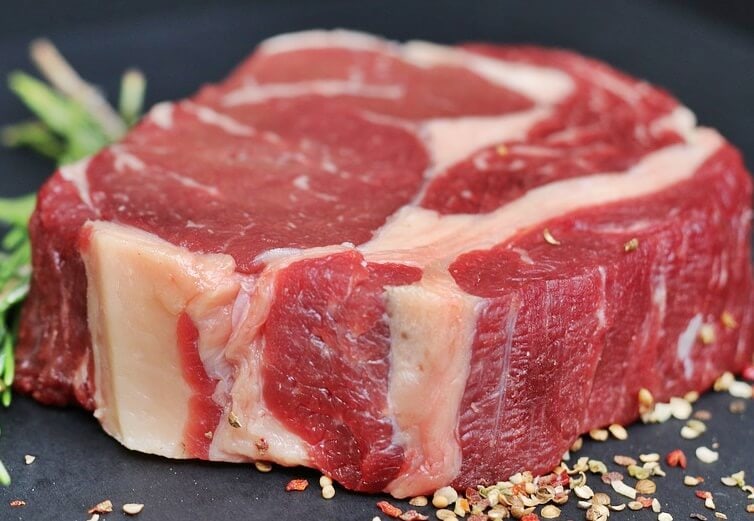
On this site: grilled beef, beef stew, ground beef and potatoes, beef rib broth, beef sancocho, roast beef in tomato sauce.
Pork (cerdo)
Central to Antioquian cooking and to the bandeja paisa, where it appears twice on the same plate: as chicharrón and as ground meat.

On this site: roast pork leg, roasted ribs, pork skewers, tamales, fried pork rinds, sweet chicharrón.
Chicken (pollo)
The everyday meat, and the one that carries the largest number of recipes. Colombian chicken dishes lean on the same base as everything else: onion, tomato, garlic and cumin, cooked down before the bird goes in.
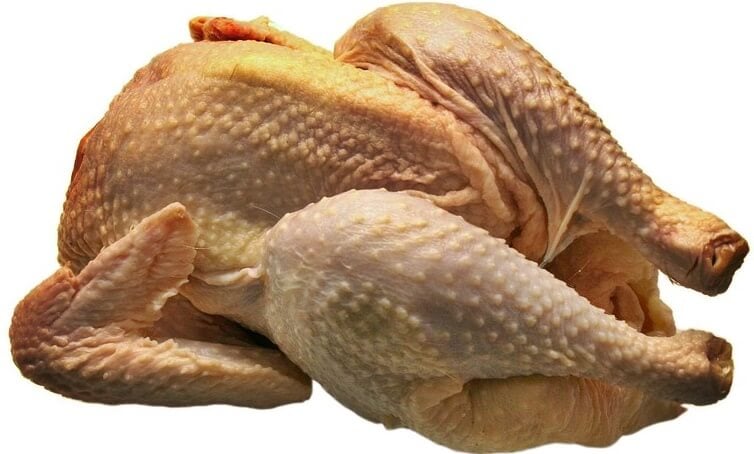
On this site: roast chicken, chicken stew, chicken sancocho, consommé, chicken in mushroom sauce, breaded chicken.
Turkey (pavo)
Almost entirely a December bird. Turkey appears at Christmas and New Year and then disappears from the table for another eleven months, which is why there is no everyday Colombian turkey cooking to speak of.

How it is seasoned
Very little goes on the meat itself. Salt, pepper, cumin and sometimes garlic, and that is usually the whole marinade. The flavour comes from what the meat is cooked in or served with: hogao on top, ají on the side for anyone who wants heat.
Colombian food is not spicy. This surprises people who expect it to resemble Mexican cooking. Chilli lives in a bowl on the table, not in the pot.
Colombian Meat FAQ
Flank, the long flat cut from the belly of the cow. In Colombia it is braised slowly for hours until it becomes tender, never cooked quickly. Brisket is an acceptable substitute and behaves much the same way under long cooking.
The top sirloin cap, the same cut Brazilian steakhouses sell as picanha. It is grilled whole with the fat cap left on, and sliced across the grain to serve.
No. Colombian chicharrón is pork belly with the skin on, cut into thick strips and fried until the skin blisters and the meat underneath stays soft. The bagged pork rinds sold in American shops under the same name are puffed skin only, with no meat, and cannot be substituted.
No. Colombian cooking is seasoned rather than hot, mostly with onion, tomato, garlic and cumin. Ají is served in a bowl at the table for those who want heat, and is added by the eater, not by the cook.
Colombian beef is largely grass fed and leaner than American grain-fed beef, and it is eaten well done. If you are following a Colombian recipe with supermarket American beef, take it off the heat earlier than stated or it will dry out.

Comments
No Comments