
What differentiates sancocho valluno from other Colombian sancochos?
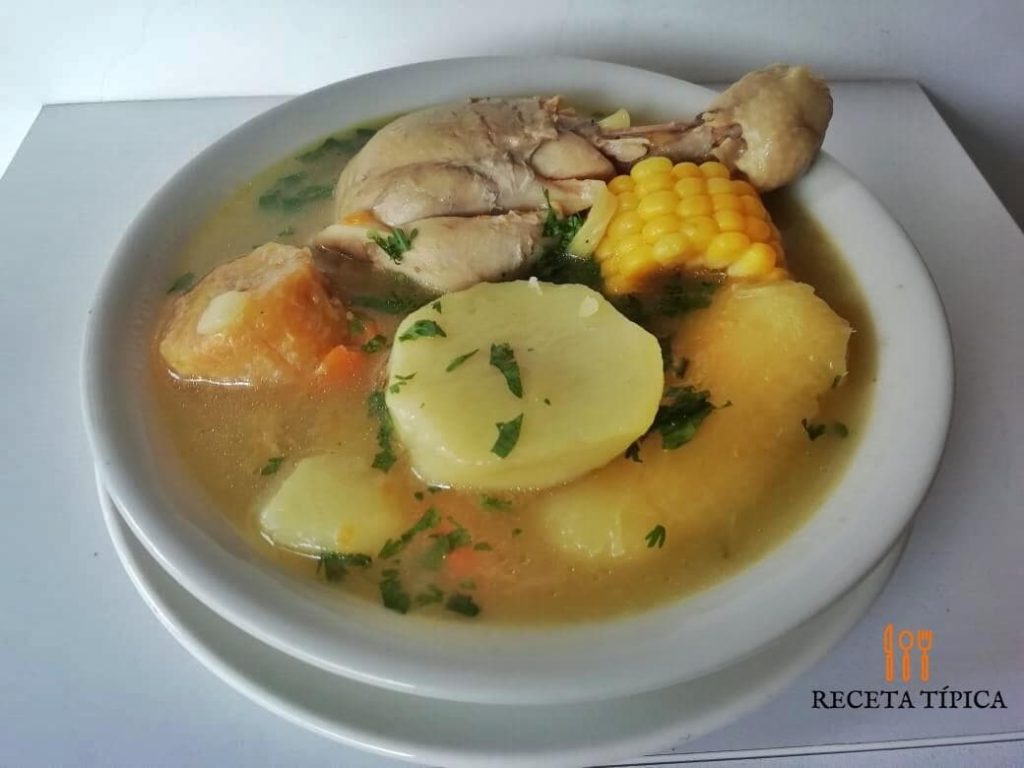
The sancocho is a very traditional and popular dish that we can find in Colombia; it prepared in almost every corner and places of our country. It is one of the most desirable, even by ourselves. You can make sancocho fish, beef, chicken, pork, but the sancocho valluno has its particular stamp, and in this dish, its traditional meat is a hen.
It is for this reason that it is known as sancocho valluno or sancocho de gallina, which originates in the Cauca Valley region, and has become famous throughout the country.
I know this recipe quite well because my grandmother is from that area of the country, and for that reason, I see the recipe. Since I know her, I know that the favorite menu every Saturday is a tasty sancocho valluno, and very rarely changes this recipe for another.
What ingredients cannot be missing?
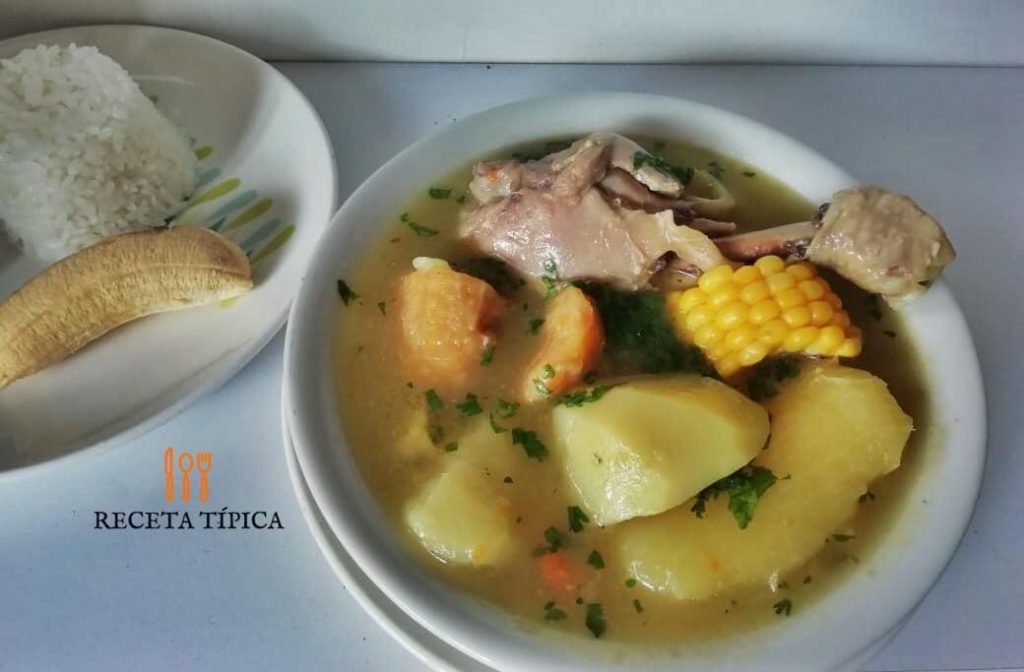
Undoubtedly, the sancocho is composed of crucial ingredients that characterize this dish, and that, of course, should not be missing, such as potatoes, cassava, and plantains, in this case, accompanied by the chicken.
Already depending on tastes, you add some good cobs, cilantro, arracacha, and other ingredients that make this sancocho a beautiful and delicious dish.
It is something we cannot miss and crave that we must remove, so I hope you will be encouraged to prepare this delicious walnut stew and tell us how it went. Let's cook.
How to make Sancocho Valluno? - Ingredients

Recipes recommended: Coconut fish soup or pasta soup.
Receta original en EspañolSancocho Valluno FAQ
More sancocho
- Mute santandereano — the eastern cousin.
The region and the bird. Valluno means from the Valle del Cauca, in south-western Colombia, and the classic version is made with chicken, or with hen for a deeper broth. Corn on the cob cut into rounds is characteristic, and it goes in whole pieces rather than as kernels.
Traditionally hen, which is older, tougher and makes a much richer broth, but needs considerably longer to cook. Chicken is what most people use now and is what this recipe assumes. If you find hen at a Latin butcher, allow at least double the cooking time.
They cook at very different speeds. Green plantain and cassava are dense and need a good while; potato falls apart if it goes in at the same time. Adding them in order is what leaves you with distinct pieces instead of a thickened purée.
Yes, and it cuts the time roughly in half. Cook the chicken with the aromatics first, then release the pressure and add the vegetables in the same order, since they still need staggering. The broth is slightly less developed than in a slow pot, but it is a fair trade.
White rice on the side, avocado and a wedge of lime, with the broth often served separately in a cup. In the Valle it is a whole meal and usually a weekend one: it is not a starter.
Trifásico means three proteins in one pot: beef, chicken and pork together. Sancocho valluno uses only chicken or hen. Same method, same vegetables, different weight: the trifásico is considerably heavier and is usually made for a crowd.
📖 Recipe
Ingredients
- 3 chicken pieces, bone-in (the bone is what gives the broth its body)
- 1 clove garlic, minced
- 5 cups water (about 1.2 liters)
- 1 corn on the cob, cut into three rounds
- 2 green plantains, peeled and cut into pieces (green, not ripe)
- 1 cassava, peeled and cut into pieces (frozen yuca works)
- 1 onion
- 2 scallions
- 3 potatoes, peeled and cut into pieces
- 1 tomato
- 1 teaspoon ground cumin
- Salt and pepper
- Fresh cilantro, chopped (the leaf, not the seed)
Notas
Instructions
- In a skillet with a little oil, sauté the chopped onion, diced tomato and minced garlic. Add the cumin and pepper and let it cook a few minutes, until the onion is soft and the mixture smells sweet.
- In a large pot, put the 5 cups of water and add the chicken pieces, then the onion mixture. Simmer until the chicken is nearly tender, about 45 minutes.
- Add the plantains, the corn and the cassava, and boil for 10 to 15 minutes more. Then add the potato and cook until everything is soft. Taste and adjust the salt.
- Stir in the finely chopped cilantro and serve straight away.
Comments
No Comments