
If you are cooking from a Colombian recipe and you have hit a word you do not recognise, this page is the translation. Most of what goes into Colombian food is sold in any American supermarket. The difficulty is almost never the vegetable, it is the name.
Below is what turns up in a Colombian kitchen, what each thing is called there, and what it actually gets used for.
The names that catch people out
Four of these cause more confusion than everything else combined, and two of them will ruin a dish if you get them wrong.
- Pimentón is a bell pepper, the whole fresh vegetable. It is not paprika, despite what a translation will tell you. A Colombian recipe asking for one pimentón wants one bell pepper, not a spoonful of red powder.
- Cebolla larga is a scallion or spring onion. Literally it means long onion, and machine translations render it that way, which means nothing in English.
- Cebolla de huevo or cebolla cabezona is an ordinary bulb onion. Egg onion and head onion are not things.
- Ahuyama is a squash, of the butternut and kabocha sort. Recipes translate it as pumpkin, but the orange thing carved at Halloween is watery and bland and is not what is meant.
- Habichuela is a green bean.
- Cilantro is what English calls cilantro. Translations often turn it into coriander, which in a British recipe means the dried seed, a completely different flavour.
There is also a set of vegetables with no English name at all, because they do not grow outside the Andes. Arracacha is a white root somewhere between a carrot and celeriac, and it goes into sancocho. Guascas is a herb, and it is the one ingredient that makes ajiaco taste like ajiaco. Cidra, also called guatila, is what the rest of the Americas calls chayote. Cubios, chuguas and ibias are small Andean tubers that show up in the cocido boyacense and almost nowhere else. In the United States you will find these frozen or in jars at a Latin grocery, if you find them at all.
Where most of them end up: the hogao
Before going through the list, it helps to know that a large share of Colombian cooking starts in the same place. Scallion and tomato, chopped small, cooked slowly in oil until they collapse into a sauce. That is hogao, and it goes onto beans, over rice, inside arepas, alongside almost anything fried.
Add garlic and onion and you have the guiso that begins most stews and soups. If you understand those two, you understand where three quarters of these vegetables are going.
The vegetables, one by one
Carrot (zanahoria)
The orange root everybody knows, and it turns up constantly: diced into soups, grated raw into salads, cooked with rice, and in cakes.
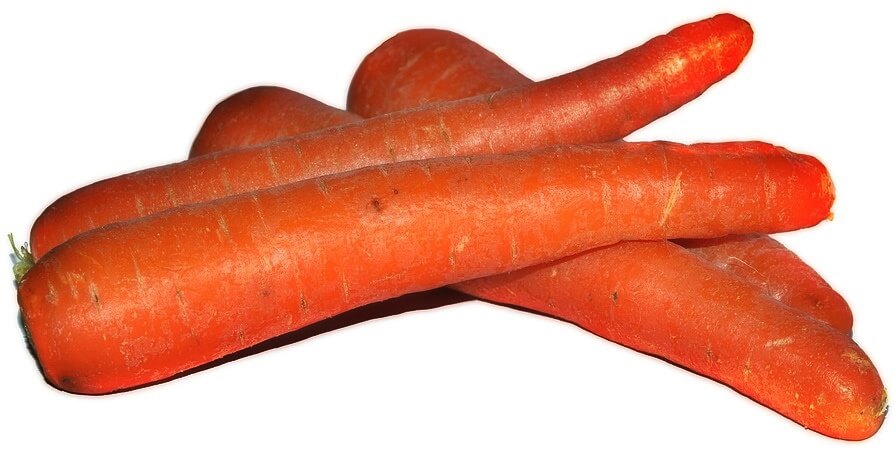
It is sweet enough that Colombian cooks use it to round off a soup that has come out too sharp. A whole carrot dropped into a pot of beans and fished out later is a common trick.
On this site: cream of carrot soup, carrot salad, rice with carrot.
Cucumber (pepino, or pepino cohombro)
Long, green, mild and mostly water. The word pepino on its own can also mean a couple of other things in Colombia, so recipes often say pepino cohombro to be clear.
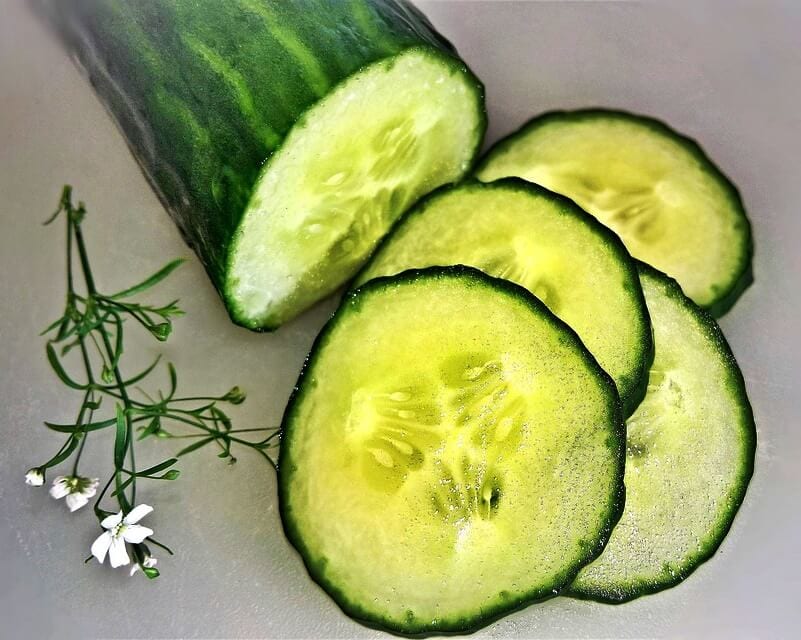
It goes into salads and, more often than an American would expect, into the blender: cucumber with lime and water is a standard household drink.
On this site: cucumber lemonade, pickled cucumbers.
Celery (apio)
Sold in stalks, used mainly for its smell rather than as a vegetable in its own right.

One or two stalks go into the pot for a sancocho or a broth and are usually left in. Colombian cooking uses less of it than French or American cooking does.
On this site: chicken and vegetable soup.
Spinach (espinaca)
The same spinach sold everywhere, and one of the few leafy greens that made it into the Colombian home kitchen at scale.
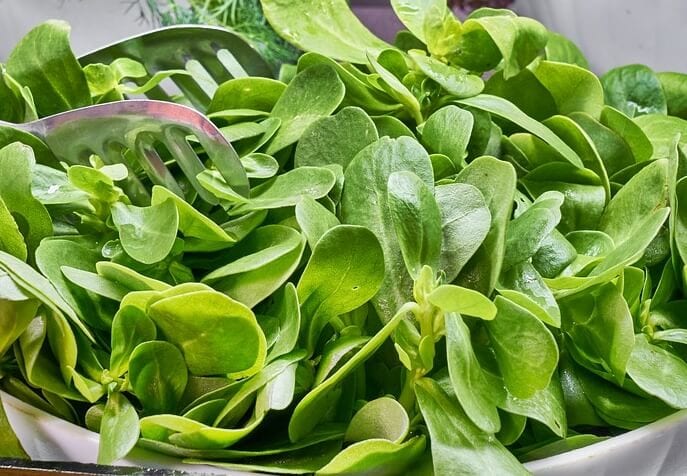
Mostly cooked rather than raw, wilted into cream sauces or folded into an omelette. It collapses to nothing, so buy far more than looks reasonable.
On this site: creamed spinach, spinach and egg tortilla, chicken in creamy spinach sauce.
Onion (cebolla, in two kinds)
This is the one worth reading twice. Colombia distinguishes between cebolla de huevo, the round bulb onion, and cebolla larga, the long green scallion. They are not interchangeable.
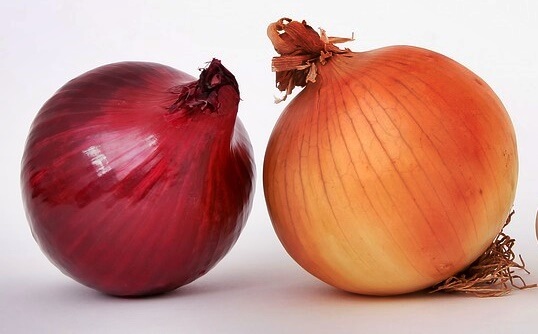
Scallion is the backbone of hogao and of most soups. Bulb onion goes into stews, sauces and anything roasted. When a recipe just says cebolla, the context tells you which: if it is finely chopped and fried with tomato, it is the long one.
On this site: scrambled eggs with tomato and onion.
Tomato (tomate)
Ordinary red tomatoes. Note that tomate de árbol, tree tomato or tamarillo, is a completely separate fruit used for juice, and translations mix the two up.

Half of all Colombian cooking begins with tomato in a pan. Peeled and grated for sauces, sliced raw into salads, stuffed and baked when someone is making an effort.
On this site: tomato sauce, tuna stuffed tomatoes, tree tomato juice.
Garlic (ajo)
Used in smaller quantities than in Mediterranean cooking. A Colombian stew might take two cloves where an Italian one takes six.

It goes in at the start with the onion, and it is often crushed to a paste rather than sliced. Jarred garlic paste is entirely normal in Colombian kitchens and no one apologises for it.
Eggplant (berenjena)
Present in Colombian markets but not a traditional part of the cuisine. It arrived with Mediterranean and Middle Eastern cooking and stayed.
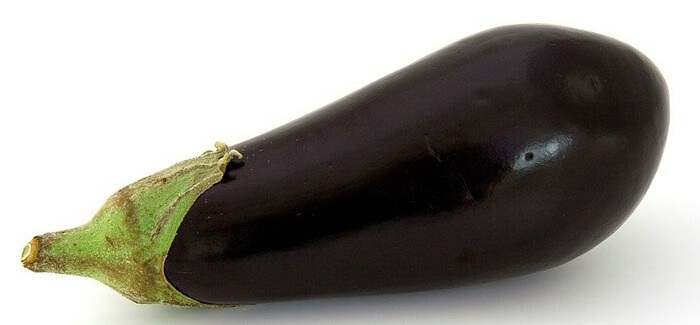
Where you meet it, it is grilled or baked rather than fried, usually in a dish that is not itself Colombian. Worth being honest about: this is not an ingredient you need in order to cook Colombian food.
Bell pepper (pimentón)
Red, green or yellow, and the single most mistranslated ingredient in Colombian recipes. Pimentón means the fresh vegetable. Paprika is pimentón en polvo, powdered, and that is a different thing entirely.

Cut into strips it goes into rice dishes and stews. It is the colour in a paella-style rice and it appears diced in the milder Caribbean cooking of the coast.
On this site: Colombian chop suey.
Broccoli (brócoli)
A relatively recent arrival that took hold quickly, especially in the cities.

Almost always boiled or steamed and served alongside, or dropped into a vegetable soup near the end. It is not part of the older repertoire, and you will not find it in a traditional sancocho.
On this site: chicken and vegetable soup.
Cauliflower (coliflor)
More established than broccoli, and treated more inventively.

It gets creamed into soup, battered and fried into fritters, baked under béchamel and cheese, and lately blitzed into rice. It absorbs whatever it is cooked with, which is why it works in all of those.
On this site: cauliflower cream soup, cauliflower fritters, cauliflower gratin, cauliflower rice.
Asparagus (espárragos)
Expensive, imported and largely confined to restaurants and special occasions.

Usually sold in jars rather than fresh. Like eggplant, it belongs to the international end of Colombian cooking rather than the traditional one.
Lettuce (lechuga)
Almost always the crisp iceberg type rather than the softer leaves.
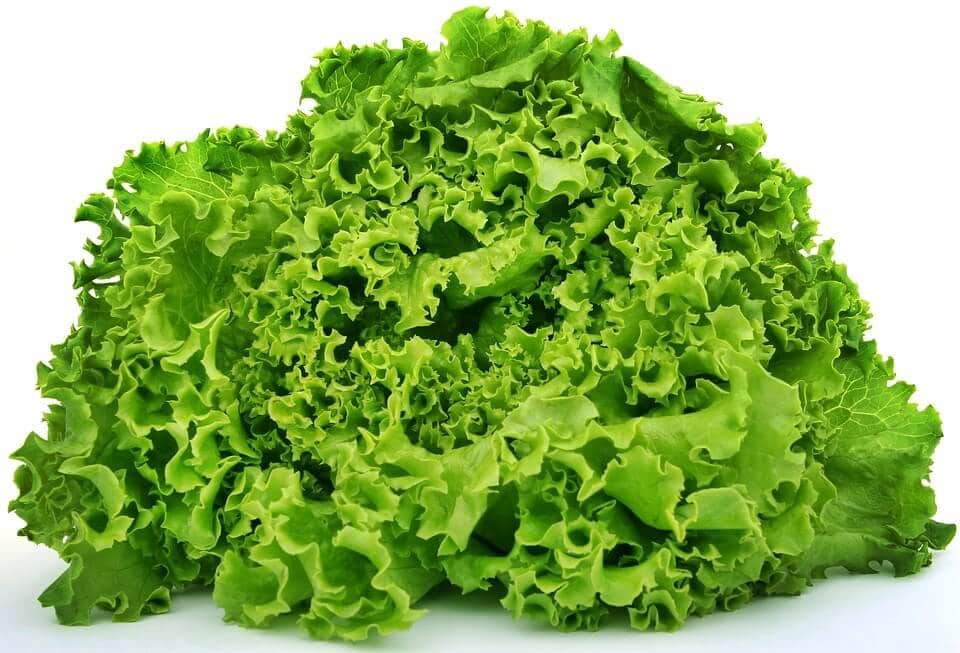
Its main job is to sit under everything else. A Colombian salad tends to be lettuce, tomato and onion with lime and salt, and the point is the crunch and the cold, not the leaf.
On this site: vegetable and chicken salad, avocado salad.
Squash (ahuyama)
Dense orange squash of the butternut and kabocha family. Recipes translate it as pumpkin, which sends people to the wrong vegetable: the carving pumpkin is watery and has almost no flavour.
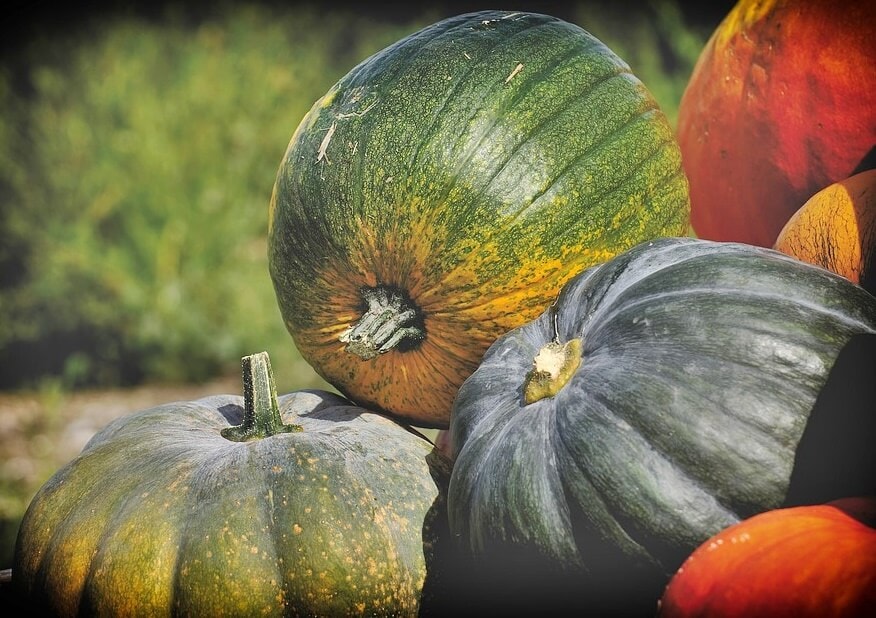
It is one of the genuinely Colombian entries on this list. It goes into soup, gets mashed as a side, and turns up in desserts and cakes. If you cannot find ahuyama, butternut squash is the right substitute.
On this site: creamy pumpkin soup, mashed pumpkin, pumpkin dessert, pumpkin cake.
Zucchini (calabacín)
The green summer squash, milder and far more watery than ahuyama despite the family resemblance.
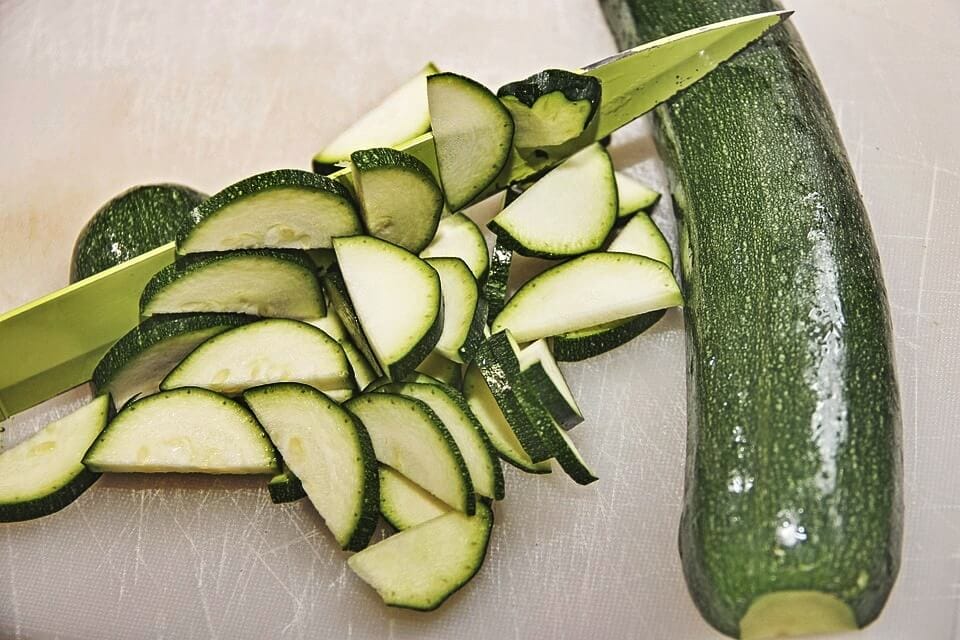
Sliced into soups and sautéed as a side. It releases a lot of liquid, so it goes in late rather than early, or the pot ends up thinner than intended.
Leek (puerro)
Mild, sweet and used the way celery is: for background rather than foreground.

It goes into broths and creamed soups. Note that this is not the same as cebolla larga, though both are long and green and translations sometimes swap them. Leek is thicker, paler and much milder.
Finding these in the United States
Everything above except arracacha, guascas and the Andean tubers is in any American supermarket under its English name. Nothing on this list needs a special trip.
For the ones that do not translate, a Latin American grocery is the place to look, and the Colombian section specifically. Guascas is sold dried in small packets and keeps for a year. Arracacha and cidra turn up frozen. If your city has no Latin grocery, guascas is the only one worth ordering online, because there is no substitute for it; for the rest, butternut squash and chayote will get you close enough.
Colombian Vegetables FAQ
No, and this one breaks recipes. In Colombia pimentón is the fresh bell pepper, the whole vegetable you slice. Paprika is pimentón en polvo, powdered. A translated recipe telling you to cut a paprika into strips means a bell pepper.
Ahuyama is a dense orange squash of the butternut and kabocha type. Recipes translate it as pumpkin, but the carving pumpkin sold for Halloween is watery and nearly flavourless and will not work. Butternut squash is the right substitute and is sold everywhere.
Cebolla larga is a scallion or spring onion, and cebolla de huevo, sometimes cebolla cabezona, is an ordinary round bulb onion. Scallion is the one that goes into hogao and most soups. Machine translations turn them into long onion and egg onion, neither of which exists in English.
The ones with no English name: arracacha, a white root between carrot and celeriac; guascas, the herb that defines ajiaco; cidra or guatila, which is chayote; and the Andean tubers cubios, chuguas and ibias. Ahuyama, yuca, plantain and green beans are widely used too, though none of them is exclusive to Colombia.
Nearly everything on this page is in a normal supermarket under its English name. For the rest, look in a Latin American grocery: guascas comes dried in small packets and keeps for about a year, and arracacha and cidra are usually in the freezer. Guascas is the only one with no substitute, so it is the one worth ordering online.
Scallion and tomato chopped small and cooked slowly in oil until they break down into a sauce. It is the foundation of an enormous amount of Colombian cooking, spooned over beans and rice and served alongside fried food. Add garlic and bulb onion and it becomes the guiso that starts most stews.
In American English yes, they are the same plant. The problem is that British recipes use coriander for the dried seed, which tastes nothing like the fresh leaf, and translation software picks the wrong one. When a Colombian recipe says cilantro it always means the fresh green leaves.
Comments
No Comments