
In Colombia, a "pionono" refers to a basic pastry dough made of equal volumes of flour, eggs, and sugar, forming a thin sheet of sponge cake. It is filled and rolled into a cylinder, which is then decorated for presentation enhancement. Based on this sponge cake, you can also make sweet, savory, and semi-sweet piononos.
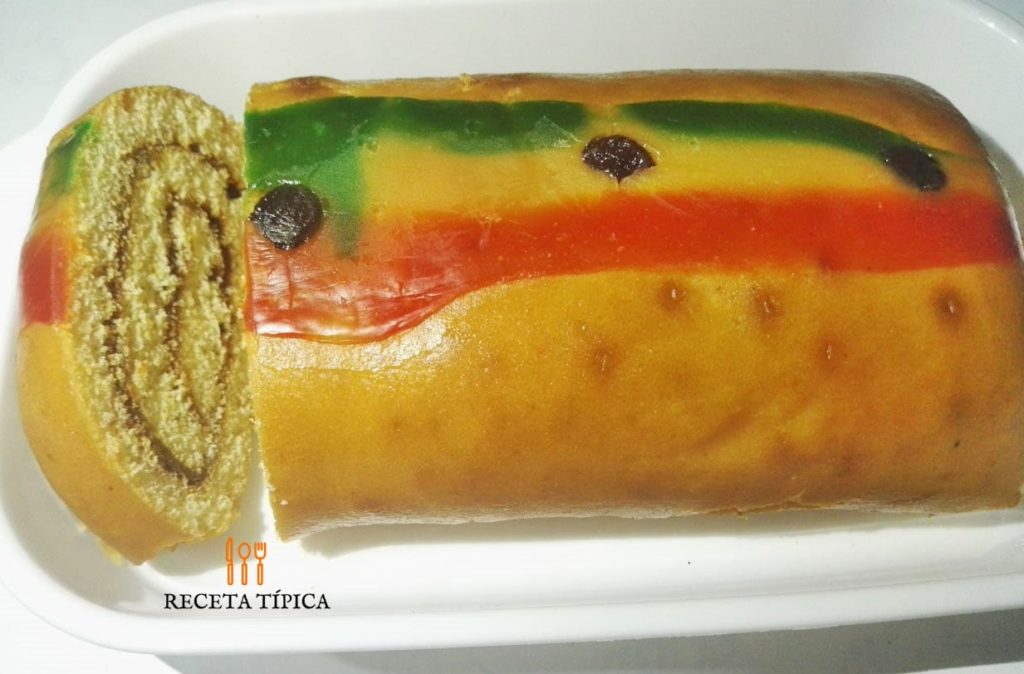
This small cake has a rather unique history; its origins are from Spain, traditionally made in Santa Fe. It was named by its creator, Ceferino, in honor of Pope Pius IX (Pio Nono in Italian pronunciation) for proclaiming the dogma of the Immaculate Conception.
After introducing this recipe to the market, its texture, taste, and aroma quickly became a hit, rapidly popularizing it amongst the populace. This led to the expansion of that family business which has been sustained for over 120 years, still holding onto the original recipe.
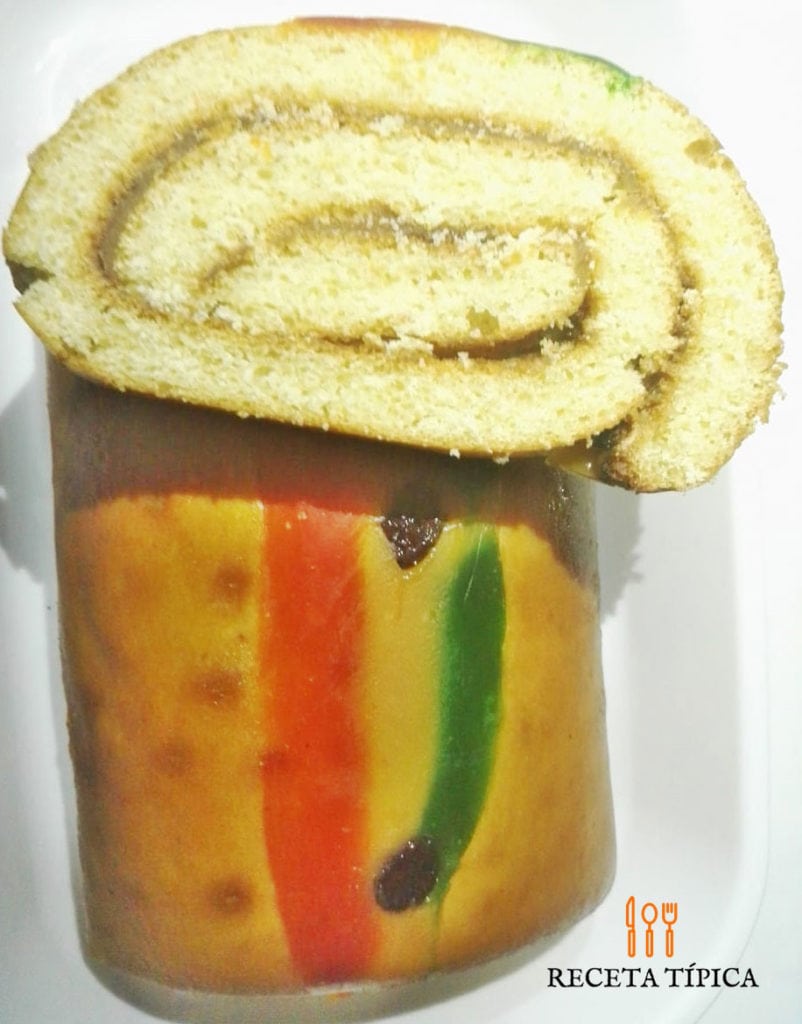
I've brought you this recipe thanks to my aunt, who had the opportunity to visit Granada, Spain a few months ago. There, she got to try this traditional dessert and absolutely loved it. She then embarked on a quest to learn its ingredients and secrets. If she couldn't stay there to enjoy these delightful piononos, at least she'd learn how to prepare them at home. And she did! Upon her return to Colombia, she made piononos for the whole family, and let me tell you, she was right - the recipe is absolutely delicious.
This inspired me to share the recipe, and I hope all of you are encouraged to try it at home. The only secret? Prepare it with lots of love and care.
Frequently Asked Questions
To achieve a fluffy and soft sponge for homemade piononos, it's crucial to adequately whisk the eggs, sugar, and honey for 7 minutes. This process incorporates air into the mix, resulting in a lighter sponge. Also, when adding flour, do it in two or three parts, gently folding with a spatula to retain the incorporated air.
To achieve the right syrup consistency, boil a mixture of 100g of sugar and 100g of water in a pot. Once boiling, remove from heat and set aside. This syrup will sufficiently moisten the sponge without oversaturating it.
When making the pastry cream, mix the eggs with water, and combine sugar with cornstarch until smooth. Heat the mixture on low, and once it starts to thicken, let it boil for a few seconds. Turn off the heat and let it rest. Ensure the pastry cream doesn't boil for too long, or it might curdle.
After soaking the sponge in syrup and spreading it with pastry cream, carefully roll up the sponge and cut into servings using a sharp knife with gentle motions. This prevents them from falling apart or losing shape.
After cutting the piononos into servings and placing a dollop of pastry cream on each, sprinkle sugar on the cream and use a kitchen torch to caramelize it. This will add a delightful crispy touch to the homemade piononos.
They share a name and little else. The Spanish pionono, from Santa Fe near Granada, is a small individual pastry. The Peruvian one is a sponge roll filled with manjar blanco. The Colombian version, also called brazo de reina, is a thin sponge soaked in syrup and rolled around pastry cream.
In Colombia, yes: both names refer to the same rolled sponge dessert. Brazo de reina is the more descriptive of the two, since the finished roll does look like an arm. You will see either name used depending on the region and the household.
Almost always because it cooled too much before rolling. A sponge rolls cleanly while it is still warm and flexible; once fully cold it sets and splits along the curve. The syrup helps, but it cannot rescue a sponge that has already gone stiff.
Yes, and it is easier that way. Make it up to two days ahead, press plastic wrap directly onto the surface so it does not form a skin, and refrigerate. Whisk it smooth before spreading: it firms up in the fridge and spreads badly straight from cold.
Arequipe (Colombian dulce de leche) is the most common alternative and needs no cooking. Whipped cream works but makes the roll harder to slice cleanly. Whatever you use, keep the layer thin: too much filling and the sponge cannot close around it.
Tips and tricks for perfecting your homemade piononos
- Use baking paper greased with butter to ease the handling of the sponge and prevent sticking.
- Allow the sponge to cool completely before soaking it in syrup and spreading with pastry cream to avoid tearing.
- If you don't own a kitchen torch, you can caramelize sugar using your oven's grill but keep a close eye to prevent burning.
Common mistakes when making homemade piononos and how to avoid them
- Not whisking the egg, sugar, and honey mixture enough can result in a dense, heavy sponge.
- Overheating the pastry cream can cause it to curdle or separate.
- Cutting piononos with a blunt knife or with abrupt motions can deform them.
Similar recipe recommendations
Guava Rolls: These delightful sponge cake rolls filled with guava share the sponge preparation and rolling technique with homemade piononos. They're a fantastic choice for those who love fruity and tropical flavors.
Coconut and Dulce de Leche Tart: This recipe uses ingredients similar to homemade piononos, like eggs, sugar, and flour, but incorporates shredded coconut and dulce de leche to craft a delicious tart. It's perfect for those seeking a variant with different yet equally delightful flavors.
Queen's Arm: Another rolled dessert akin to homemade piononos. It's a fluffy sponge filled with pastry cream or dulce de leche. You can use the same sponge base from the homemade piononos recipe and simply change the filling.
📖 Recipe

Ingredients
For the pastry cream
- 4 eggs
- 50 g sugar (about ¼ cup)
- 15 g cornstarch (about 2 tbsp)
- 90 g water (about 6 tbsp)
For the syrup
- 100 g sugar (about ½ cup)
- 100 g water (about 7 tbsp)
For the sponge
- 2 medium eggs (at room temperature: they whip to more volume)
- 40 g sugar (about 3 tbsp)
- ½ teaspoon honey (keeps the sponge flexible so it rolls without cracking)
- 40 g all-purpose flour (about ⅓ cup, sifted)
- Butter, for greasing the paper
Instructions
- For the pastry cream, whisk the eggs with the water, then stir in the sugar mixed with the cornstarch until there are no lumps at all. Lumps at this stage never disappear later.
- Heat the mixture slowly, stirring, until it thickens, then let it bubble for a few seconds so the cornstarch cooks out. Take it off the heat and set it aside to cool.
- For the syrup, combine the water and sugar in a pot and bring to a boil. Set aside to cool to room temperature.
- For the sponge, whisk the eggs, sugar and honey with a mixer for 7 minutes. It is ready when the mixture has tripled in volume and a drizzle from the beater sits on the surface for a couple of seconds before sinking.
- Add the flour in two or three parts, folding gently with a spatula. Stop as soon as it disappears: every extra stroke knocks out the air you just whipped in.
- Grease baking paper with butter and spread the batter over it in an even layer. Bake at 200 °C (392 °F) for 10 minutes, until the surface springs back when pressed lightly.
- Remove from the oven and let it cool, but only until it is warm to the touch, not cold. A warm sponge rolls; a cold one cracks.
- Brush the sponge with the syrup, then spread the pastry cream over it in a thin, even layer, leaving a clear border along one long edge.
- Roll it up from the long edge, using the paper to help you keep it tight, and cut into 10 slices with a clean, sharp knife.
Comments
No Comments