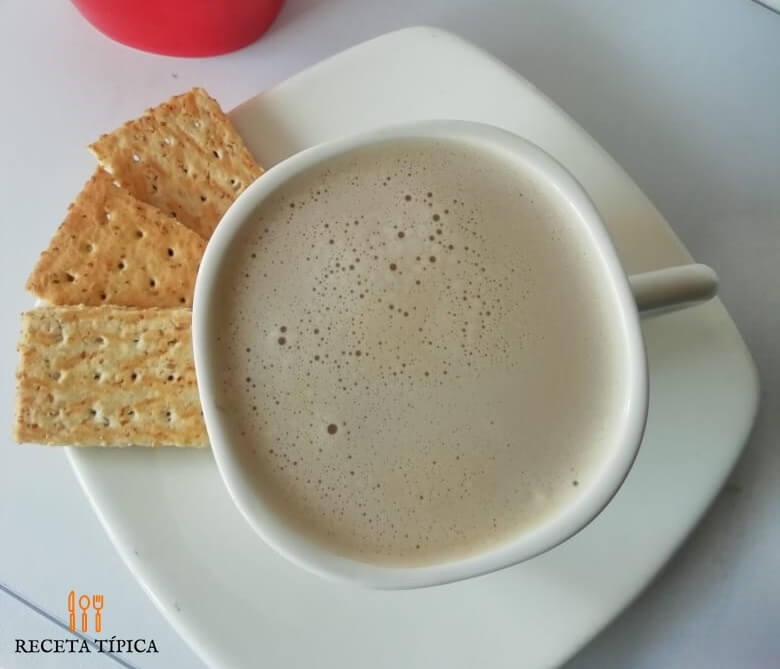
Cappuccino allows us to enjoy an extraordinary experience, and also taste one of the best drinks in the world, coffee. A drink that, in combination with milk, form one of the wonders worldwide, at least for me. And how not to delight with a cappuccino, if nothing else the texture in which milk comes milk is exciting and delicious.
Is Cappuccino taken with or without sugar?
If there is something real, it is that there is nothing better than to taste and enjoy a good coffee without sugar, it is just that many people have become accustomed to having it sweet because of the acidity or bitterness of coffee. But I tell you that good coffee enjoyed without sugar, and a good cappuccino coffee is the same.
Does coffee drink hot?
There is another interesting fact, and we are used to that when we are going to buy a hot drink and more if it has coffee, it must be boiling, slightly, boiling. Otherwise, we think it is a terrible service and coffee. It was cold.

I want to tell you that we are entirely wrong, when we talk about Cappuccino, we are talking about a warm drink, almost hot. Still, it is a temperature that any palate supports, and although it seems cold to many, that is the correct way to drink a cappuccino.
Which is the reason? The first is that when the coffee exposed to a very high temperature, it tends to burn. For that reason, it is the bitter or acidic taste, and the second is that for the milk to take the consistency we need, it cannot be at high temperature for these reasons a cappuccino coffee enjoyed warm and without sugar.
How to make Cappuccino?
So I hope you are encouraged to prepare this delicious drink at home and enjoy your coffee differently.
You can accompany this delicious coffee, with delightful sweet round bread or alfajores cookies.
Original recipe in SpanishCappuccino FAQ
Between 140 and 149 °F (60 to 65 °C), which is hot to the touch but not scalding. Past about 160 °F the milk proteins break down, the foam collapses and the milk takes on a cooked, flat taste. If you have no thermometer, take it off the heat when steam appears but well before it simmers.
That is what this recipe is for. A blender aerates the warm milk well enough to build foam, and any strong coffee stands in for the espresso: moka pot, Aeropress or a concentrated filter brew. It will not be identical to a café cappuccino, but it is close and it needs no equipment.
Roughly one third espresso, one third steamed milk and one third foam, which is what separates a cappuccino from a latte. This recipe uses 30 ml of coffee to 120 ml of milk, a little milkier than the classic ratio and closer to how it is drunk in Colombia.
Usually fat or temperature. Whole milk foams best; skimmed foams fast and collapses just as fast. Milk that got too hot will not foam at all, and neither will milk straight from the fridge blended cold. Warm it to the range above and blend while it is still warm.
It bursts the large bubbles and leaves the fine ones, turning coarse froth into the smooth microfoam a cappuccino is supposed to have. Tap it a few times and swirl it: the foam should look glossy rather than bubbly, and pour rather than sit in lumps.
Oat milk is the best of them and the barista versions are formulated to foam. Soy works. Almond milk foams poorly and tends to separate on contact with hot coffee. Whichever you use, the same temperature limit applies.
📖 Recipe
Ingredients
- 30 ml espresso, or strong brewed coffee (about 1 oz; moka pot or Aeropress work fine)
- 120 ml cold milk (about ½ cup; whole milk foams best)
Instructions
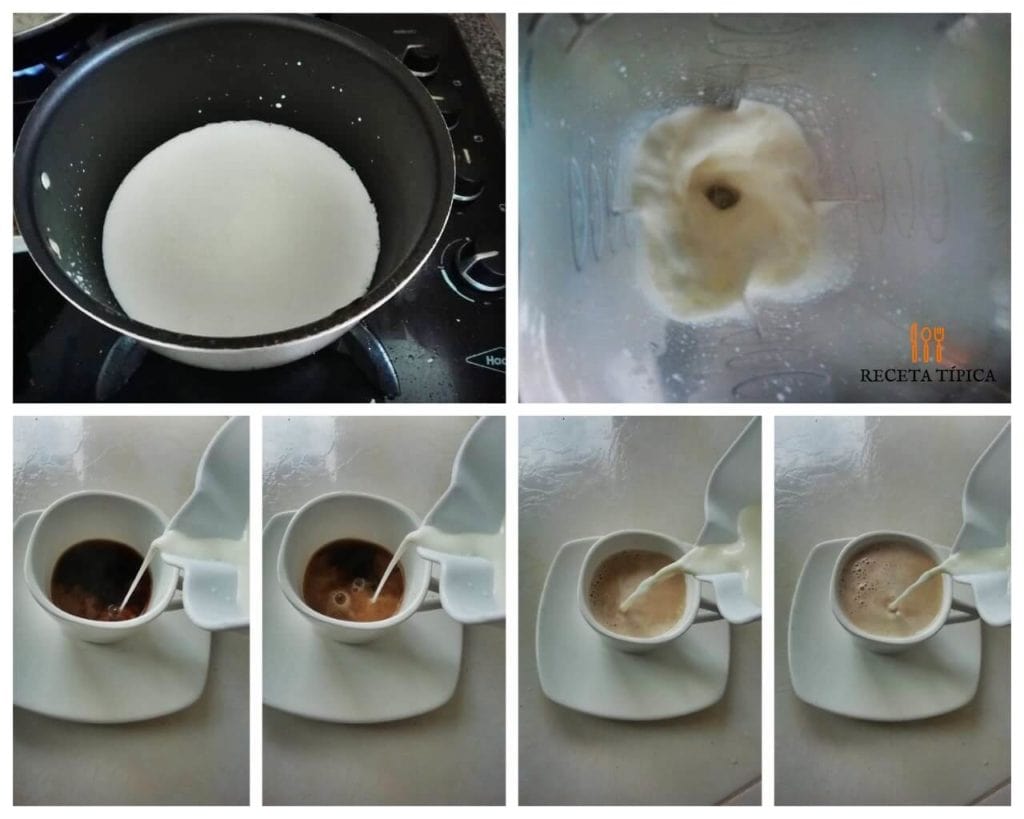
- Warm the milk over low heat to 140-149 °F (60-65 °C): hot to the touch, steaming, but nowhere near a simmer. Past about 160 °F the milk stops foaming and starts tasting cooked, so it is worth erring on the low side.
- Take it off the heat and blend it straight away at medium speed for about 2 minutes, until it has roughly doubled and holds soft foam.
- Pour the milk into a small jug.
- Have the espresso or strong hot coffee ready in the cup.
- Hold the jug and tap it a few times against the table: this bursts the large bubbles and leaves the fine, glossy foam a cappuccino needs. Swirl it once, then pour the milk into the cup straight away, before the foam separates.
Comments
No Comments