
What are cocadas?
The cocadas are one of those sweets that you have surely tried in your life, we found them in stores or when passing through the bakeries displayed in the showcases, a very tempting and irresistible sweet, which forced us to try it.
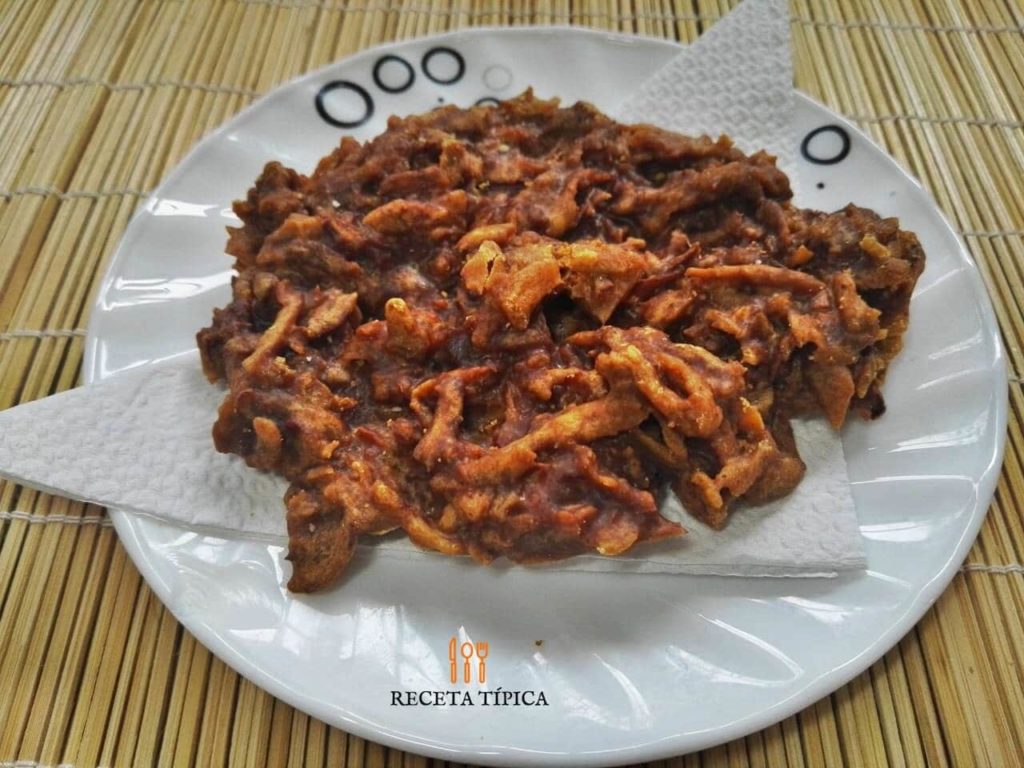
Cocadas are a very popular sweet, and in parts like the Colombian Caribbean, it is widespread to see women, mostly Afro-descendants, who carry a thick turban on their head, and on it, a basket with cocadas. It is a delicious and delicious delicacy, which keeps within itself, a world of flavor.
So next, we will see a recipe that is very easy to prepare, and that will surely surprise those who have not tried it before. The cocadas are coconut-based snacks, which carry very few ingredients, and the result is beautiful to taste. By not moving flour, they do not contain gluten, so they are suitable for coeliacs.
What is the main ingredient?
Cocadas are a dessert that consumed in many parts of Latin America, and they are traditional in certain celebrations and regions in some countries. It is about coconut snacks whose interior is moist and soft, thanks to its high coconut content, for coconut lovers, like my mom, it's like reaching the sky in just one bite.
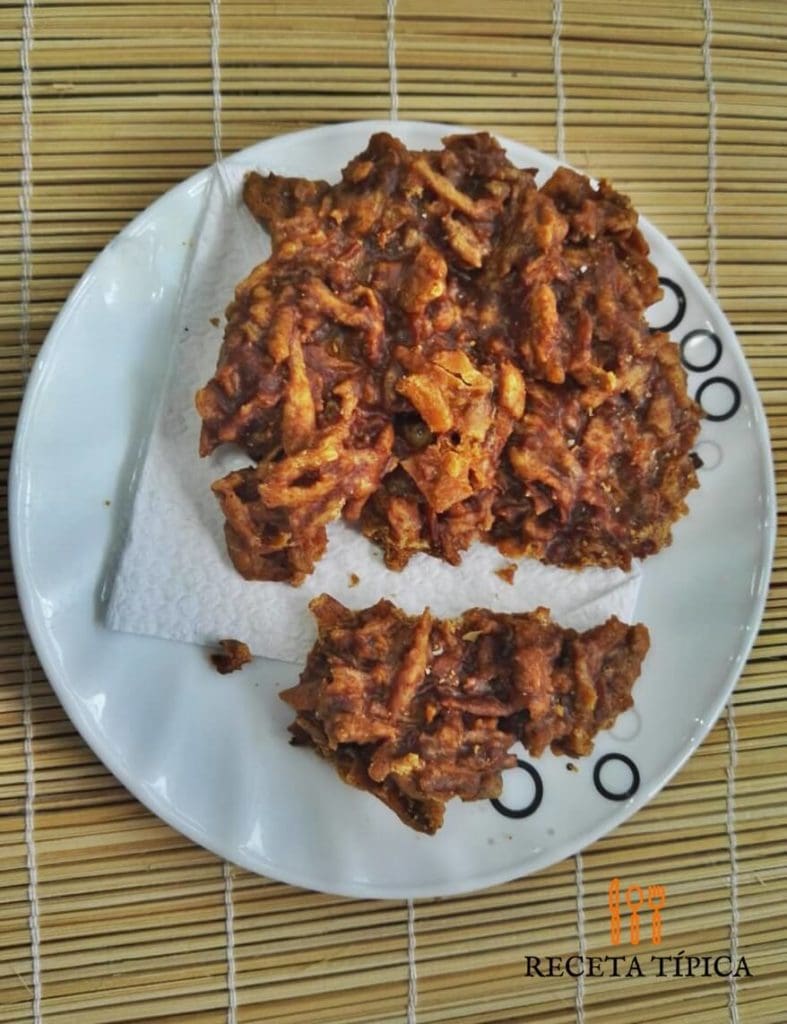
Do you crave it? Then do not think more and come and prepare with us this delicious recipe, capable of surprising young and old, ideal for any time of the day, the best of all is that they remain fresh for several days, believe me, you will not regret it. So let's cook.
We recommend you prepare Coffee Cake or Alfajores Cookies.
Receta original en EspañolCocadas FAQ
Coconut sweets made by cooking grated coconut with panela and coconut water until the mixture thickens, then spooning it out to cool and set. No oven and no egg. They are sold by street vendors all along the Caribbean coast, where the coconut is at its best.
Method, mostly. Colombian cocadas are cooked down in a pot and left to set as they cool. Mexican cocadas are usually baked. Peruvian cocadas are closer to a meringue, built on whipped egg white. Same name and same fruit, three different sweets.
When a spoon dragged across the bottom of the pot leaves a clear trail that does not close immediately, and the mixture holds its shape rather than spreading when you drop a spoonful onto a plate. That takes around 30 minutes of steady simmering.
Fresh grated coconut is what the recipe assumes, and it gives the best texture and the coconut water you need. Frozen grated coconut is a good substitute. Avoid sweetened desiccated coconut from a bag: it is dry and already sugared, and the cocadas come out cloying and grainy.
From the coconut itself if you are grating your own, which is the neatest way. Otherwise plain bottled coconut water works, as long as it is unsweetened. Do not use coconut milk, which is much fattier and changes the texture completely.
Undercooked. The mixture needs to be genuinely thick in the pot, not just warm and syrupy, because it barely firms up further as it cools. If a batch stays soft after a couple of hours, scrape it back into the pot and cook it longer.
Up to two weeks in an airtight container at room temperature. The sugar preserves them and they dry out slightly as they sit, which most people consider an improvement. They do not need refrigerating.
📖 Recipe

Ingredients
- 1½ cups coconut water (unsweetened; not coconut milk)
- 2½ cups grated coconut (fresh or frozen; avoid sweetened desiccated coconut)
- ¾ cup panela, grated, or brown sugar (panela is the traditional one and comes in a solid block, hence the grating)
- ¼ cup milk
- 1 pinch ground cinnamon
Instructions
- Put the coconut water, grated coconut, panela or sugar, milk and cinnamon in a pot and bring to a boil. Once it boils, lower the heat.
- Let it simmer uncovered for at least 30 minutes, until the mixture is genuinely thick. It is ready when a spoon dragged across the bottom leaves a trail that stays open, and a spoonful dropped on a plate holds its shape instead of spreading.
- Stir often with a wooden spoon so the mixture does not stick to the bottom of the pot and catch.
- Once it is ready, spoon small mounds onto a tray lined with parchment paper. Not kitchen paper: the hot mixture sticks to it and tears when you lift the cocadas off.
- Repeat with the rest of the mixture.
- Let them cool completely. They set as they cool and will not firm up much beyond that, so if they are still soft after a couple of hours, the mixture needed longer in the pot.
- Store in an airtight container for up to 2 weeks.
Comments
No Comments