
This fermented yogurt drink, traditional in Colombia, is a cultural treasure that has been enjoyed for generations and has earned a special place in the hearts of all food lovers.
Made from fermented milk, Kumis is a smooth, slightly tangy, and refreshing beverage perfect for any time of the day. Whether you have it for breakfast to kickstart your day, as a healthy snack in the afternoon, or to accompany a delicious Colombian meal, Kumis is always a delicious and nutritious choice.
Kumis is a fermented milk drink, thicker and sharper than yoghurt and usually unsweetened. It is sold in bottles across Colombia and drunk alongside lunch or on its own.
You might find many kumis recipes when searching, but I assure you that none can offer the flavor I bring in my recipe today, and best of all, I guarantee you won't taste any sour milk on your palate.
Homemade Kumis
This is the standard recipe you might find for kumis and the most traditional one. However, in my house, it's common to use specific ingredients in the kumis to enhance its flavor and texture compared to the industrial versions.

What sets our kumis apart from others?
In this kumis, you'll discover a very natural taste that's a pleasure to enjoy, with just the right texture.
Our kumis stands out as it's made 100% with fermented milk. I don't add regular kumis found in the market or any lactic culture sachets to achieve its flavor.
It's made with love, and the best part is that it's a recipe handed down from my grandmother.
What is kumis?
Kumis is a beverage made from fermented milk, combined with sugar and other ingredients, resulting in a unique drink to enjoy at home.
Kumis is fermented milk, so what you are tasting is the work of the bacteria: they turn the lactose into acid, which is what thickens the milk and gives it the sour edge. That is also why it keeps longer than the milk it came from.
How to make homemade kumis?
The first step is to let the milk sit at room temperature in a container, preferably a clean, well-sealed plastic bottle, in a cool place for several days until the milk is fully fermented.
After several days, check the bottle or the container where the fermented milk is stored. If there's excess whey (yellowish water), remove a little of it, but not all, and transfer the rest to a blender.
Add sugar and a bit of baking soda to the blender and blend until all the ingredients are well-integrated. After blending for a few minutes, pour it into glasses and enjoy.
What to pair with our homemade kumis?
You can pair this recipe with fruits or granola for breakfast, or with a standard meal for lunch. It easily adapts to other flavors, or you can have it with homemade oat cookies. It's an easily paired and delightful beverage.
Tips and Recommendations
- Typical kumis is made with fermented milk and sugar. I suggest adding a bit of baking soda; this will cause the mixture to rise and enhance its flavor.
- When serving, sprinkle some ground cinnamon or nutmeg on top. It'll add a unique touch to our kumis, making it even more enjoyable.
- Once the milk starts fermenting, avoid handling, shaking, or moving it around too much. The more it rests, the better the fermentation process.
- If you prefer cold kumis, make it as usual, and then refrigerate. Avoid adding ice to maintain its texture and taste.
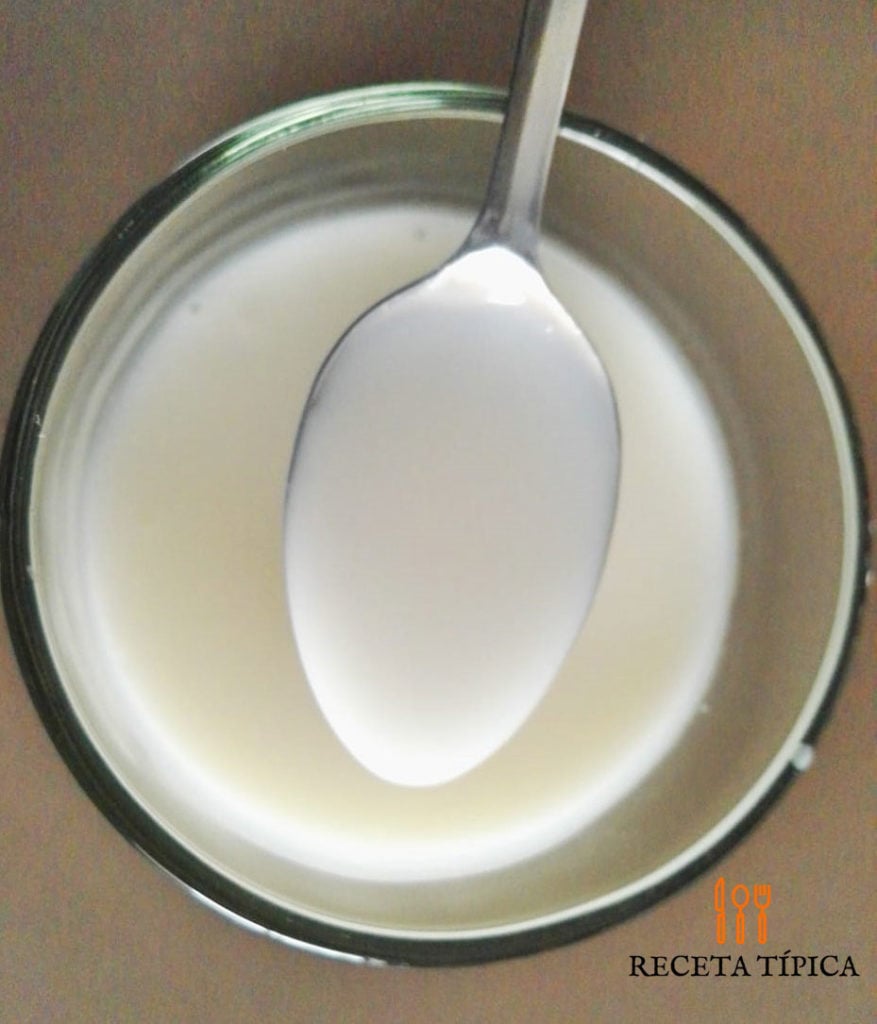
How to tell it is ready
- It thickens enough to coat the back of a spoon, but still pours.
- It smells sour rather than of fresh milk.
- Small bubbles rise when you stir it: that is the fermentation.
- Past that point it turns sharp and separates, so once it is there it goes in the fridge.
Kumis is a fermented dairy product, enjoyable on its own or with accompaniments. This food is made from fermented milk but tastes somewhat like beer.
I've always known that fermenting milk produces beneficial bacteria for our bodies, but I'd never researched its benefits until now. The findings are fascinating! It's surprising how beneficial it is for various health concerns. I encourage you to get informed and learn as I did.
Kumis provides calcium, phosphorus, vitamins B2, D, and B12, magnesium, protein, fat, and other essential nutrients vital for our body's proper functioning. It's a low-fat, low-lactose food, making it suitable for most people to consume and enjoy.
Recommended Recipes
- Roasted milk dessert: if you want to use milk in other recipes, I assure you, you'll love this dessert.
- Meringue milk: when it comes to dairy delights, this one stands out. A unique and delicious recipe.
- Whey: a recipe from which we can create others, delicious and easy to make.
Kumis FAQ
No, and they are easy to confuse. Central Asian kumis is made from fermented mare's milk and is slightly alcoholic. Colombian kumis is made from cow's milk, has no alcohol, and tastes closer to a sweetened drinkable yogurt. Same name, different drink.
Between 1 and 5 days, and temperature decides it, not the calendar. Milk left to sour on its own works fastest between 68 and 78 °F (20 to 26 °C), where it usually sets in 24 to 48 hours. A cool pantry pushes it toward 3 to 5 days. It is ready when the milk has separated into white curd and yellowish whey.
Not reliably, and this matters. Souring milk on its own depends on the lactic acid bacteria naturally present in raw milk. Pasteurized milk has had those removed, and ultra-pasteurized milk has none at all, so instead of fermenting it can simply spoil. If you only have pasteurized milk, stir in 2 tablespoons of plain live-culture yogurt to give the fermentation a starter.
Fermented milk separates cleanly into white curd and yellowish whey, and smells sour but clean, like plain yogurt. Spoiled milk smells bitter, putrid or cheesy, and may show pink, grey, green or fuzzy patches. Any colour that is not white or pale yellow means throw it out. When in doubt, discard it: it costs a liter of milk to be wrong.
The baking soda neutralises part of the acid produced during fermentation. That takes the sharp edge off the sourness and gives the drink its lighter, slightly foamy texture when blended. It is what keeps the finished kumis from tasting like plain sour milk.
Whole milk gives the thick body kumis is supposed to have. Skim milk ferments but stays thin, because there is not enough fat to carry the texture. Plant milks do not work here: without milk protein there is no curd to separate, so there is nothing to blend.
No. This is the traditional home method and it relies on the bacteria already present in the milk, which is why it uses a bottle left at room temperature rather than a culture sachet. That also means results vary more from batch to batch than with a commercial starter.
Keep it refrigerated in a closed container and drink it within a few days. It keeps fermenting slowly in the fridge, so it turns more sour as the days pass. If it separates again, shake or stir it before serving rather than blending it a second time.
It is most often drunk cold on its own, as a mid-morning or afternoon refreshment. It is also served at breakfast alongside bread or arepas, and sprinkled with ground cinnamon on top, which is how this recipe finishes it.
📖 Recipe

Ingredients
- 1 liter whole milk (about 4¼ cups; raw milk ferments best, see FAQ for pasteurized)
- 1 teaspoon baking soda
- 4 tablespoons sugar (about 50 g)
- Ground cinnamon, for serving (optional)
Instructions
- Start the fermentation. Pour the milk into a clean plastic bottle and rest the cap on top without screwing it shut, so the gases can escape. Leave it somewhere cool and out of direct sunlight for 1 to 5 days: at 68-78°F (20-26°C) it usually sets in 24 to 48 hours, and in a cooler spot it takes 3 to 5 days.
- After a couple of days, check it. It is ready when the milk has separated into white curd and yellowish whey and smells sharply sour, like plain yogurt. Loosen the cap without opening it fully and pour off some of the whey, but not all of it. If it smells bitter or shows any colour other than white or pale yellow, throw it out.
- Once it has fermented and only a little whey is left, open the bottle and pour the contents into a blender. Add the sugar and the baking soda.
- Blend on high for about 2 minutes, until smooth and slightly foamy with no lumps. Serve cold, with ground cinnamon sprinkled on top.
Comments
No Comments