
Imagine a cream so smooth and velvety that it glides dreamily off your spoon, instantly elevating your desserts, soups, and sauces to a new level of indulgence. This homemade cream, made with just three simple ingredients you probably already have in your kitchen, is just that. High-quality butter harmoniously melts with fresh milk, while a pinch of sugar adds the perfect sweet touch without being overpowering.
But wait, there's more. This recipe isn't just delicious; it's also a way to connect with culinary tradition. In Colombia, cream is used in a variety of dishes, from arepas to desserts, adding a richness that's simply irresistible. By making it at home, you're engaging in a ritual that's been part of Colombian culture for generations.
So, why settle for processed versions when you can make a homemade cream that's pure, fresh, and absolutely delicious? With this recipe, you'll be equipped with everything you need to craft a cream that will make your dishes stand out, and your guests will ask for your kitchen's secret.
Making homemade cream is truly simple, as you can see from this and other recipes. For this and other reasons, I wanted to share this recipe with you.

Homemade Cream: Traditional and Delicious
In this post, you'll find two ways to prepare excellent homemade cream. The first is the traditional method, which can take over 5 hours to be ready, and the other is a quicker method.
Is there any difference from other recipes?
This cream recipe is creamy and thick, a texture that's hard to achieve.
We share both preparation methods so you can choose according to your available time and experiment with both textures and flavors.
You'll notice there's not much difference from what you find in supermarkets, but this will taste much better.
What is cream?
Cream, also known as 'nata', is a substance with a fatty consistency, and its color can be white or yellowish. It's a dairy product with a pleasant texture.
Depending on its fat content, its uses vary. Lighter versions are used for coffee, soups, and sauces. Thicker versions are for making whipped cream, and the extremely fatty kind can be used to make butter.
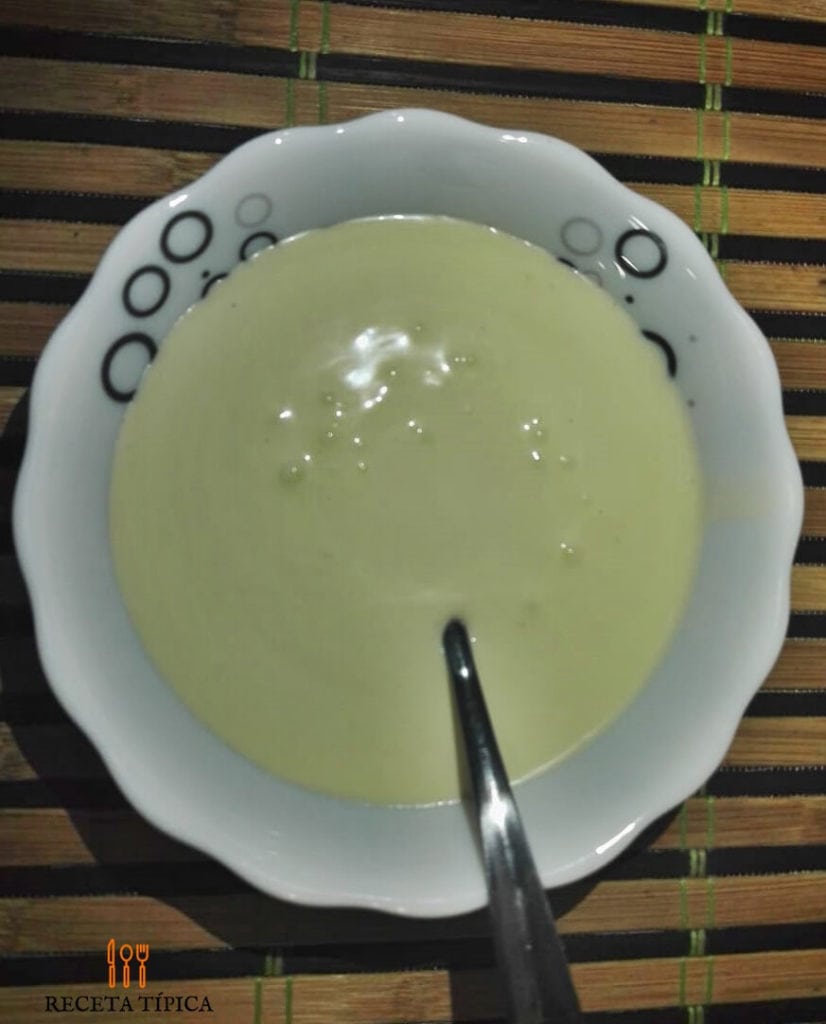
How to make homemade cream?
For the first recipe, heat milk in a pot with butter and stir continuously until the butter melts, without letting it boil. Blend until the mixture becomes frothy.
Then, refrigerate this mixture for about 5 hours or leave it overnight. Add sugar the next day and stir gently with a wooden spoon.
For the second method, heat the milk, reduce the amount of butter from the previous recipe, and add cornstarch. Stir continuously until the mixture thickens.
What pairs well with this recipe?
Something as simple as delicious strawberries or use it to prepare a delightful chicken in mushroom sauce. This cream can be used in numerous ways. I hope you enjoy it.
Tips and recommendations
- When preparing the recipe quickly, adjust the amount of cornstarch to achieve your desired thickness.
- You can use butter or margarine for this preparation; both are good options.
Benefits
Recommended Recipes
- Strawberries with Cream: A great way to make the most of a good homemade cream recipe.
- Chicken in Mushroom Sauce: This sauce is made with cream and mushrooms, perfect for lunch.
- Ajiaco: Try this homemade cream with ajiaco... you'll love its combination and flavor.
Crema de Leche FAQ
The closest equivalent is heavy cream, but they are not identical. Colombian crema de leche is lighter, usually around 25 to 30 percent fat against the 36 percent of US heavy cream, and it is slightly thickened. It pours and cooks like cream but does not whip to stiff peaks the same way.
For cooking, heavy cream or whipping cream works in almost any Colombian recipe calling for crema de leche. For a closer match in texture, thin heavy cream slightly with whole milk. Mexican crema, sold in Latin aisles, is close but tangier because it is cultured.
For pouring or for a sauce, yes. Not for anything that needs to thicken or hold: half-and-half has too little fat and will split if boiled hard or reduced. If the recipe cooks the cream down, use heavy cream.
No, and this catches people out. Crema de leche is sweet and uncultured, closer to plain cream. Sour cream and Mexican crema are cultured and tangy. Using sour cream in a Colombian dessert will make it taste wrong in a way that is hard to place.
The butterfat has to set. Straight after blending, the mixture is a warm emulsion that pours like milk; five hours in the fridge, or overnight, is what turns it into something with the body of cream. Rushing this step is the usual reason it comes out thin.
The first, with just milk and butter, gives a cleaner flavour but needs the long chill. The second adds cornstarch, which thickens it on the stove and is much faster, at the cost of a slightly starchy texture. Use the first if you have time, the second if you do not.
📖 Recipe

Homemade Crema de Leche (Colombian Cooking Cream)
Imprimir Pin ComentarIngredients
Recipe 1
- 350 g milk (about 1½ cups)
- 300 g butter (about 1⅓ cups)
- 2 ½ tablespoons sugar
Recipe 2
- 350 g milk (about 1½ cups)
- 150 g butter (about ⅔ cup)
- 2 ½ tablespoons sugar
- 2 tablespoons cornstarch
Notas
Instructions
Method 1
- METHOD 1. Put a pot on low heat with the milk and the butter broken into small pieces. Stir continuously until the butter melts, without letting it boil.
- Once the butter has melted, take it off the heat and blend immediately for about 3 minutes, until the mixture turns frothy and pale.
- Pour it into a container and refrigerate for at least 5 hours, or overnight. This is not optional: the butterfat has to set, and it is what turns the mixture from warm liquid into something with the body of cream.
- Once chilled, stir in the sugar gently and it is ready.
Method 2
- METHOD 2, the faster one. In a pot over medium heat, put the butter and milk, add the sugar and stir continuously until the butter has melted.
- Dissolve the cornstarch in a little cold milk and add it to the pot, stirring constantly. Keep going until it thickens enough to coat the back of a spoon, then take it off the heat. It thickens further as it cools, so stop while it still pours.
Comments
No Comments