
The dish came from Spain, where the suckling pig is roasted whole and empty. What Colombia added was the filling: rice, peas and the pork itself, cooked inside the skin so that the fat runs through it. That is the difference between a Spanish cochinillo and a Tolima lechona, and it is why one is carved and the other is served by the spoonful.
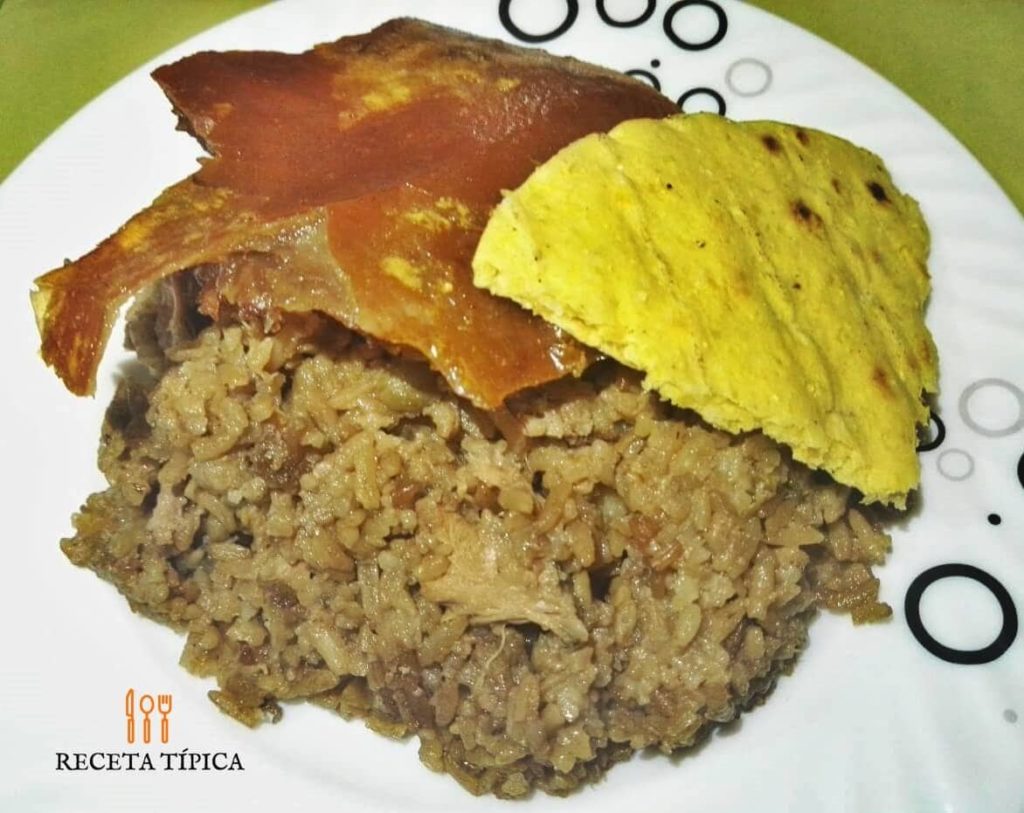
Initially, lechona was consumed by the wealthy during the time of the conquistadors, celebrated on special occasions and Christmas eves as a symbol of companionship. Over time, this dish was adopted by the department of Tolima, becoming part of its typical cuisine and later spreading to different regions of Colombia, experiencing variations in preparation and accompaniments. This main dish consists of pork meat and cooked peas and is typically served with either white or yellow corn arepas.
Nowadays, various places sell lechona by the portion, and many households prepare it, often for special occasions. Its vibrant colors and taste make it a standout dish, and although it requires several hours of preparation, the end result is fabulous. Hence, it's designed for over 40 servings.
It can be part of grand celebrations like a girl's quinceañera, or for Christmas Eve dinner, where it's customary to serve lechona, tamales, custard, fritters, etc. Excessive? Maybe, but let's not forget that we Colombians love to share, especially on Christmas Eve, where we gather as a community to prepare custard, make lechona, and eat as one big family.
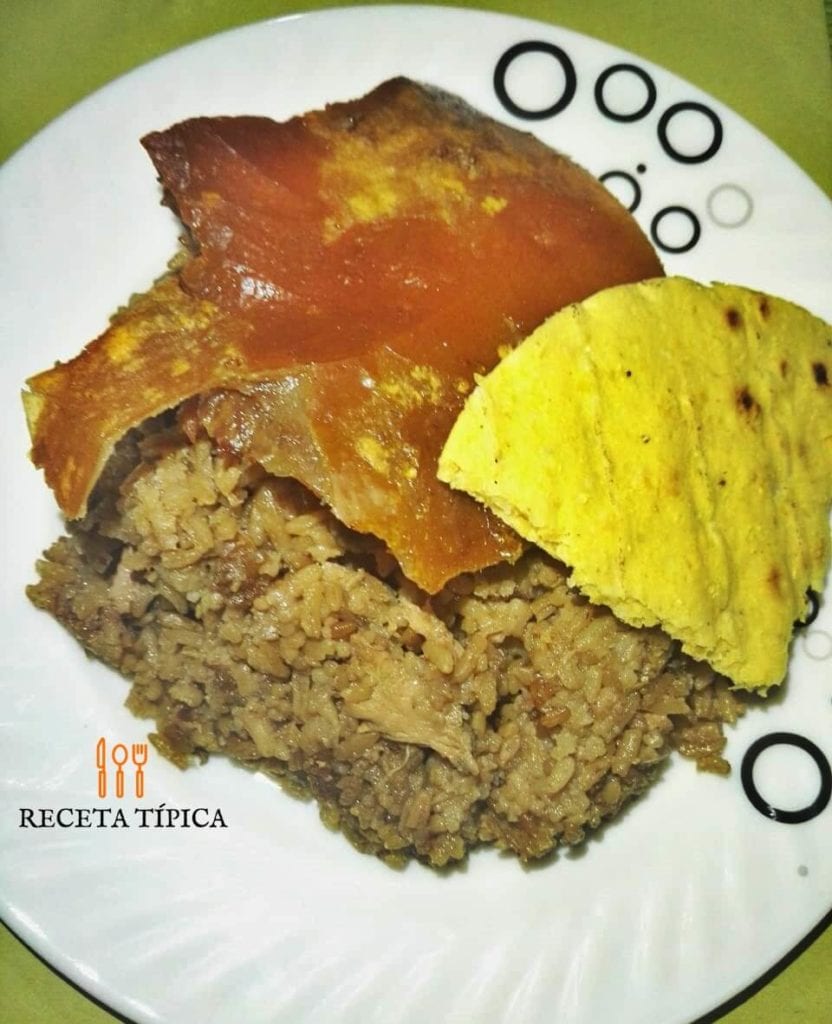
Today, I've decided to show you how to make homemade lechona. There's no need to buy an entire pig to enjoy this dish. There are other, more economical options. Let's get cooking.
Frequently Asked Questions
For crispy and golden skin, first ensure the pork skin is dry before covering it with the rice mixture. Also, remember to bake the lechona covered with aluminum foil for the initial 45 minutes, then uncover and bake for another 25 minutes. This last step gives the skin a beautiful golden hue and crisp finish.
To enhance the flavor of the homemade lechona, make sure to season the rice and pork mixture well. The original recipe suggests using ground cumin, salt, pepper, and sazón with saffron, but adjust these spices to your taste. Marinating the rice and pork mixture in the refrigerator for an hour before cooking allows flavors to meld and intensify.
The lechona recipe is quite flexible. You can add ingredients to the stuffing mix according to your preferences. Some suggestions include diced carrots, corn, or even a touch of chili for a hint of spice. Ensure any additional ingredients are cooked or blanched before adding to the stuffing.
The best way is to check the internal temperature with a cooking thermometer. The internal temperature of the lechona should reach at least 145°F (63°C). Also, allow the lechona to rest for at least 15 minutes after removing from the oven; this lets the juices redistribute, yielding juicier and more flavorful meat.
Leftovers can be refrigerated and enjoyed the next day. Reheat in the oven at a low temperature to maintain its crispy texture. You can also shred the meat for tacos, salads, or even mix with eggs for a delightful breakfast.
A whole young pig, boned and stuffed with rice, peas and its own seasoned meat, then roasted slowly until the skin turns to crackling. It is the signature dish of Tolima and Huila in central Colombia, made for celebrations, and a single lechona can serve up to a hundred people.
Not for this version. Traditional lechona is roasted for ten to twelve hours in a brick oven, which is why it is bought rather than made at home even in Colombia. This recipe uses a piece of skin-on pork rolled around the same filling and baked, which gives you the flavour and the crackling at a scale that fits a home oven.
Skin-on pork belly, in one flat piece, is the closest thing and the easiest to roll. Ask the butcher for the skin left on and the fat layer intact: the fat is what bastes the filling from the inside. Do not use bacon, which is cured and smoked and will not work here.
A seasoning blend with annatto or saffron that gives Colombian rice its yellow colour. In the United States it sells in sachets in the Latin aisle, most commonly the Goya brand. If you cannot find it, a pinch of ground annatto plus a little salt and garlic powder gets close on both colour and flavour.
By thermometer, not by eye, because the filling is what matters. Take the reading in the centre of the roll: 160 °F (71 °C) is a safe target for a stuffed pork roll, above the 145 °F the USDA sets for whole cuts. The skin turning golden and crisp tells you nothing about the inside.
Dry skin and uncovered heat. Pat the skin thoroughly dry before rolling, and keep the foil on for the first stretch so the filling cooks through, then take it off for the last 25 minutes so the surface dries out and blisters. Any moisture trapped under foil steams the skin instead.
On its own, traditionally: a piece of crackling, a spoonful of the rice filling and an arepa on the side. It needs no sauce and no accompaniment beyond that, which is part of why it works as party food.
Tips and Tricks
- To ensure crispy skin, rub some salt on the pork skin before baking. This will help dry out any moisture and create a crispy surface.
- Baking time may vary depending on the size of the pork piece. Always check the meat's internal temperature.
Common Mistakes
- Don't leave the pork skin damp before baking. This can prevent it from becoming crispy.
- Not marinating the stuffing mixture long enough. Letting the mix rest in the fridge for an hour allows the flavors to meld and intensify, resulting in a deeper taste.
Similar Recipes
If you enjoy homemade lechona, you might also like other Colombian dishes that share some ingredients. For example, Sancocho de Gallina, which also uses garlic, onion, and potatoes, is a hearty, flavorful soup perfect for cold days. You can also try the Colombian Tamal, which, like lechona, is based on a mix of meat and rice and is wrapped before cooking.
I recommend these recipes not only because they share some ingredients but also as a sample of the rich and diverse Colombian cuisine. They're versatile dishes that you can tailor to your taste preferences and enjoy on any occasion. Bon appétit!
Accompany this delicious homemade lechona recipe with traditional arepas and chicken broth.
📖 Recipe
Ingredients
- 3 pounds skin-on pork belly, in one flat piece (about 1.4 kg; ask for the skin on and the fat layer intact. Not bacon: it must be fresh, uncured pork)
For the stuffing
- 1 pound pork meat, cut into small pieces (about 450 g; shoulder works well)
- ¼ cup pork fat (lard)
- 4 onions, chopped
- 2 garlic cloves, finely chopped
- 2 potatoes, peeled and diced
- 1 teaspoon sazón with saffron (Latin-aisle seasoning packet, Goya is the usual brand; or a pinch of ground annatto with salt and garlic powder)
- ¾ cup peas
- 1 ¼ cups cooked white rice
- 1 teaspoon ground cumin
- Salt and pepper, to taste
Notas
Instructions
- In a medium saucepan, melt the pork fat. Add the onions and garlic and cook for about 3 minutes, until softened and fragrant but not browned.
- In a large bowl, mix the pork meat, cooked rice, ground cumin, sazón, peas, potatoes, salt and pepper.
- Add the pork fat and onion mixture to the bowl and stir it through. Cover and refrigerate for 1 hour: this lets the seasoning penetrate the meat and firms the filling so it is easier to roll.
- Rinse the pork belly in cold water and pat it thoroughly dry, especially the skin: any moisture left now is moisture that stops it crackling later. Lay it skin-side down on a work surface, spread the filling over it, and roll it up so the filling is fully enclosed. Tie it at intervals with kitchen twine.
- Preheat the oven to 325 °F (165 °C).
- Cover the roll with aluminium foil, set it in a baking dish and bake for about 45 minutes.
- Uncover and bake for a further 25 minutes, so the skin dries out, browns and crisps. It is done when a thermometer pushed into the centre of the filling reads 160 °F (71 °C).
- Take it out and move it to a cutting board. Let it rest for 15 minutes before slicing, or the filling falls apart as you cut.
Comments
No Comments