
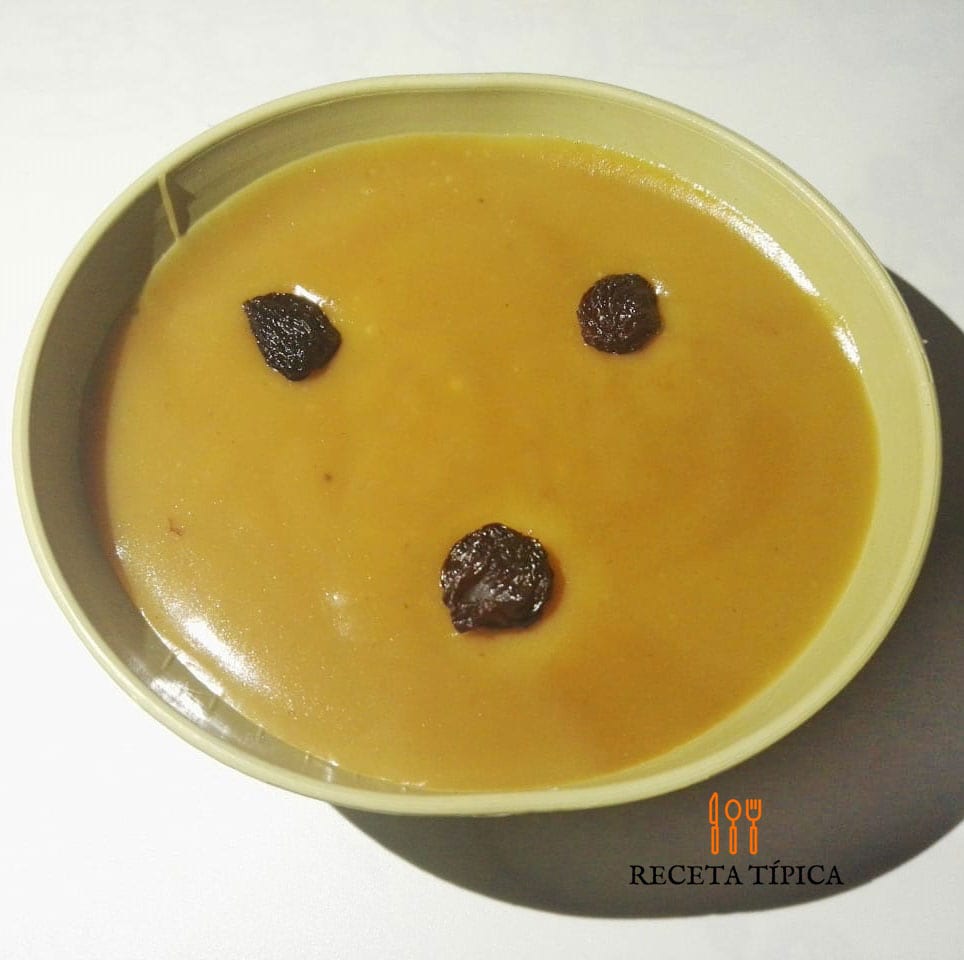
Manjar Blanco, also known as milk delicacy or just Manjar, is a sweet cream commonly flavored with cinnamon and taken as a dessert. The main ingredients are milk or almonds, cornstarch, cinnamon sticks and powder, lemon peel, and sugar.
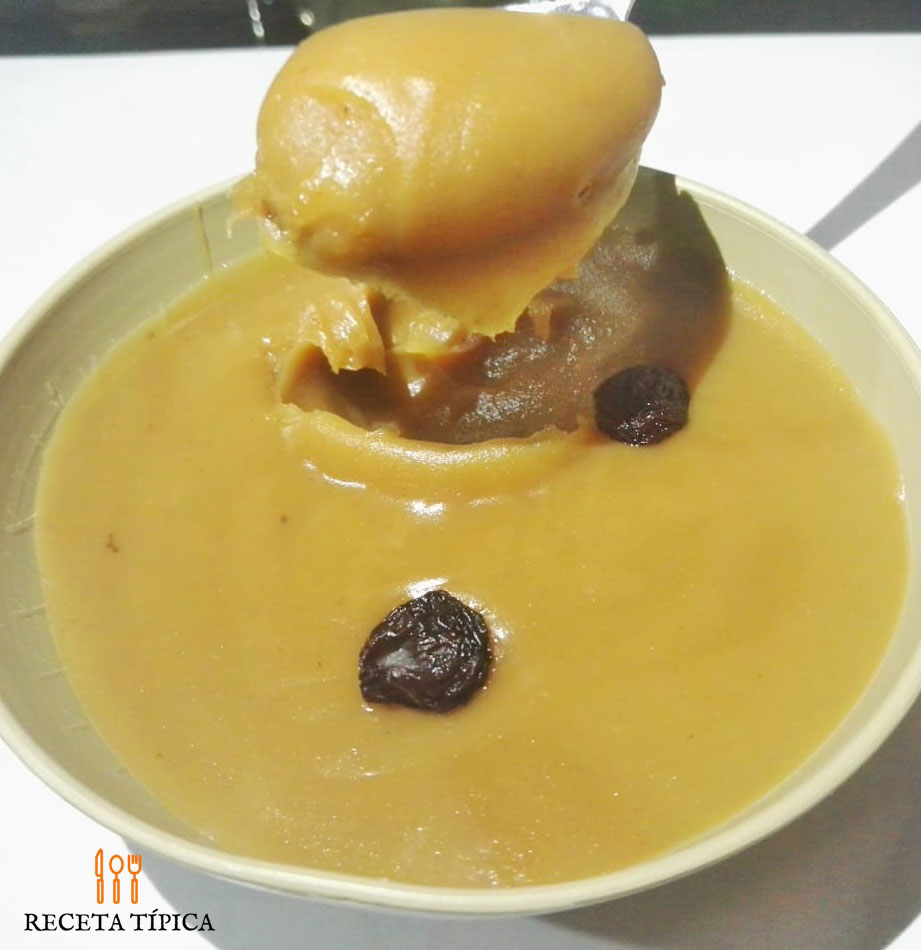
In regions of Valle del Cauca and Cauca in Colombia, this dessert is a local favorite. It's occasionally paired with stewed figs and/or curd cheese. It's the ideal treat during Christmas celebrations, sunny afternoons, family Sundays, really, any time or place.
For many Colombians, Manjar Blanco brings back memories of togetherness, joy, and anticipation. Families would gather, play music, enjoy their favorite drinks, and eagerly await the moment the dessert was ready to be savored.
Once it was ready, traditional bowls called "totumas" were brought out, and everyone would sit down with their spoon to enjoy this delicious treat.
These communal dessert-making sessions have become less common, but some families still uphold the tradition.
Considering the cherished memories and the explosion of flavors this dessert offers, I invite you all to join me in making a homemade Manjar Blanco. It’s perfect for satisfying occasional cravings and for enjoying the company of loved ones. A great reason to bring the family together over a weekend to prepare a delectable treat. Let's cook.
What's the secret to achieving the perfect texture in Manjar Blanco?
The key to a smooth and creamy texture lies in soaking the rice for 24 hours before preparation. This softens the rice, allowing it to blend better with the milk when blended, resulting in an impeccable consistency.
How can I prevent it from sticking?
Constantly stirring the mixture during cooking, especially when adding the blended rice and cinnamon sticks, is essential to prevent sticking. Using a thick-bottomed pot also ensures even heat distribution and reduces the risk of burning.
When is the right time to add sugar?
The best time is after the milk has been reduced through boiling. This ensures the sugar dissolves fully and is uniformly mixed in. Adding sugar too early can result in a grainy texture in the Manjar Blanco.
Should I strain the blended rice before adding it to the milk?
Yes. Straining ensures the removal of any lumps or impurities, ensuring a smooth, consistent texture.
How do I know when the Manjar is ready?
It's ready when it achieves a thick, creamy texture. Cooking time can vary, but patience is key. Once the desired consistency is achieved, remove from heat and let it rest before serving.
Tips and Tricks
- For an extra flavor touch, add a few drops of vanilla extract during cooking.
- Use whole milk instead of skim or semi-skimmed milk for a richer and creamier texture.
- Manjar Blanco can be enjoyed warm or cold. If you prefer it cold, let it cool to room temperature before refrigerating.
Common Mistakes
- Not soaking the rice long enough can result in a grainy texture.
- Using skim or semi-skimmed milk alters the texture and taste.
- Not stirring continuously during cooking can cause it to stick to the pot's bottom.
Recommended Similar Recipes
- Rice Pudding: Shares ingredients like milk, rice, and cinnamon with Manjar Blanco. The main difference is that the rice in the pudding doesn't require a 24-hour soak and is cooked in the milk from the beginning. It's perfect for those seeking a quicker option.
- Colombian Natilla: This traditional Colombian dessert also uses ingredients like milk, sugar, and cinnamon. Though it doesn't contain rice, its creamy texture and delicate taste make it a great alternative to Manjar Blanco.
- Mazamorra Paisa: This Colombian dessert primarily uses corn instead of rice. Like Manjar Blanco, Mazamorra Paisa is slowly cooked in milk, giving it a creamy texture and comforting flavor. If you love Manjar Blanco, you'll likely enjoy Mazamorra Paisa as well.
These recipes are great for those wanting to experiment with various Colombian desserts or just utilize ingredients already at home. All offer delicious, comforting flavors, perfect for family gatherings or special events.
Manjar Blanco FAQ
The rice. Arequipe is milk and sugar reduced until it caramelises, smooth and uniform. Manjar blanco, in the Valle del Cauca version, is thickened with blended rice as well, which gives it more body and a faint grain. Both are milk sweets; they are not interchangeable.
So it softens enough to blend into a smooth liquid rather than gritty specks. The soaked rice is blended with its water and strained, and it is that starchy liquid, not the grains, that goes into the milk. Undersoaked rice leaves the manjar sandy.
When a spoon drawn across the bottom of the pot leaves a trail that stays open for a moment, and the mixture has gone from white to pale ivory. It thickens further as it cools, so stopping slightly early gives a better final texture than cooking it stiff.
Milk and sugar catch on the bottom of the pot the moment they start to thicken, and once they catch, the burnt taste goes through the whole batch and cannot be removed. Stirring is not optional in any milk sweet: it is the technique.
Plain white rice is what the recipe assumes and what works. Avoid parboiled rice, which does not soften the same way, and avoid brown rice, whose bran changes both colour and flavour. The rice here is a thickener, not an ingredient you taste.
About a week refrigerated in a closed container. It firms up considerably when cold, so take it out a while before serving, or warm it gently with a splash of milk if you want it spreadable.
📖 Recipe

Ingredients
- 3 liters milk (about 12¾ cups; whole milk)
- 600 g sugar (about 3 cups)
- ½ cup rice (plain white rice; it is a thickener, not something you taste)
- Cinnamon sticks for cooking, plus ground cinnamon to serve
Instructions
- Soak the rice in water for 24 hours. It has to soften enough to blend smooth: undersoaked rice leaves the manjar sandy.
- The next day, drain nothing: you will use the rice with its soaking water.
- Put the milk in a wide pot over low heat and let it reduce for at least an hour, stirring often so it does not catch on the bottom. Keep it at a bare simmer rather than a boil. Then add the sugar.
- Blend the soaked rice with its water twice, until completely smooth.
- Strain the blended rice through a fine sieve and add the liquid to the reduced milk. It is the starchy liquid that thickens the manjar, not the grains.
- Add the cinnamon sticks and carry on cooking, stirring, until a spoon drawn across the bottom leaves a trail that holds for a moment and the colour has turned pale ivory. Take out the cinnamon, let it cool and dust with ground cinnamon to serve.
Comments
No Comments