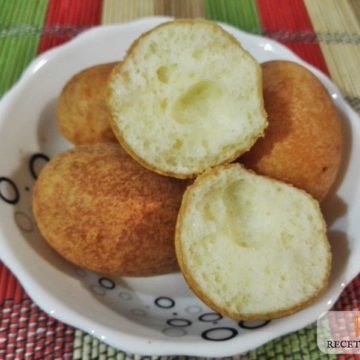
Buñuelos during this time become more traditional than ever, as it is the Christmas season, and there is nothing better than enjoying this wonderful recipe with family. A typical recipe that cannot be missed.

Buñuelos
I prepare this recipe every time I can, that's why I know that there is nothing more delicious than these Colombian buñuelos, so soft and delicious, that you will want to eat them over and over again. Join us and discover our recipe.
Differences with other recipes
The combination of two of our best cheeses makes this recipe different and much more exquisite.
We aim for your time in the kitchen to be short, that's why we bring you this recipe.
Its ingredients are not many, and they will be enough to make these buñuelos irresistible.
What is a buñuelo?
The buñuelo is a dough that is prepared based on flour, usually corn or ground corn, which is mixed with water, milk, egg, yeast, cheese, and which can also carry some filling, either sweet or savory.
Once the dough is made, it is formed into balls and fried until golden, this way we get the delicious buñuelos, a tradition that has accompanied us for many years.
This recipe really provides energy to the body, they can be salty or sweet, and for this reason, they become something delicious.
Does this recipe make you gain weight? If you eat buñuelos excessively, if you consume them frequently and you are a sedentary person, they will make you gain weight, otherwise, nothing will happen.
How to make buñuelos at home?
In a bowl, crumble both cheeses with your fingers and set aside. Then, in another bowl mix the colmaíz with the starch, once done add the cheeses and mix with your hands.
Also add the sugar, the egg and a little bit of water or milk and knead. When everything is integrated, start heating the oil. Meanwhile, start forming balls with the dough.
To test the oil's temperature, place a small ball of the dough and it should rise in 4 seconds, if it takes longer it's cold, and if it rises sooner it's too hot.
Place the buñuelo balls in the oil, and let them fry. The buñuelos will turn over on their own, once they stop and are golden, remove and drain. And done, you can now enjoy this delicious recipe.
What to accompany the buñuelos with?
They can be accompanied with hot drinks, such as coffee or chocolate, milo, etc., but they can also be accompanied with traditional custard, a perfect pairing that delights the palate and greatly enjoys this recipe.
Tips and recommendations
- Use fresh cheeses, this way the recipe will also stay fresh and last longer.
- Only use baking powder if you live in a very hot area, otherwise it is not necessary to use it.
- Take care of the dough so it doesn't become too moist, this will ensure that your buñuelos do not fall apart.
- Hojaldras — the other thing fried at Christmas.
Recommended recipes
Broccoli buñuelos: a different way to prepare buñuelos.
Custard: a perfect recipe for this season and to accompany the buñuelos.
Cheese bread: a recipe where you can take advantage of the cheese to prepare something different.

Buñuelos FAQ
Completely different food under the same name. Mexican buñuelos are thin discs of dough, fried flat and dusted with cinnamon sugar. Colombian buñuelos are round balls made mostly of fresh cheese, savoury with a hint of sweetness, and eaten at Christmas with natilla. Spanish buñuelos are a third thing again.
A Colombian brand of ready-made buñuelo mix, made by Ingredion: corn starch, cassava starch, sugar, salt and baking soda already blended. It is not plain cornstarch. Outside Colombia, look for it in Latin groceries as 'mezcla para buñuelos', or approximate it with equal parts cassava starch and cornstarch plus a little sugar, salt and baking soda.
The recipe uses two Colombian fresh cheeses: queso costeño, which is dry and salty, and cuajada, which is mild. Together, queso fresco with a little feta approximates them: the feta brings the salt, the queso fresco the body. Both need to be crumbled fine and quite dry.
As the inside cooks, steam builds and the ball becomes buoyant on one side, so it rolls. It is the traditional test of a good buñuelo: if it turns itself, the dough and the oil temperature are right. If it sits still and browns on one side, the oil is too hot.
Drop in a small ball of dough. It should rise to the surface in about four seconds. Faster and the oil is too hot: the buñuelo will brown before the middle cooks. Slower and it is too cold: the dough will absorb oil and come out heavy.
Usually dough that was too wet, or balls that were not rolled smooth. Add the liquid a little at a time, as the recipe insists, and roll each ball between your palms until the surface has no seams. Cracks are where steam escapes and the buñuelo bursts.
With natilla, the Colombian Christmas custard, and that pairing is close to obligatory in December. They are also eaten on their own with coffee at any time of year, and are common at breakfast in some regions.
📖 Recipe
Ingredients
- 125 g queso costeño (dry salty white cheese) (about 4½ oz; queso fresco with a little feta approximates it)
- 125 g cuajada (fresh curd cheese) (about 4½ oz; queso fresco or farmer's cheese, crumbled dry)
- 250 g colmaíz (Colombian buñuelo mix) (about 9 oz; a ready mix of corn and cassava starch with sugar, salt and baking soda. Sold in Latin groceries as mezcla para buñuelos. It is NOT plain cornstarch)
- 30 g sugar (about 2½ tbsp)
- 50 g cassava starch (about ⅓ cup; also sold as tapioca starch or almidón de yuca)
- 1 egg
- Water or milk (added little by little; the dough should not get wet)
- Oil, for deep frying (enough depth for the balls to float and turn)
Instructions
- In a bowl, crumble both cheeses with your fingers until fine, and set aside. The finer they are, the smoother the dough.
- In another bowl, mix the colmaíz with the cassava starch, then add the cheeses and mix with your hands.
- Add the sugar, the egg and a little water or milk, and knead.
- Add the liquid little by little. The dough should come together but stay on the dry side: a wet dough cracks open in the oil.
- Once it is well kneaded and even, start heating the oil. Meanwhile, roll the dough into balls, smoothing each one between your palms until the surface has no seams.
- To test the oil, drop in a small ball of dough: it should rise to the surface in about 4 seconds. Faster means the oil is too hot, slower means it is too cold.
- Put the buñuelos in the oil and let them fry. They turn themselves over as they cook, which is the sign that dough and temperature are right. When they stop turning and are golden all over, lift them out and drain.
Comments
No Comments