
These Cambray empanadas are one of those special recipes for those who love snacks, and if you like to combine the snack with cheese, it's the perfect recipe. I would say it's a paradise for those who enjoy combining both flavors and in this simple recipe, they find a lot of flavor.
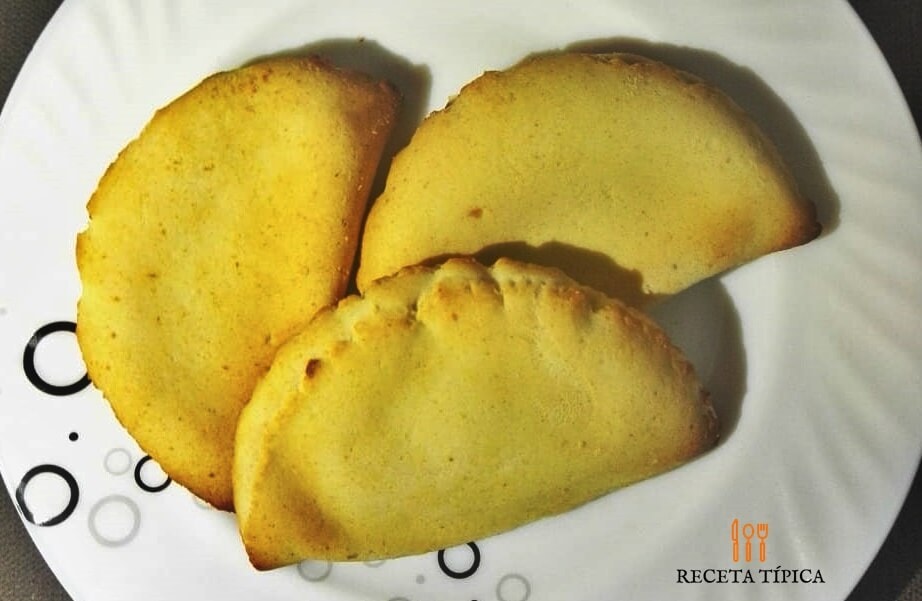
It's quite a challenge to learn how to prepare delicious Cambray empanadas, and many people think that their preparation is usually difficult and for this reason, they refrain from preparing and removing their craving. Today I want to come and break all those myths and all those fears, if we cook with love, the kitchen can become our best ally. So let me tell you that making Cambray empanadas is not as complicated as it seems, and it's easier than you think.
If we don't experiment and prepare them, we're never going to really know how complicated or how easy it can be, and as they say, everything is a matter of practice, and this is what makes the master. The more times we prepare them, the more delicious they will become each time, and that is our challenge.
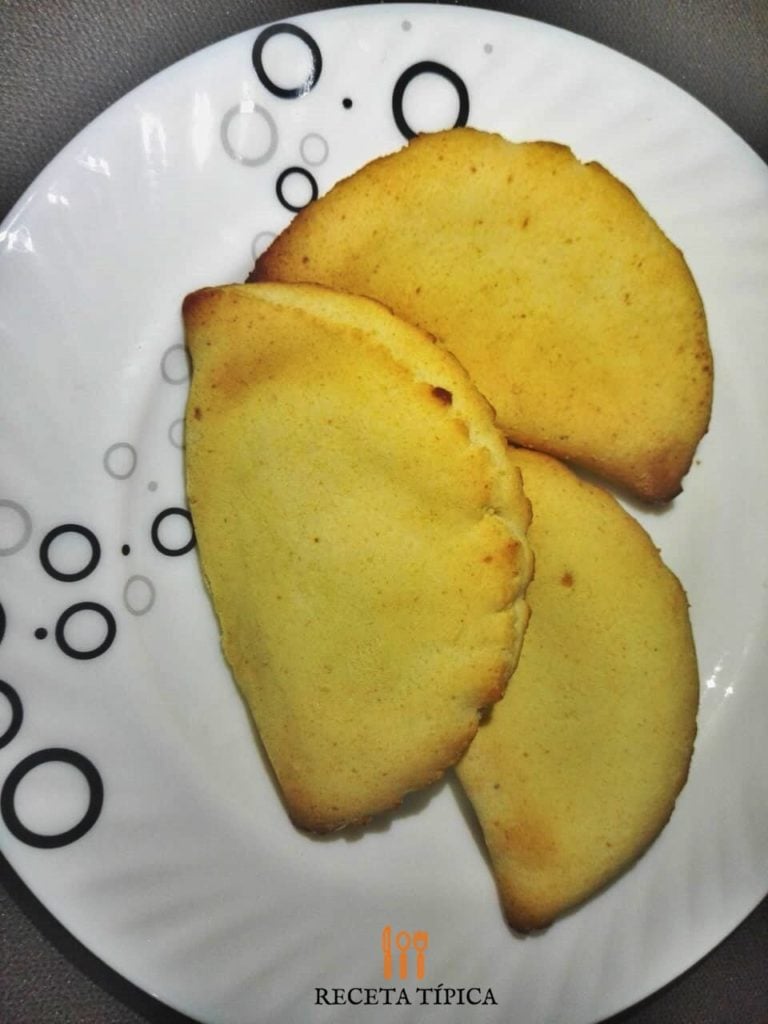
I decided because I have an uncle who lives quite far away, and he loves these empanadas, he's one of those people who change a special lunch for just 1 empanada, I found out he was coming to visit us and wanted to surprise him, so I set out to investigate how I could make them, and that's how I took a risk, I made them and today I do not change mine for one from a bakery.
So let's prepare these delicious Cambray empanadas at home, so you lose the fear and of course the craving. Let's cook.
Frequently Asked Questions
The key to perfect dough is to mix the ingredients well and knead until you get a homogeneous dough. You should not be afraid to knead, as this will help make the dough more flexible and easy to handle. Remember that the dough should be soft, but not sticky. If it's too wet, you can add a little more corn dough.
Yes, of course! Although the traditional recipe uses cassava, honey, eggs, and spices such as cloves and cinnamon, you can experiment with other ingredients. For example, you can try guava candy, which adds a very delicious sweet and sour flavor and complements the white cheese very well. Simply add a line of guava candy before folding the empanadas.
Empanadas are cooked in the oven, at a temperature of 165°C for about 20 minutes. But if you like it crispier, you can leave them a little longer. Just be careful they don't burn. It's also important to place them on a previously greased tray, this will prevent them from sticking and help them acquire a golden color.
Cambray empanadas are delicious as they come out of the oven, but you can also accompany them with any kind of sauce of your choice. A good option is a sweet and sour sauce, which contrasts perfectly with the sweetness of the empanadas.
Yes, you can prepare the dough and filling in advance and store them in the fridge. You can even assemble the empanadas and refrigerate them before baking. This can be helpful if you have guests and want to have everything ready in advance. Just remember to take them out a bit before baking to reach room temperature.
Sweet, and that is what sets them apart. Colombian empanadas are almost always savoury, filled with beef and potato and deep-fried. Cambray empanadas go the other way: sweetened corn dough, cheese and cassava with cinnamon and cloves, baked rather than fried. They are eaten at breakfast or mid-afternoon.
From Bugalagrande, in the Valle del Cauca, and they spread from there through Tuluá and Buga into Caldas around the middle of the twentieth century. Some sources also place a version in Santander. They are regional rather than national, which is why many Colombians have never eaten one.
Worth checking before you shop. In Colombia, miel often means panela syrup rather than bee honey, and the traditional cambray filling is sweetened with panela. Bee honey works and gives a floral note; panela syrup gives the darker, more mineral sweetness the original has.
Queso blanco or queso fresco, sold in most US supermarkets with a Latin aisle. You want a mild, firm cheese that softens without melting into a puddle. Mozzarella melts too much and mild feta is too salty for a sweet dough.
Yes. Assemble them and refrigerate uncooked for up to a day, then bake straight from the fridge, adding a couple of minutes. Baked ones keep two or three days and are better warmed in the oven than the microwave, which softens the outside.
Guava paste is the common alternative: a line of it along the dough before folding. Arequipe also works. Whichever you use, keep the layer thin, because these are folded and pressed closed by hand and an overfilled empanada splits along the seam as it bakes.
Tips and tricks
- Make sure the cassava is well cooked before grating it, this will make the filling smoother and easier to mix with the other ingredients.
- When you fold the empanadas, try to seal the edges well so that the filling does not come out during cooking.
Common mistakes
- Many people tend to fill the empanadas too much, which can cause them to break during cooking. Remember that less is more in this case.
Recommended recipes
If you like Cambray empanadas, I would recommend you try corn arepas, which also use corn dough and cheese, but in a different presentation. Another option could be patacones with hogao, a recipe that uses similar ingredients such as cassava and cheese, but with a different twist, adding fried green plantain and a sauce based on tomato and onion.
📖 Recipe
Ingredients
- 750 g cooked corn dough (masa) (about 1½ lb; the same dough used for arepas and tamales)
- 2 cups honey or panela syrup, or to taste (traditionally panela syrup; bee honey works and tastes more floral)
- 500 g white cheese, grated (about 1 lb; queso blanco or queso fresco, mild and firm)
- 1 kg cassava, peeled and cooked (about 2¼ lb; frozen yuca works and is easier to find in the US)
- 2 eggs
- 1 tablespoon ground cloves
- 1 tablespoon ground cinnamon
Notas
Instructions
- In a bowl, beat the eggs. Add the grated cassava, 1 cup of the honey or panela syrup, the ground cloves and the cinnamon. Stir well and let it rest: this is the filling.
- Separately, mix the corn dough with the remaining honey and the grated cheese, working it until the dough is smooth and even.
- Take small portions of dough and roll them into balls. Put each one between two sheets of plastic wrap and flatten it with a rolling pin into a thin disc, about the thickness of a small arepa. Repeat with the rest.
- Peel off the plastic and spoon the filling onto each disc. Fold the disc over on itself and press the edges firmly to seal. Keep the filling thin: an overfilled empanada splits along the seam in the oven.
- Place them on a baking tray greased with butter.
- Bake at 330 °F (165 °C) for about 20 minutes, until the surface is dry and lightly golden at the edges.
- Take them out and let them rest before eating. They firm up as they cool and the filling is very hot straight from the oven.
Comments
No Comments