
If you're looking for a soup that feels like home and warms you up, Mondongo Soup is the answer. Rich in flavors and textures, it's perfect if you're after a filling and satisfying meal.
This recipe is easy to prepare and can be tailored to your culinary preferences. If you haven't tasted this delicious soup yet, don't wait any longer and give it a try today! Your taste buds will thank you.
The standout ingredient in mondongo soup is beef tripe, which is primary in all versions of this recipe you might come across. Thus, if you find a mondongo without tripe, it's not truly mondongo even if all other ingredients are present.
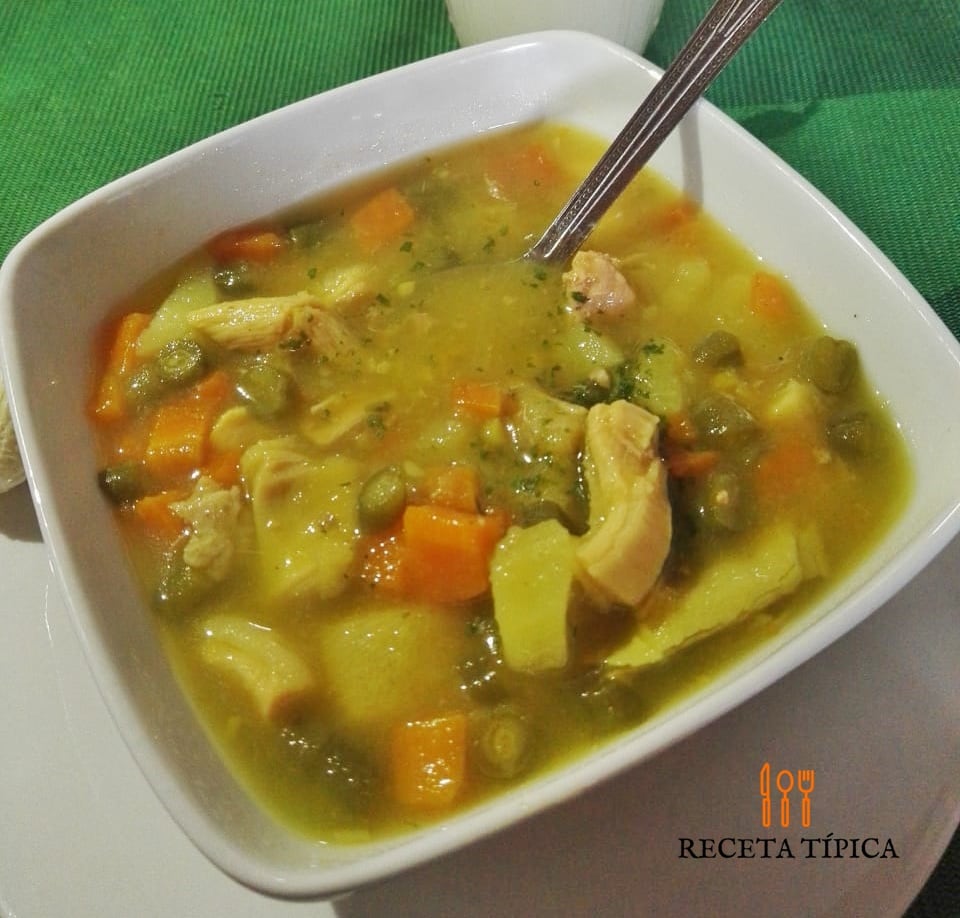
Mondongo Soup
Our recipe is deeply rooted in tradition and made with love. Besides beef tripe, it contains other ingredients that, when combined, create a flavorful and delightful dish.
What sets our mondongo apart from other versions?
We always ensure that the beef tripe is thoroughly washed because, otherwise, this key ingredient will spoil the flavor of our mondongo, making its consumption less enjoyable.
We use simple, precise ingredients to make our mondongo soup a true culinary delight.
We try not to use too many seasonings to ensure the dish isn't overly rich, which might be hard on your stomach later on. We use just the right amount to perfect it.
What exactly is mondongo?
Mondongo is a dish made from beef tripe, complemented with other types of meat, some vegetables, and seasonings. While this dish is a staple in Venezuelan cuisine, over the years, it has become popular in neighboring countries like Colombia.
This dish requires prolonged cooking, especially the beef tripe, as it's somewhat tough. It's best served piping hot to be enjoyed fully.
So, how can we prepare mondongo soup?
First, thoroughly wash the beef tripe using lemon juice and hot water. Once cleaned, cook it in a pressure cooker with water and a bit of baking soda.
Then, drain the water, dice the tripe if you haven't done so earlier, and return it to the pressure cooker. Add chorizo, green peas, green beans, and seasonings like tomato, onion, and garlic. Also, incorporate coloring and a pinch of cumin, then cook with water once more.
Next, add cassava and potatoes and cook until everything is tender. Finally, adjust the seasoning, adding more salt if needed, and sprinkle with finely chopped cilantro. There you have it, a traditional homemade mondongo soup.
What to pair with this soup?
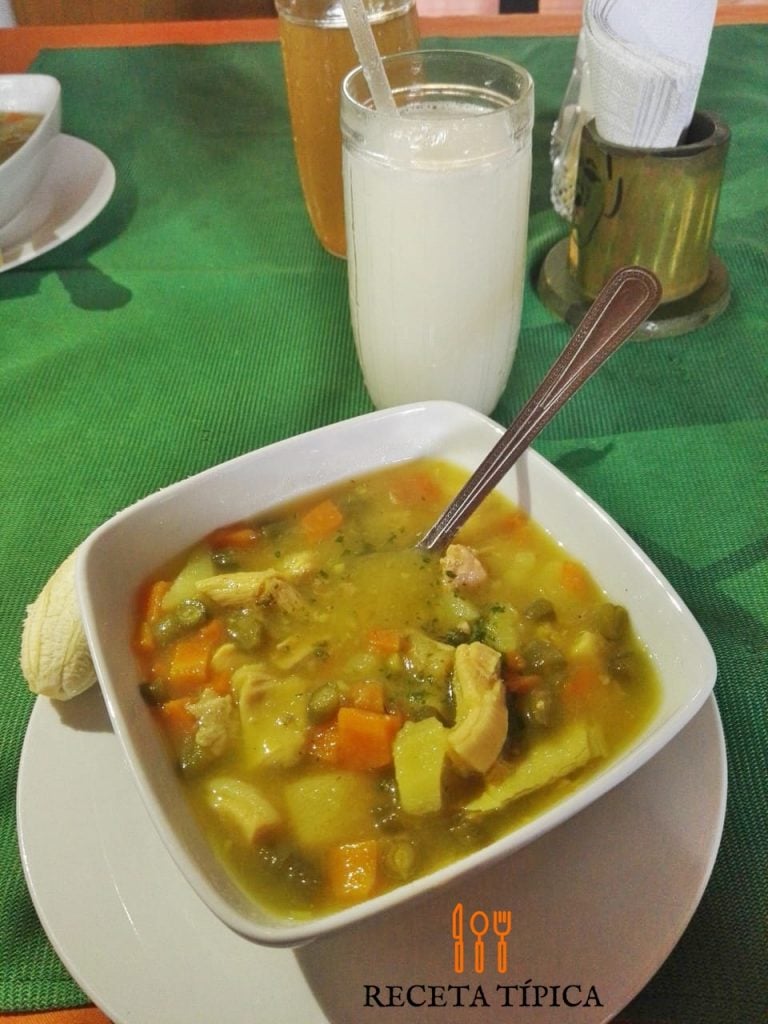
Traditionally, a hearty mondongo is paired with a banana, an unusual yet delightful combination. You can also accompany it with a ripe avocado: you'll love it.
FAQs:
What is beef tripe and where can I get it?
Beef tripe is a part of a cow's stomach. It's typically available at most butchers and supermarkets selling fresh meat.
Why rub lemon on the tripe before cooking?
Lemon is rubbed on the tripe to clean and remove any off-putting smells or tastes. It also helps tenderize the tripe for easier cooking.
What is baking soda, and why add it to the tripe's cooking water?
Baking soda is a common kitchen leavening agent. It's added to the tripe's cooking water to help tenderize it.
Is a pressure cooker essential for this recipe?
It isn't mandatory, but a pressure cooker significantly shortens the cooking time, making the dish ready quicker.
Can I replace chorizos with another meat?
Yes, you can substitute chorizos with chicken, beef, or pork, or omit them for a vegetarian version.
How much water should I add to cover the ingredients?
Ensure there's enough water to cover all ingredients. Typically, the water should be about 2-3 cm above the ingredients.
Can I add other vegetables to the soup?
Absolutely! Options include carrots, celery, squash, corn, and more.
How best to adjust the soup's flavor?
Taste the soup and adjust the seasonings as required. Add salt, pepper, or spices gradually, tasting after each addition until the desired flavor is achieved.
Tips and recommendations
- Thoroughly wash the beef tripe – the key to a good mondongo. You'll know it's clean when there's no lingering strange or unpleasant smell.
- Allow ample cooking time for the tripe since it's tough and requires a while to become tender.
What to know before you start
- Tripe needs rinsing and rubbing with lime or vinegar before it goes in the pot. It is the step that decides how the soup smells.
- It is a long cook. Under pressure it softens in about an hour; in an ordinary pot it takes two or three.
- It is better the next day, once the chorizo and the sofrito have gone through the broth.
Recommended recipes
- Tree tomato juice: Perfect for those looking for a refreshing drink to pair with their mondongo.
- Chickpeas with tripe: If you have leftover beef tripe, use it in this tasty dish.
- Fresh salad: Some like pairing this dish with something light, and a fresh salad is an excellent choice.
Mondongo FAQ
A thick Colombian soup built on beef tripe, cooked with pork, chorizo, cassava, potato and peas until everything is soft. It is associated with Antioquia and the coffee region, where it is weekend food: slow, heavy and made in quantity.
They share the main ingredient and little else. Mexican menudo is built on chilli and hominy and is famously eaten as a hangover cure. Colombian mondongo has no chilli: it is a vegetable-heavy soup with pork and chorizo, seasoned with cumin and cilantro.
Both deal with the same thing. Tripe has a strong smell and a rubbery texture; the lemon scrubs the surface clean, and the baking soda in the first cooking water helps tenderise it and takes the smell down considerably. The first water is drained and discarded for the same reason.
At Latin and Asian butchers, and in many mainstream supermarkets with a butcher counter, sold as beef tripe or honeycomb tripe. Buy it already cleaned and bleached, which is how it is normally sold: it saves a long and unpleasant preparation.
About 45 minutes in a pressure cooker, and considerably longer in a regular pot: two to three hours is normal. It is ready when it is tender enough to cut with the side of a spoon. Undercooked tripe stays rubbery and no amount of seasoning hides it.
Yes, but plan for a long afternoon. Cook the tripe on its own until tender, then follow the recipe from there. Add the potato and cassava near the end, as the recipe says, or they disintegrate while the tripe is still catching up.
White rice, avocado and a wedge of lime, with an arepa on the side. Some people add a spoonful of ají. It is a full meal rather than a starter.
📖 Recipe

Ingredients
- 1 lb beef tripe (about 450 g; buy it cleaned and bleached, sold as honeycomb tripe)
- 1 lemon (for scrubbing the tripe)
- ¼ teaspoon baking soda (tenderises the tripe and cuts the smell)
- 1 tomato, diced
- 3 scallions, finely chopped
- 1 lb pork meat (about 450 g)
- 4 potatoes, peeled and diced
- 1 lb cassava, peeled and diced (about 450 g; frozen yuca works)
- ½ lb green beans, diced
- ½ lb green peas
- 3 chorizos, sliced or diced (Colombian chorizo, fresh not cured)
- ½ teaspoon ground cumin
- 1 garlic clove, chopped
- Salt and pepper, to taste
- Colouring (achiote), to taste (for colour only)
- Fresh cilantro, chopped (the leaf, not the seed)
- Water (enough to cover)
Notas
Instructions
- First, wash the tripe thoroughly so it does not carry its smell into the soup: rinse it in warm water and rub it all over with the lemon.
- Cut the tripe into small pieces and put it in a pressure cooker with water and the baking soda. Cook for about 45 minutes. The baking soda helps tenderise it and takes down the smell. Drain and discard this first water: that is where the smell goes.
- Return the tripe to the pressure cooker and add the diced pork, chorizo, peas, green beans, tomato, garlic, scallions, colouring and cumin. Add water to cover and season with salt and pepper.
- Cook under pressure for another 10 to 12 minutes.
- Release the pressure, add the cassava and potatoes, and cook again for about 15 minutes, until they are soft and starting to break at the edges.
- Open the pot, stir in the chopped cilantro, taste and adjust the seasoning. Serve hot, with rice and avocado.
Comments
No Comments