
Why is this recipe special?
I invite you to prepare these delicious arepas de yuca or cassava arepas, an ideal alternative to replace the traditional corn arepa that frequently consumed at breakfast, lunch, or to accompany other preparations. They are straightforward to prepare and with a minimum of ingredients that you can have in the kitchen.
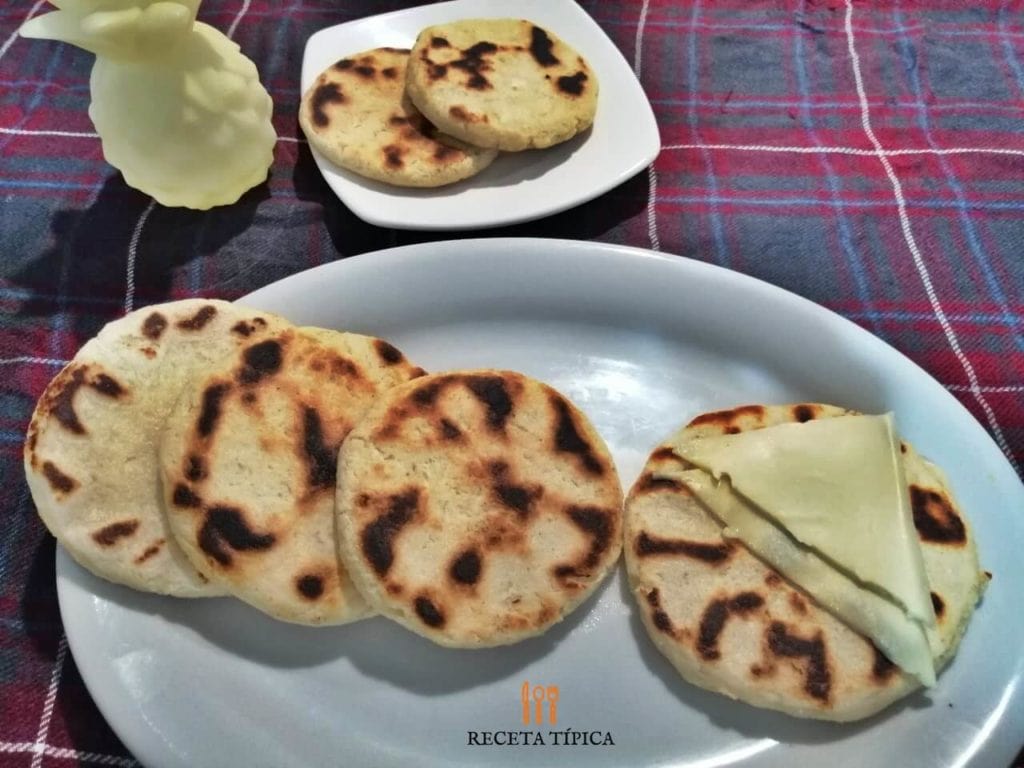
It often heard to say that the arepa is a very original recipe not only from Colombia but also from Venezuela, where it has impregnated in the Creole cuisine and typical of these places, to accompany numerous dishes such as soups, sancocho or the typical bandeja paisa
This recipe is a new version of the arepa, which has a delicious flavor and texture. Precisely the latter makes it unique; when you try it, you can feel the mixture of cassava and cheese, which is a unique taste, very similar to the taste of bonus bread.
What should be taken into account to prepare the recipe for arepas de yuca?

If you like cassava or on the contrary, you have trouble eating it for its flavor; This is an excellent alternative for you to start testing. When prepared with different ingredients such as cheese, salt, and milk, it provides a pleasant taste. When roasted, these flavors mixed to give the arepa a secret touch.
Generally, when I make cassava arepas or arepas de yuca, I choose to use the ones I have frozen for several days, or I also use some fresh ones that I find in the market. It is essential that in the selection of this it is well fixed inside, you can look for a knife and remove the tip, so you can verify that it looks white, without splinters, or black stripes.
The proper point is essential in cooking because if it is not, the dough can become sticky or doughy, and if it is quite hard, it won't be straightforward to scratch it, and when the arepa is made it will feel its texture.
How to make arepas de yuca?

Finally, I hope you are not afraid to make the arepas de yuca and eat them as you prefer, with cheese, hogao, egg, breakfast or snack, with a delicious cup of chocolate.
Remember that you can also prepare traditional arepas.
Receta original en EspañolArepas de Yuca FAQ
The base. A regular Colombian arepa is made from masarepa, precooked corn flour, and water. These are built on boiled cassava, mashed, with only a little masarepa to bind and cheese kneaded through. The result is softer, denser and richer, closer to a cheese bread than to a corn cake.
Some versions do, using only cassava and cheese, but they are harder to handle and more likely to fall apart in the pan. The half cup of masarepa here is doing structural work. If you are avoiding corn entirely, add a little cassava starch instead and expect a stickier dough.
Frozen is easier and works perfectly: it comes already peeled and cored, which is the tedious part. Boil it from frozen until a fork goes in with no resistance. If using fresh, remember to pull out the tough fibrous cord that runs down the centre.
Mozzarella melts and stretches, which is what the recipe assumes. Grated queso blanco or queso fresco is closer to the Colombian original: milder and less stringy. Either works, and they give noticeably different arepas.
So the masarepa absorbs the moisture from the cassava and the milk. Skip it and the dough feels wetter than it really is, tempting you to add more flour, which makes the arepas dry once that hydration finishes happening in the pan.
The cassava was too wet, or the arepa is too thin. Drain the boiled cassava well and let it steam dry for a minute before mashing, and keep them about a centimetre thick. Handle them once they have set on the first side rather than moving them early.
At breakfast with coffee, or alongside a main dish in place of bread. They are substantial enough on their own with butter, and they also take a fried egg on top the way any arepa does.
📖 Recipe
Ingredients
- 1 lb cassava, peeled, cut and cooked (about 450 g; frozen yuca works and comes already peeled and cored)
- ½ cup masarepa (precooked corn flour) (sold as P.A.N. or Areparina in US Latin aisles)
- 3 tablespoons milk
- 2 tablespoons butter, melted
- ½ cup mozzarella or grated white cheese (queso blanco is closer to the Colombian original; mozzarella melts and stretches more)
- A pinch of salt
- Butter, for the pan
Instructions
- Put the cooked cassava in a large bowl and grate or mash it. Drain it well first and let it steam dry for a minute: wet cassava makes a dough that falls apart in the pan.
- Add the masarepa, the milk, the melted butter and the salt. Knead well until everything is incorporated, then let it rest for 5 minutes so the masarepa absorbs the moisture.
- Add the cheese and knead a little more. Roll the mixture into balls and shape them by hand into arepas about 1 cm thick, whatever width you like.
- Melt a little butter in a nonstick pan over medium heat, add the arepas and brown them for 4 to 5 minutes on each side, until golden. Leave them alone until the first side has set: moving them early is what breaks them.
Comments
No Comments