
Rum, cola, lime, ice. The lime is the part people leave out, and it is the part that matters: without it you have a rum and coke, which is a different drink with a different name.
It takes five minutes and there is nothing to cook, so the only things worth getting right are the ratio, the lime and the ice.
Cuba Libre or rum and coke?
They are made from the same two bottles and they are not the same drink.
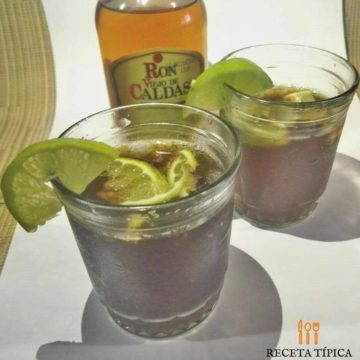
A rum and coke is rum and cola. A Cuba Libre is rum and cola with fresh lime juice through it and a wedge on the glass. That single addition changes the drink: cola is very sweet, and the acid in the lime cuts across it so the finish is clean instead of syrupy. Without it the drink is flabby.
This is worth knowing when you order as well as when you pour. Ask for a rum and coke and you will get exactly that, lime not included.
Where the name comes from
Havana, around 1900. The Spanish-American War had ended in 1898 and Cuba had come out of it independent, and American troops had brought Coca-Cola to an island that already made some of the best rum in the world.
The account kept in the Bacardi archives has a US Army Signal Corps captain putting the two together with a squeeze of lime, and the bar raising a toast: ¡Por Cuba libre!, For a Free Cuba. That had been the rallying cry of the independence fighters, and the drink kept it.
It is one of the few cocktails whose name is a political slogan rather than a description, which is presumably why it stuck.
The ratio in this recipe is strong
Worth flagging before you pour. Two ounces of rum and two ounces of cola per glass is one to one, and most bars build a Cuba Libre at one part rum to two or three parts cola.
Neither is wrong, but they are noticeably different drinks. If yours comes out heavier than you expected, lengthen it with more cola rather than more ice: melting ice dilutes the flavour as fast as it dilutes the alcohol, and you end up with something weak and watery instead of long and cold.
Fresh lime, and plenty of ice
Bottled lime juice is preserved, and preserving it cooks it. In a drink with three ingredients there is nowhere for that dull, slightly stewed note to hide. Squeeze a lime.
Fill the glass with ice rather than dropping in two cubes. It sounds backwards, but more ice means slower melting: a full glass keeps itself cold, while a couple of cubes surrounded by liquid dissolve quickly and water the drink down.
Stir briefly and gently. Cola gives up its bubbles fast, and a flat Cuba Libre is a sad thing.
Which rum, which cola
White rum gives a cleaner, sharper drink. Gold rum adds a note of vanilla and oak. Both are correct and neither needs to be expensive: an aged sipping rum is wasted here, since the cola covers precisely the qualities you paid extra for.
The cola matters more than you would expect. Cane sugar cola, sold in the United States as Mexican Coke, finishes cleaner than the version made with corn syrup. Diet cola does not work: the sweeteners taste thin and metallic against rum and lime, and it is the sugar that gives the drink its body.
Other drinks on the site
- Sangria — wine and fruit, for a longer afternoon.
- Coca-Cola rice — the same bottle, put to a use you were not expecting.
- Lulo juice — if you want something Colombian and without alcohol.
Cuba Libre FAQ
The lime. A rum and coke is rum and cola. A Cuba Libre is rum, cola and fresh lime juice, with a lime wedge on the glass. That is the entire distinction, and it is a real one: the acid cuts the sweetness of the cola and stops the drink tasting flat. Order a rum and coke in a bar and you will not get the lime.
Havana, around 1900. After the Spanish-American War, American troops arrived with Coca-Cola, which met Cuban rum. The story preserved in the Bacardi archives has a US Army captain mixing the two with a squeeze of lime and raising a toast of "¡Por Cuba libre!", For a Free Cuba, which had been the rallying cry of the independence fighters.
Lime, always. Lemon is sharper and more floral and it fights the cola instead of balancing it. This matters more than usual in Spanish-language recipes, where limón normally means lime, and translations frequently get it backwards. Use fresh juice rather than bottled, which has a cooked taste that shows up in a drink this simple.
This recipe pours two ounces of each per glass, which is one to one and strong. Most bars go one part rum to two or three parts cola. If it comes out heavier than you wanted, lengthen it with more cola rather than adding ice, since melting ice waters down the flavour as well as the alcohol.
White or gold, and neither needs to be expensive. White gives a cleaner, sharper drink; gold brings a little vanilla and oak. Aged sipping rum is wasted here, because the cola covers exactly the characteristics you paid for.
More than you would think in a drink with three ingredients. Cola made with cane sugar, sold in the US as Mexican Coke, has a cleaner finish than the high-fructose corn syrup version. Diet cola does not work: the sweeteners taste thin against rum and lime, where sugar gives the drink body.
📖 Recipe
Ingredients
- 4 ounces white or gold rum (about 120 ml; 2 oz per glass)
- 120 ml Coca-Cola (about 4 oz; see the notes, this is a strong ratio)
- 8 ice cubes (4 per glass; fill the glass properly, ice melts slower when there is more of it)
- 4 tablespoons lime juice, or to taste (lime, not lemon: it is what makes this a Cuba Libre)
- 2 lime slices (for the rim of the glass)
Notas
Instructions
- Put 4 ice cubes into each glass.
- Pour 2 ounces of rum into each glass, then two tablespoons of lime juice and 60 ml of Coca-Cola.
- Stir for a few seconds with a spoon. Do not stir hard: the cola loses its fizz quickly and flat cola is what makes a bad Cuba Libre.
- Hang a slice of lime on the rim and serve.
Comments
No Comments