
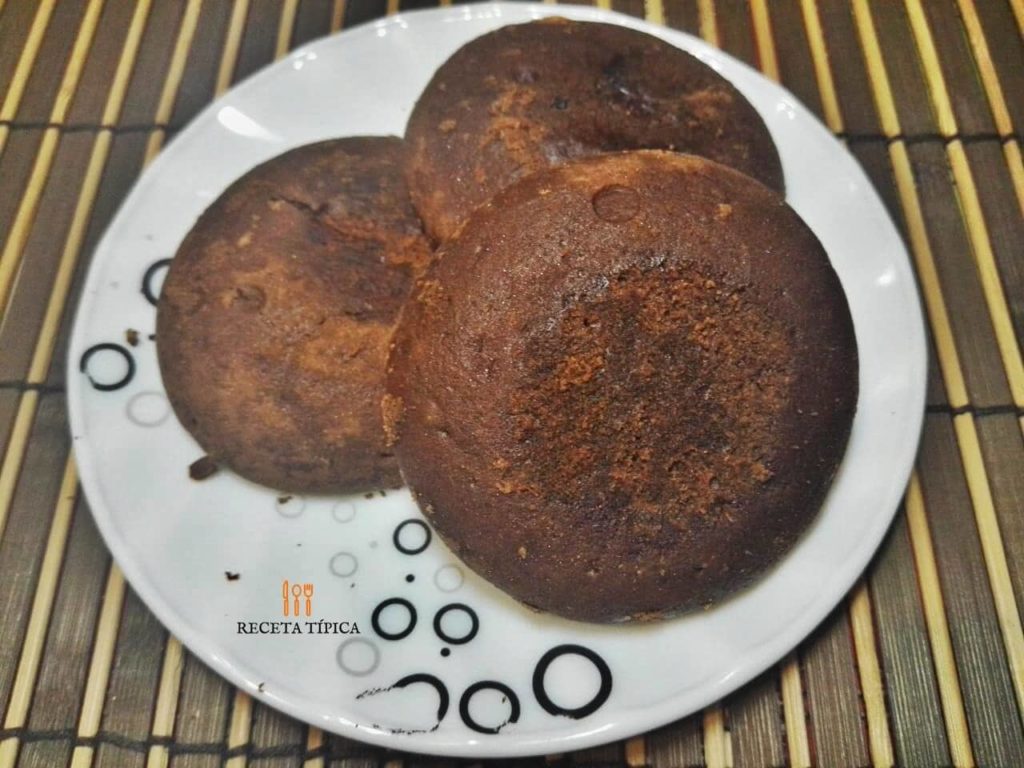
Cucas are the dark, almost black cookies you find in every Colombian bakery, sold by the bag next to the bread. They are chewy in the middle, faintly crisp at the edges, and they taste of clove and cinnamon more than of sugar. What makes them dark is not chocolate or molasses: it is panela, boiled down into a syrup before it ever touches the flour.
A cuca is a Colombian cookie made from wheat flour and a thick syrup of panela boiled with whole cloves, spiced with cinnamon and ginger. It bakes in about 20 minutes and comes out dark, soft and chewy. The dough carries no eggs, which is why cucas keep well for days and travel without crumbling.
Where the cuca comes from
The cuca belongs to the sugarcane country of the Cauca valley and the Pacific coast, where colonial-era mills turned cane into panela and bakers built a whole repertoire around it. The same tradition gave us guava paste and panelitas with coconut.
You will hear it called by other names depending on where you are: galleta del país, galleta negra, liberal, or pera. They are all the same cookie.
The name comes from English
There is a nice turn in the etymology. The words cuca and cuque are thought to come from the American English word cookie, absorbed into Colombian Spanish and reshaped. So a reader in the United States searching for a Colombian cookie is, in a roundabout way, looking at their own word coming home.
The syrup is the whole recipe
Everything that makes a cuca a cuca happens in the first step. The panela dissolves in water with whole cloves over medium-high heat until you have about a cup of dark syrup, and that syrup is what colours the dough, sweetens it and carries the clove through the whole cookie.
It also means the dough behaves differently from a butter-and-sugar cookie dough. It is stickier and darker from the start, and it should be mixed just until it comes together. Kneading it like bread develops the gluten and gives you a hard cookie instead of a chewy one.
Can you replace the panela with another sweetener?
Traditionally cucas are made with panela, and it is worth looking for it: Latin grocery stores carry it, and Mexican piloncillo is the same product under another name. If you genuinely cannot find either, dark brown sugar plus a teaspoon of molasses gets close on both colour and flavour.
Plain white sugar will not work here. It gives you the sweetness but none of the mineral, slightly smoky depth that panela brings, and the cookies come out pale instead of black.
How they are eaten in Colombia
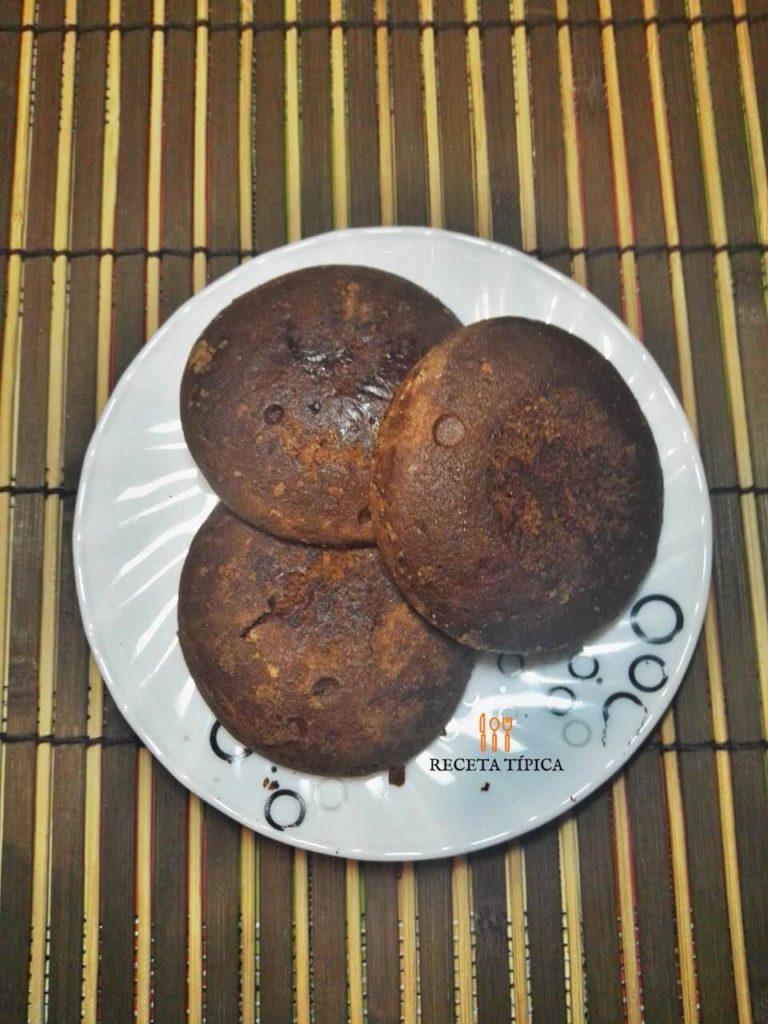
With a cold glass of milk, or with coffee in the afternoon. They are sturdy enough to dunk, which is half the point. They also go well alongside cornstarch pudding for something more substantial.
Original recipe in Spanish
Cuca Cookies FAQ
More biscuits
- Solteritas — the other biscuit tin classic.
A dark, chewy Colombian cookie made with wheat flour and a syrup of panela boiled with cloves, then spiced with cinnamon and ginger. It contains no eggs. Depending on the region you will also hear it called galleta del país, galleta negra, liberal or pera: all the same cookie.
From English. The words cuca and cuque are thought to derive from the American English cookie, taken into Colombian Spanish and reshaped over time. The cookie itself is older than the name and comes from the sugarcane country of the Cauca valley and the Pacific coast.
Piloncillo is the same product and sells in any Mexican or Latin grocery. Failing that, dark brown sugar with a teaspoon of molasses comes close on colour and flavour. Do not use white sugar: you lose the dark colour and the mineral depth that makes a cuca taste like a cuca.
Usually too much mixing or too much oven. This dough should be worked only until it comes together; kneading it develops gluten and turns the cookie tough. And cucas keep firming up as they cool, so pull them when the edges are set but the centres still look slightly soft.
Whole cloves, the spice, and they go into the syrup rather than the dough. They infuse the panela as it dissolves and are what gives cucas their particular warmth. The cinnamon and the ginger, by contrast, go in ground and straight into the flour.
Several days at room temperature in a closed tin, and they are one of the few cookies that arguably improve on day two, as the spice settles. Having no eggs in the dough is what makes them keep so well, which is also why they were a travelling cookie to begin with.
With cold milk or with afternoon coffee, and they are firm enough to dunk without falling apart. They are an everyday bakery cookie rather than a special-occasion sweet: sold by the bag, next to the bread.
📖 Recipe
Ingredients
- ½ cup water
- 250 g panela, chopped small or grated (about 9 oz; piloncillo is the same thing, or dark brown sugar plus 1 teaspoon molasses)
- 5 whole cloves (the spice, not garlic)
- 2 cups all-purpose flour (sifted)
- ½ teaspoon ground cinnamon
- ½ teaspoon ground ginger
- 4 tablespoons salted butter (if using unsalted, add ½ teaspoon salt to the dough)
- ½ teaspoon baking soda
- 2 tablespoons oil (for greasing the baking sheet)
Notas
Instructions
- Make the syrup. Put the water, the panela and the whole cloves in a pot over medium-high heat and stir until the panela has dissolved completely. You should end up with about a cup of dark syrup. Let it cool slightly and fish out the cloves.
- Preheat the oven to 350 °F (180 °C).
- Sift the flour and mix it with the cup of syrup, the ground ginger, the cinnamon, the butter and the baking soda. Work it just until it comes together into a dough: do not knead it, or the cookies turn hard instead of chewy.
- Grease a metal baking sheet with the oil.
- With floured hands, roll small balls of dough and set them on the tray. Flatten each one with your fingers or the back of a fork until it is round and about ½ cm (¼ inch) thick.
- Repeat with the rest of the dough, leaving room between them: these cookies spread as they bake.
- Bake for about 20 minutes, until the edges are set and the surface looks dry. They will still feel soft in the middle, and that is right.
- Take them out, lift them off the tray and let them cool. They firm up as they cool and keep firming for the first hour.
Comments
No Comments