Boiling is the simplest way to make water safe to drink. What matters is a rolling boil sustained, not the total time the pot spends on the stove, and altitude changes the figure.
The rolling boil is what counts
Water reaches boiling point and then stays there no matter how much longer you heat it. Extra minutes on the stove do not make it hotter; they only make it smaller.
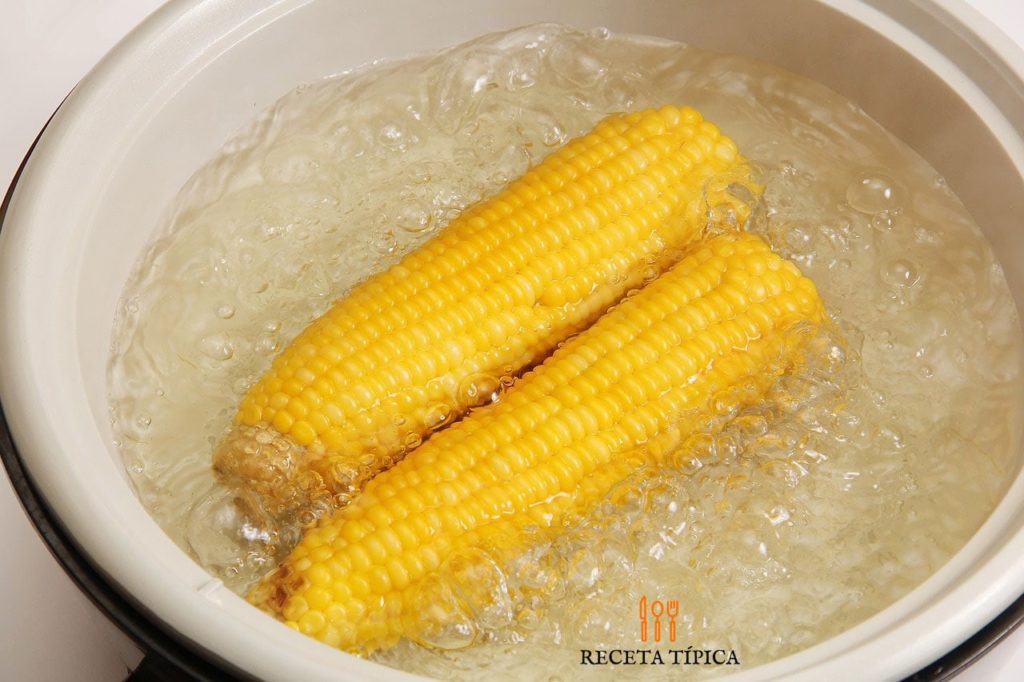
So the useful measure is not how long the pot has been on the heat but how long the water has been at a full rolling boil, one that keeps bubbling hard when you stir it. Standard public health guidance is one minute at that state, and three minutes above about 2,000 metres.
The original instruction here mixed two different things together: boil for ten minutes, or until it bubbles, and then keep it there for four more. Ten minutes is roughly how long a litre takes to get there. The minutes that matter come after.
Altitude, which matters in Colombia
Water boils at 100°C at sea level and at lower temperatures the higher you go, because there is less air pressing down on it.
Bogotá sits at 2,600 metres and water boils there at around 92°C. Medellín is lower, Cartagena is at sea level. That eight-degree difference is why the guidance changes above 2,000 metres: the water is doing the same job at a lower temperature, so it needs longer.
It is the reason a Bogotá kitchen and a Cartagena kitchen are not following the same clock.
What boiling does and does not do
It deals with living things: bacteria, viruses, parasites and their eggs. That covers most of what makes water from an old pipe or a rural aqueduct unsafe.
It does nothing about chemical contamination, heavy metals, pesticides or salt. Worse, because boiling evaporates water, it can slightly concentrate whatever chemical is present.
It also does not clear sediment. Cloudy water should be filtered through a clean cloth first, both because particles can shelter organisms from the heat and because nobody wants to drink it.
After it cools
Let it come down to room temperature and then store it covered, in a clean container with a lid.
This is the step that gets skipped and it undoes everything. Water that has been boiled and then left standing open in a jug that was not clean is water that has been recontaminated, and there is no way to tell by looking.
More basics
- Boiled eggs — the first thing to do with it.
- Colombian coffee — made with aguapanela.
- Colombian white rice — measured against it.
- Colombian limonada — once it has cooled.
Boiling Water FAQ
What counts is the rolling boil, not the total time on the stove. Public health guidance is a rolling boil sustained for one minute, and three minutes above about 2,000 metres.
Because water boils at a lower temperature the higher you are. At sea level it boils at 100°C; in Bogotá, at 2,600 metres, at around 92°C. Lower temperature means it needs longer to do the same job.
No. Boiling deals with bacteria, viruses and parasites. It does nothing about chemical contamination, heavy metals or sediment, and by evaporating water it can actually concentrate some of them.
Filter it through a clean cloth first. Boiling cloudy water leaves it cloudy, and suspended particles can shield organisms from the heat.
Covered, in a clean container with a lid. Water left open in an unclean container can be recontaminated after boiling, which undoes the point of it.
It keeps bubbling hard even when you stir it. Small bubbles rising from the bottom are not there yet.
📖 Recipe

Ingredients
- 1 liter tap water
Notas
Instructions
- Put the water on over medium heat and bring it to a full rolling boil, one that keeps bubbling hard when you stir it. That takes about 10 minutes for a litre.
- Keep it at that rolling boil for a few minutes more. Then take it off the heat and let it cool to room temperature.
Comments
No Comments