
Cassava is an excellent option to use it in the way that most provokes you; because of its texture and flavor, you can include it in any recipe such as soups, chips, or in the famous sancocho, which is the main ingredient.
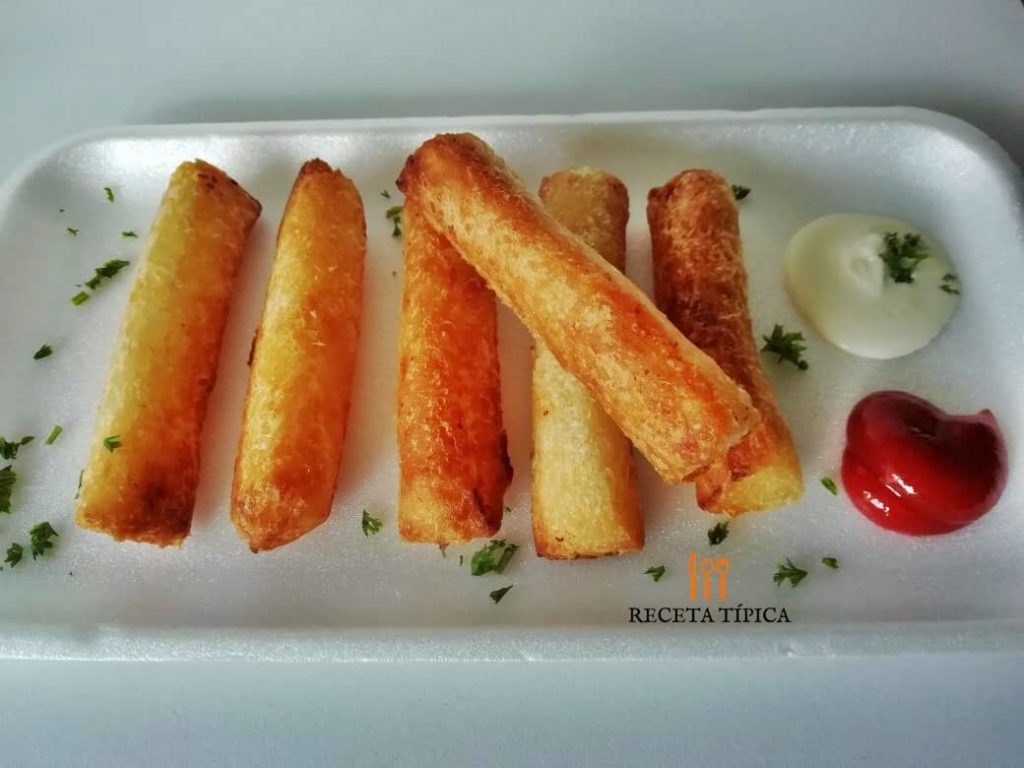
Today we will use cassava to make a Colombian recipe quite easy to prepare and, in a short time, the famous cassava croquette. Cassava is part of the cuisine of our country; for a long time, by flavor, it integrates quite a variety of dishes.
The croquettes made from cassava, which the first cook, then processed to puree, salt is added, it is dough to shape, passed through the scrambled egg and battered bread flour to Fry it in hot oil finally. It can serve with the desired sauce.
Can I make them with filling?
Cassava croquettes usually made of a small and shaped, circular, or oval size. However, over time when it becomes popular and to increase its flavor, sweet fillings such as snack, ripe, or salted plantain pieces have added as cheese, ground beef, chicken, or vegetables.
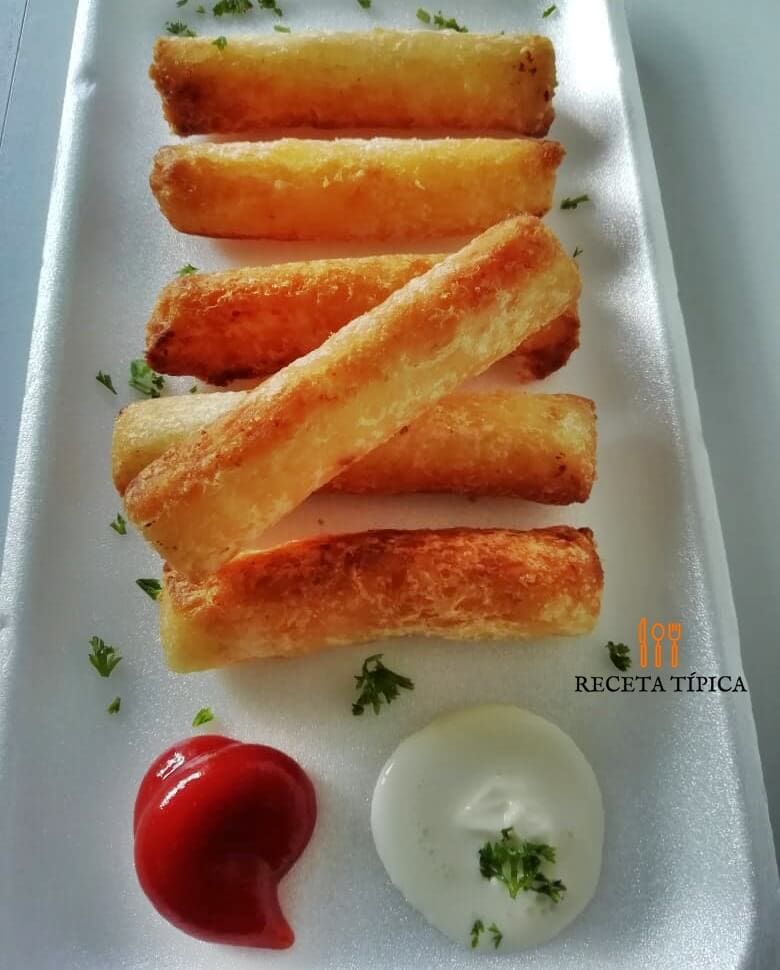
I like it both ways, but today we will prepare them in a simple way and in less time. When I make them stuffed, I choose to use some ingredients that I have left from other preparations, such as chopped chicken, pork rinds, or cheese or.
I hope you can prepare these delicious cassava croquettes following the step by step recipe, they are delicious, and everyone at home will love it.
Accompany these delicious cassava croquettes with homemade tomato sauce or barbecue sauce.
Receta original en EspañolYuca Croquettes FAQ
More cassava
- Yuca fries — the same root, cut into chips.
Yes. Yuca, cassava and manioc are the same root under three names. In the United States you will find it as yuca in Latin markets and as cassava in larger supermarkets, fresh or frozen. Frozen yuca is already peeled and cored, which saves the most tedious part of this recipe.
Look for firm roots with clean white flesh where the skin is nicked. Reject any with grey or black streaks running through the flesh, or with a woody, stringy texture: those are past their best and no amount of boiling fixes them. Frozen yuca avoids the problem entirely.
Yuca has a tough fibrous cord running down its centre, which stays hard however long you boil it. Split the peeled root lengthways and pull it out before cooking. Leaving it in is the reason some croquettes have a stringy bit in the middle.
Because the yuca was still warm when you mashed it. Warm cassava turns sticky and elastic as it is worked, and no amount of extra cornstarch recovers it. Let the boiled yuca cool completely first: it mashes into a dry, workable dough instead.
Yes, and cheese is the usual choice: a cube of queso fresco or mozzarella pressed into the centre before shaping. Keep the filling small and the dough sealed all round, or it escapes into the oil. They can also be made plain, which is how they are most often sold in Colombia.
You can, at around 400 °F (200 °C) until golden, turning once, and they will be lighter. They will not be the same thing: the crust from frying is thinner and crisper, and it is what makes a croquette a croquette. Brush them with oil if you bake them.
With ají, the Colombian chilli and cilantro sauce, or with garlic sauce. They are eaten as a snack or an appetiser rather than as a side, usually straight from the pan while they are still too hot to hold comfortably.
📖 Recipe

Ingredients
- 2 medium cassava (yuca) (about 1½ lb / 700 g total; frozen yuca works and comes already peeled and cored)
- 1 tablespoon cornstarch
- 2 tablespoons lime juice (lime, not lemon)
- ½ cup breadcrumbs
- 1 garlic clove
- 1 egg, beaten
- Cumin, pepper and salt, to taste
- Oil, for frying (enough to come halfway up the croquettes)
Notas
Instructions
- Peel the cassava, cut it into pieces and pull out the tough fibrous cord that runs down the centre of each piece. It never softens, however long you boil it.
- Put the cassava, garlic, lime juice and salt in a pot and add water until everything is covered.
- Boil over medium-high heat for about 25 minutes, until a fork goes into the cassava with no resistance.
- Drain it and let it cool completely. This matters: warm cassava turns gummy and elastic as you mash it. Once cold, mash it with a fork or process it, add the cornstarch and work it into a dough that no longer sticks to your hands.
- Take a portion of the dough, shape it, roll it through the beaten egg and then the breadcrumbs. Fry in hot oil until golden on both sides, then lift out and drain on paper towels.
- Serve hot, with ají or whatever sauce you like.
Comments
No Comments