
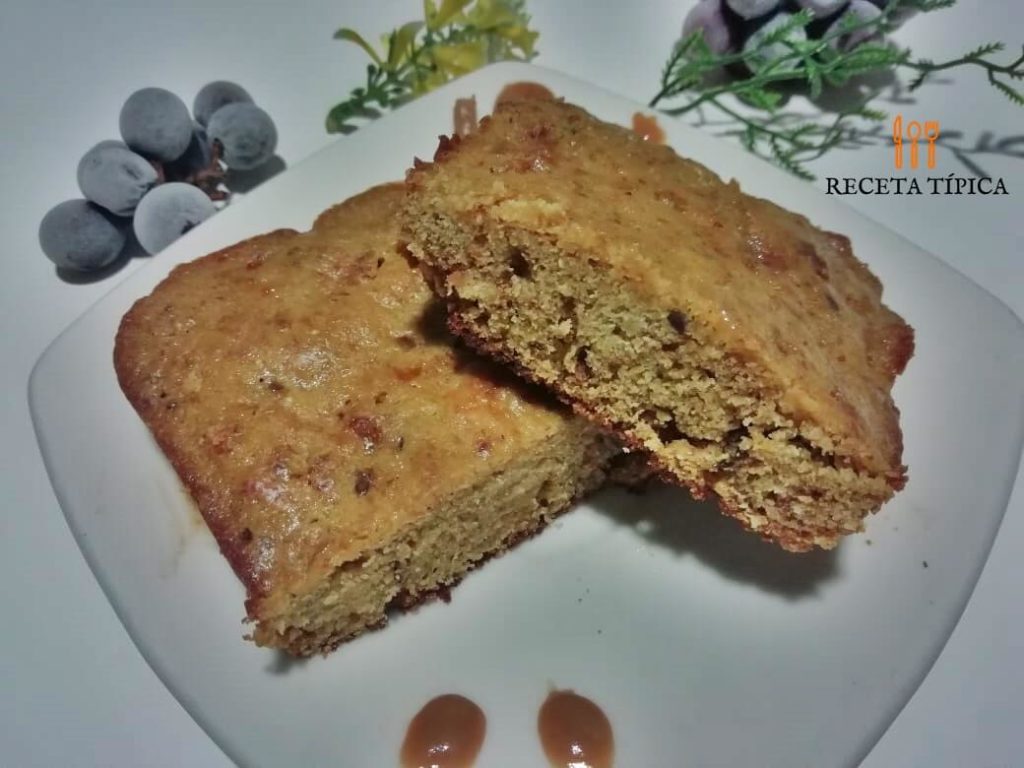
I love this bread cake recipe since it is possible to make it with leftover bread at home, and instead of sending it to the trash, the best option was to try this preparation, and it has been an excellent option to make a rich, soft cake and sweet.
Can we use any bread?
This recipe is ideal since it has no limits when using any bread that we have at hand, it is even quite popular to take advantage of the one that is already old or hard and that nobody would dare to eat.
It is necessary to remember many grandmothers because they used large quantities of bread, which they had in the kitchen. They even used hard breads that they gave them in coffee shops or pastries to prepare cakes at home with texture, smell, and taste unmatched.
Thus, to make the bread cake, we must not discriminate any ingredient because some sweet, salty, hard, or soft breads can use. Each of these gives it a special touch thanks to its initial salt or sweet taste.
What should highlight this bread cake?
As I said before, any bread can use, but the critical thing to keep in mind is that it must cut very well so that it was in small pieces.

It is also essential that it soaked in the amount of milk indicated in the preparation, since this alone is crumbling, and this will be the final and ideal texture to make the cake.
It is also essential to add raisins to the mixture, since this is traditionally an ingredient that contributes to the fruit, however, you can use other elements such as a sandwich in pieces, candied fruit or chocolate pieces.
Prepare a delicious homemade pizza or auyama cake.
Original recipe in SpanishBread Cake FAQ
More baking
- Mantecadas — the small ones.
- Baguette — the loaf this recipe uses stale.
Plain white bread that has gone properly stale: baguette, bread rolls, sandwich loaf. Dry bread soaks up the milk without collapsing into paste, which is the whole point. Avoid anything strongly flavoured, like rye or sourdough, and skip brioche, which is already too rich.
A day or two old, dry enough that it is unpleasant to eat but not rock hard. Fresh bread turns to mush in the milk and the cake never sets properly. If yours is still soft, spread the pieces on a tray and dry them in a low oven for fifteen minutes.
Close relatives. The technique is the same, but this version is denser and firmer, closer to a cake you slice than to a spoonable pudding, and the condensed milk makes it noticeably sweeter. It is also served cold, not warm with sauce.
Either it needed longer in the oven or it was cut too soon. Test with a skewer in the centre: it should come out clean and dry. Then let it rest at least an hour before slicing, because it keeps setting as it cools and cutting it warm collapses the middle.
You can, and the cake will be less sweet and slightly less dense. Add a little more sugar and an extra splash of milk to compensate. What you lose is the caramel note the condensed milk gives, which is a fair part of the flavour.
Raisins are traditional, and dried fruit or chopped nuts all work. Grated orange or lemon zest lifts it, and a splash of rum with the raisins is common. Whatever you add, fold it in at the end so it stays distributed rather than sinking.
Three or four days covered in the fridge, and it firms up further as it sits. It is a cake that arguably improves on the second day, once the bread has finished absorbing everything and the texture evens out.
📖 Recipe
Ingredients
- 600 g stale bread (about 1⅓ lb; plain white bread, a day or two old)
- 100 g butter, melted (about 7 tbsp)
- ¾ cup sugar
- 1 liter milk (about 4¼ cups)
- 4 eggs
- 200 g condensed milk (about ⅔ cup)
- 1 teaspoon vanilla extract
- 2 teaspoons baking powder
- ½ teaspoon salt
- Raisins or chopped nuts, to taste
Instructions
- Chop the bread into small pieces and put it in a bowl with the milk. Let it soak for about 30 minutes, stirring now and then, until it has absorbed all the liquid and falls apart when pressed.
- Add the rest of the ingredients one at a time, in this order: eggs, butter, sugar, condensed milk, baking powder, vanilla and salt, and finally the raisins or nuts. Keep stirring as you add each one so the mixture stays even.
- Preheat the oven to 285 °F (140 °C) and prepare a tin or baking dish, greased with butter or lined with parchment paper.
- Pour the mixture into the tin and bake for an hour. To check it, push a skewer or toothpick into the centre: if it comes out clean and dry, it is done.
- Take it out and let it rest for at least an hour before slicing. It carries on setting as it cools, and cutting it warm collapses the middle. Serve cold.
Comments
No Comments