
A kilo of potatoes boiled in their skins, peeled hot and mashed with butter, cream, hot milk and a full cup of parmesan. Half an hour, six servings.
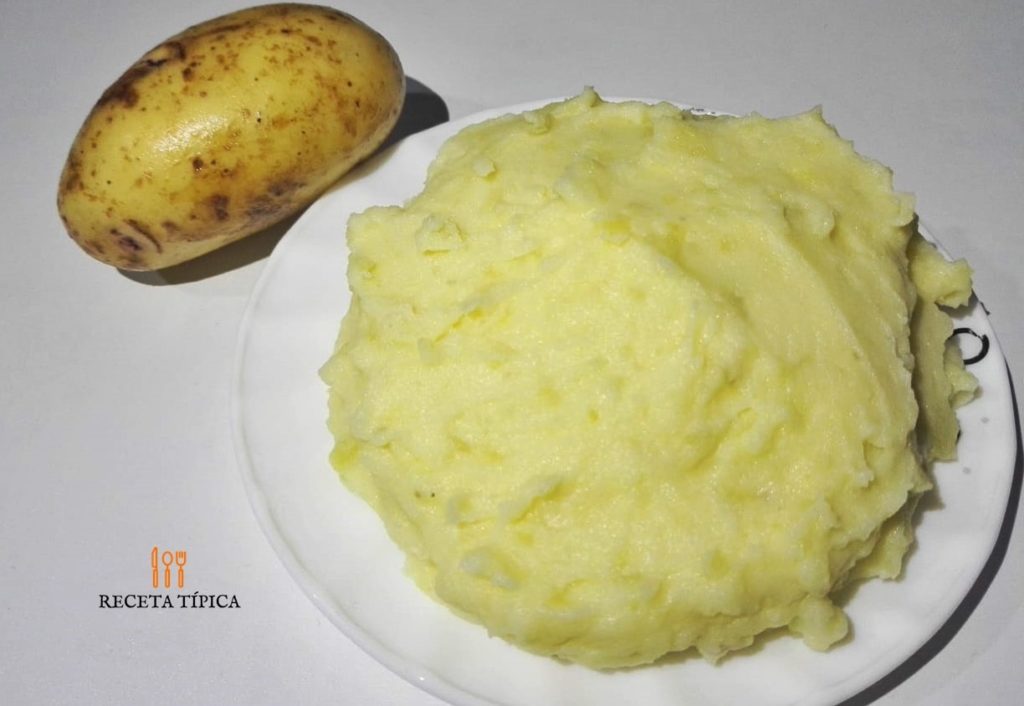
Hot milk, always
Of everything on this page, this is the one that changes the result most and costs the least.
Two hundred millilitres of milk poured cold into hot mashed potato drops the temperature of the whole bowl. Starch that cools while it is being worked sets, and the mash turns stiff and pasty as you stir, which people usually blame on the potato.
Warm it in a pan or in the microwave while the potatoes are boiling. The mash stays loose, takes the cream and the cheese without fighting, and arrives at the table hot.
Skins on in the pot
The first step puts whole potatoes into two litres of salted water, and the second peels them afterwards, which sounds like the hard way round.
It is the right way round. A peeled and cubed potato has all of its surface exposed to boiling water and absorbs a good deal of it, and that water is still there when you mash. Wet mash is the most common problem with this dish and it starts before the potato is out of the pot.
Peel them hot, holding them in a folded cloth. The skin comes away in strips.
Never a machine
A masher or a fork, and nothing with a motor.
Potato cells are full of starch granules. Crushing them releases some of that starch, which is what makes mash creamy. Whipping them at high speed releases all of it at once, and the result is a grey elastic paste with the texture of glue.
It happens in about ten seconds and there is no way back from it.
The parmesan is the Colombian part
A cup of grated parmesan through a kilo of potatoes is not how mash is made in most places, and it is what this recipe is for.
It goes in last, after the cream and the milk, so it melts into an already smooth mash rather than being worked in. And it brings its own salt, which is why the seasoning is adjusted at the end rather than at the start.
Parsley, crisp bacon or spring onion on top are all normal. So is eating it as it is, next to a piece of grilled meat.
More potato
- Papas rellenas — the same mash, fried.
- Potato croquettes — and another use for it.
- Ensalada rusa — potato served cold.
- Grilled chicken breast — what it goes beside.
- Alfredo potatoes — in a cream sauce instead.
Mashed Potatoes FAQ
Because cold milk drops the temperature of the potato, and mash that cools while being mixed goes stiff and pasty. Warming the milk first is the single easiest thing you can do to improve it.
Because the skin keeps the cooking water out. Peeled and cubed potatoes absorb water as they boil and the mash comes out wet, which no amount of butter fixes. Hold them in a cloth to peel; the skin comes off in strips.
No. Potato worked in a machine releases its starch and turns to glue in seconds, and it is not recoverable. A masher, a ricer, or a fork.
A floury variety. Waxy potatoes hold their structure and resist mashing, which gives a lumpy, gummy result however hard you work at them.
It is generous, and it is what makes this version what it is. The cheese is doing the seasoning as well as the flavour, so hold back on the salt until after it goes in.
It reheats over low heat with a splash more hot milk stirred through. It will never be quite as light as it was the first time.
📖 Recipe

Ingredients
- 1 Kg potatoes (a floury variety; waxy ones go gluey)
- 1 cup parmesan cheese (grated)
- 200 ml hot milk (hot, not cold)
- 50 g cream (about 3 tablespoons)
- 2 liters water (for boiling)
- 2 tablespoons butter
- Salt and pepper to taste
Notas
Instructions
- Put the potatoes in a pot with 2 litres of water and salt to taste. Bring to a high heat, and once it boils, turn it down, cover and cook for 15 to 20 minutes, until a knife slides easily into a potato.
- Drain and peel them while they are still hot.
- Put them in a bowl and mash them with the butter, using a masher or a fork.
- Add the cream for smoothness and stir.
- Add the hot milk and mix it in.
- Last, add the parmesan, salt and pepper to taste, and stir again until everything comes together.
- You can finish it with parsley, cooked bacon or whatever you like.
Comments
No Comments