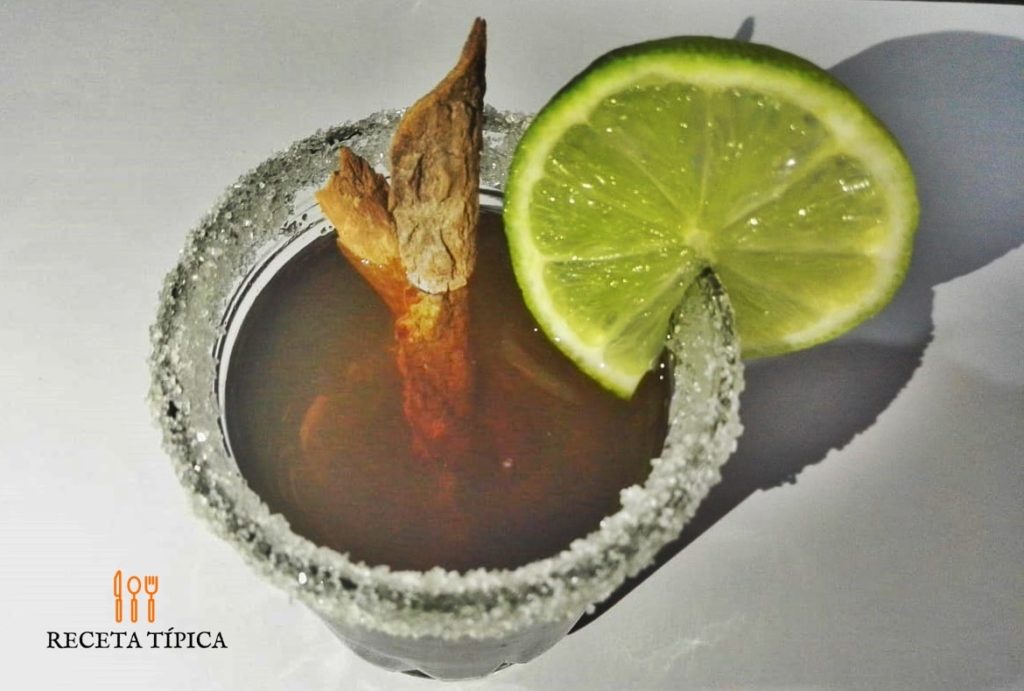
Panela and cinnamon boiled in water, taken off the heat and cut with a cup of aguardiente. Ten minutes, six cups, and a drink that belongs to cold Andean nights rather than to the tropics.
A drink for the cold, not the heat
Canelazo belongs to the high Andes. Bogota sits at 2,600 metres and Quito at 2,850, and both are cold and wet in a way that surprises people who expect the tropics. This is what gets handed round on those evenings.
It is street food as much as anything: sold in plastic cups outside December parties, at fairs, at bullrings. Two cups of water, a block of panela, three cinnamon sticks and a cup of aguardiente makes six servings, and nothing about it is complicated.
Colombian or Ecuadorian
Both countries claim it and both are right, but the drinks are not identical, and the difference is in the bottle rather than the pot.
Colombian aguardiente is distilled from sugar cane and flavoured with anise. That aniseed sits underneath the cinnamon and is what a Colombian expects a canelazo to taste like. The aguardiente traditionally made in Ecuador is not anise-flavoured, so their version comes out cleaner and lets the cinnamon and panela stand alone.
This recipe is the Colombian one. Use an anise aguardiente and it will taste the way it does in Bogota.
The one with fruit has another name
A lot of people arrive looking for the canelazo made with naranjilla, the sharp orange fruit that Colombians call lulo. That drink exists and it is very good, but it is not called canelazo.
It is a naranjillazo: the same preparation with the water swapped for naranjilla juice. It is especially popular in Ecuador, where the fruit grows in the Amazon foothills. If that is what you are after, the name to search for is naranjillazo.
The aguardiente goes in off the heat
This is the only way to get the drink wrong and it is easy to do.
Alcohol boils at 78°C, water at 100°C. Pour the aguardiente into a pot that is still on the flame and it starts leaving immediately. Give it a minute or two of boiling and most of it has gone.
So: dissolve the panela, take the pot off the heat, then stir the aguardiente in. The drink stays hot enough to warm your hands and keeps everything it was made for.
The sugared rim
The fourth step is worth the two minutes. Run a cut lime around the rim of the glass, spread sugar on a flat plate, and press the wet rim into it.
Let it dry before pouring. A rim done at the last second slides off into the drink, and one done while the pot is still heating sets hard and stays where it is put.
More hot drinks
- Aguapanela — the same drink without the aguardiente.
- Colombian coffee — also made with panela.
- Colombian hot chocolate — with cheese in it.
- Lulo juice — the naranjilla, cold.
- Guarapo and guandolo — panela, fermented instead of warmed.
- Caspiroleta — warm, with egg in it.
Canelazo FAQ
A hot drink of water boiled with panela and cinnamon and then cut with aguardiente. Canela is Spanish for cinnamon, which is where the name comes from. It is drunk in the cold Andean cities of Colombia and Ecuador.
Mostly the aguardiente. Colombian aguardiente is made from sugar cane and flavoured with anise, so the drink carries a distinct aniseed note; the Ecuadorian spirit traditionally is not anise-flavoured, so theirs tastes cleaner and more of the cinnamon.
That is a different drink. When the water is replaced with naranjilla juice, which Colombians call lulo, it is called a naranjillazo. It is very popular in Ecuador, where naranjilla is local, but it goes by its own name.
Because alcohol boils off well below water. Add it to a pot still on the flame and you are left with sweet cinnamon water, which is pleasant but is not a canelazo.
Yes, and it has its own name: agua de panela con canela. Stop after the second step and drink it hot. It is what gets given to children and to anyone with a cold.
Dark brown sugar or piloncillo, in roughly the same weight. Panela is unrefined whole cane sugar and it brings a smoky, molasses depth that white sugar cannot.
One cup of aguardiente across six servings, so a little over an ounce each. It is a warming drink rather than a strong one, which is the point when it is drunk outdoors in the cold.
📖 Recipe

Ingredients
- 2 cups water
- 87 g panela (about 3 oz, a small block, chopped or grated so it melts faster)
- 1 cup aguardiente (anise aguardiente is what makes it the Colombian version)
- 3 cinnamon sticks
- The juice of one lime
- 1 lime (for rimming the glasses)
- Sugar to decorate the glass
Notas
Instructions
- In a pot, place the water, wash the panela and add it to the pot along with the cinnamon and the lime juice.
- Let it boil until the panela has dissolved completely, then remove from the heat.
- Add the aguardiente to the panela water off the heat and mix well with a wooden spoon. Adding it away from the flame keeps the alcohol in the drink.
- To serve, run a piece of lime around the rim of the glass, then spread sugar on a flat plate and press the mouth of the glass into it so the rim coats evenly. Let it dry for a few minutes and pour. You can do this while the drink is heating.
Comments
No Comments