
Roscones are very traditional sweets here in Colombia, found in almost any bakery, whether filled with dulce de leche (arequipe) or guava paste (bocadillo). Each has its own fans. Who hasn't enjoyed one by itself or with a cup of milk?
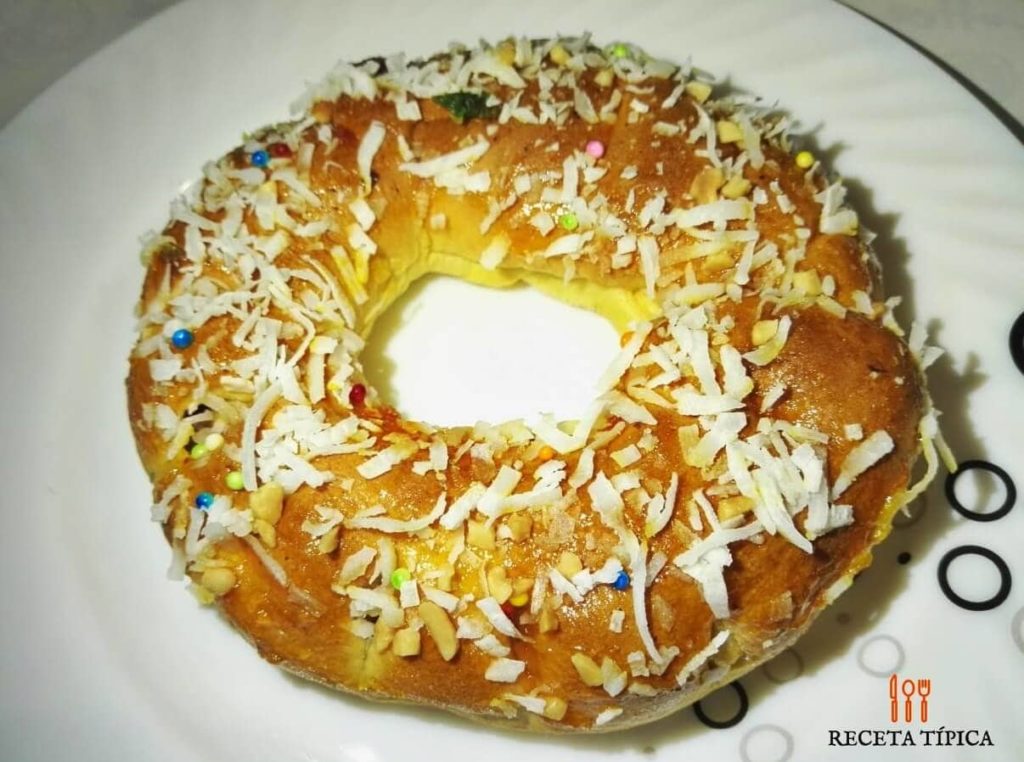
I recall as a child, this was my frequent craving, and when not churros, it was roscones filled with dulce de leche and a cup of milk, my favorite dessert after church. Due to my work hours, I don't indulge in them as often. After long workdays, I usually rest whenever I get a break.
But now there's no excuse not to relish a roscon, as my journey in the culinary world has taught me many recipes, including this delightful treat. I often prepare it, making it my favorite treat during a long workday.
On Sundays when we gather at my or my grandmother's house, after church, along with my youngest aunt, we prepare these roscones both with guava paste and dulce de leche. I wouldn't trade those laughs and chats for anything.
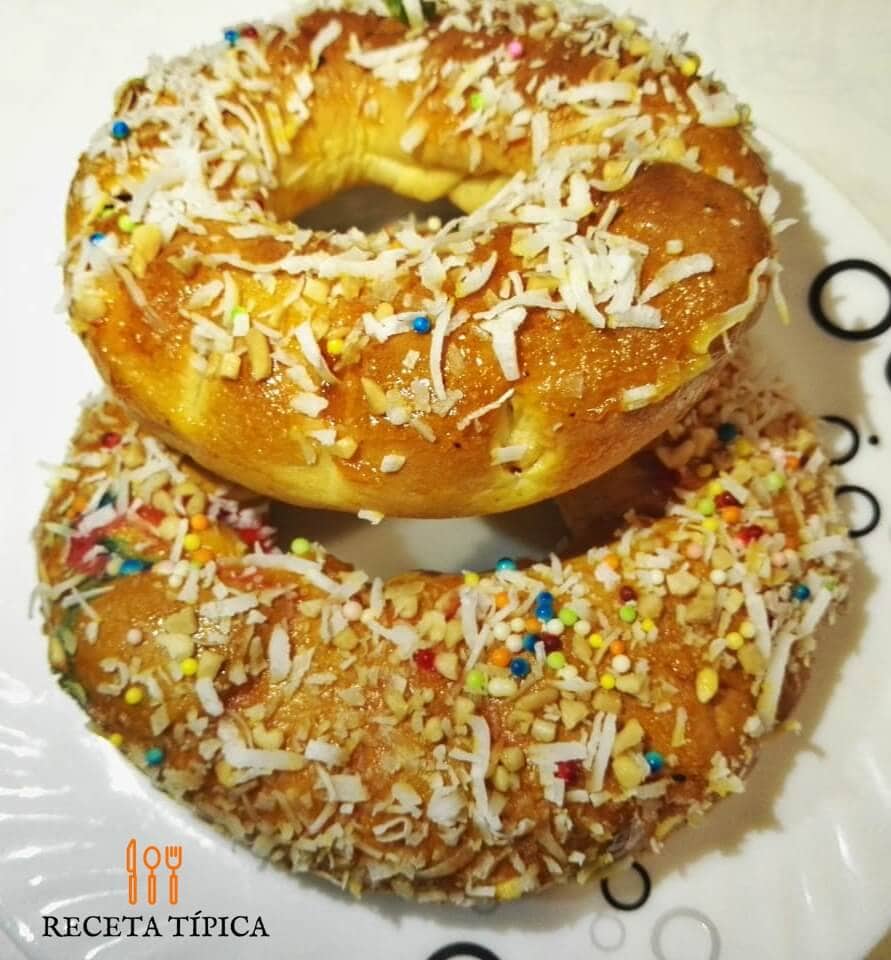
I hope, like me, you also take advantage of this recipe for a get-together with family and friends. Embrace every moment to the fullest. It's a wonderful recipe, suitable for both adults and children. I assure you they will love it.
"Getting Hands-on! How Do I Achieve the Perfect Texture?"
When kneading for roscones, a common query is about achieving the ideal texture. This step is pivotal. Your dough should be stretchy, neither too dry nor too sticky. If it sticks to your hands, add a bit more flour and continue kneading until you reach the desired consistency. Proper kneading ensures well-integrated ingredients and the perfect texture for the roscon.
"Yeast: The Secret to Proper Rising"
Many wonder about yeast. To activate it properly, dissolve in warm water with a pinch of sugar. Ensure you wait until the yeast starts frothing (about 10 minutes) before adding it to the other ingredients, guaranteeing it's active and ready to make your dough rise flawlessly.
"Sweet Fillings: How to Choose and Apply?"
When it comes to choosing between dulce de leche or guava paste, it's a matter of personal preference. To add the filling, roll out the dough into a long rectangle, place the guava paste or dulce de leche in the center, and fold the dough around it.
"The Final Touch: Achieving the Perfect Golden Hue?"
To achieve that impeccable golden hue, brush the roscones with a mixture of beaten egg and melted butter before baking. This not only gives them a beautiful color but also adds extra flavor. Bake until golden, typically 15-20 minutes at 160°C (320°F).
"Can I Prepare the Roscones Dough in Advance?"
Yes, after kneading, place the dough in a bowl and cover with cling film. Allow it to rest for at least an hour for the dough to rise.
Tips and Mistakes
For roscones, there are some handy tips and common mistakes to note:
- Don't rush the resting periods of the dough. Let the yeast work its magic.
- When rolling out the dough, don't stretch it too thin or the filling might tear it when folding.
- During baking, ensure the oven temperature isn't too high. This could overcook the exterior while leaving the interior raw.
- Mantecadas — from the same counter.
Other Colombian Recipes
If you enjoy roscones, other Colombian recipes use similar ingredients: buñuelos, pandebonos, and almojábanas. If you have a sweet tooth, try natilla, a traditional Colombian dessert often paired with buñuelos.
Lastly, if you loved the guava paste in the roscones, I recommend Colombian wafer cookies filled with guava paste and cheese, a delightful sweet-savory treat.
In conclusion, making roscones is both a delicious and rewarding culinary adventure. Whether experimenting with fillings or sticking to tradition, the end result will be equally scrumptious. Remember, love and care in each step make the difference. Enjoy the journey and bon appétit!
Let's not wait any longer and start cooking!
Pair these roscones with homemade oat drink. I suggest trying meringue kisses or cambray empanadas.
Roscones FAQ
A sweet yeast roll: the dough is rolled out, filled with guava paste or arequipe, rolled up and joined into a ring, with cuts snipped around the outer edge so it opens as it bakes. It is bakery food in Colombia, eaten with coffee, and sold individually.
No. The roscón de reyes is a large Christmas ring, decorated with candied fruit and usually not filled in the same way. Colombian roscones are individual, filled with guava or arequipe, and eaten year round. Same word, different pastry.
About two and a half hours, and most of it is waiting rather than working. Ten minutes to activate the yeast, an hour for the first rise, ten more resting, twenty for the second rise after shaping, and twenty in the oven. Actual hands-on time is around forty minutes.
It should be elastic and smooth, neither dry nor sticky, and spring back slowly when you press it. That takes eight to ten minutes by hand. Under-kneaded dough will not hold its shape when you roll and fill it.
The cuts open as the roscón rises and bakes, which is what gives it its characteristic look. They also let steam escape from the filling, so the ring is less likely to split somewhere you did not choose.
Both are traditional and this recipe includes both. Guava paste is firmer and holds its shape better while baking; arequipe is softer and more likely to leak, so use less of it and seal the dough well. Some bakeries do half and half.
Yes, in the fridge, and the flavour improves for it. Do the first rise cold and slow overnight, then bring the dough back to room temperature before shaping. It is the easiest way to split the work across two days.
📖 Recipe

Ingredients
- 400 g all-purpose flour (about 3¼ cups)
- 9 g dry yeast (about 2¼ tsp, one standard packet)
- 85 g warm water (about ⅓ cup; warm, not hot, or it kills the yeast)
- 1 tablespoon vanilla extract
- 1 teaspoon salt
- ½ cup sugar (half goes with the yeast, half with the flour)
- 12 g powdered milk (about 2 tbsp; it enriches the dough and softens the crumb)
- 1 whole egg for the dough, plus 1 beaten egg for brushing (two eggs in total: one goes into the dough, the other is for glazing before baking)
- 45 g margarine (about 3 tbsp; butter works too)
- 100 g guava paste (about 3½ oz; firmer than arequipe and less likely to leak)
- 20 g butter, melted
- 100 g arequipe (dulce de leche) (about 3½ oz)
- Cinnamon, to taste
Instructions
- In a small bowl, combine 4 tablespoons of warm water, half the sugar and the yeast. Stir until dissolved and wait about 10 minutes, until it foams. If it does not foam, the yeast is dead or the water was too hot: start again.
- In a large bowl, add the flour, salt, the rest of the sugar and the yeast mixture. Start mixing by hand.
- Add the margarine, vanilla and the whole egg. Mix well.
- On a floured surface, knead the dough. If it sticks to your hands, add a little more flour.
- Keep kneading for 8 to 10 minutes. The dough should be elastic and smooth, neither dry nor wet, and spring back slowly when pressed.
- Put the dough in a bowl, cover with plastic wrap and let it rise for at least 1 hour, until roughly doubled.
- Turn it onto a floured surface and knead briefly. Cover with a towel and rest for another 10 minutes.
- Divide the dough into 3 equal pieces and shape each into a thick rope.
- Roll each piece into a long rectangle. Put the guava paste or arequipe down the centre and fold the dough over it, rolling it closed.
- Join the two ends to form a ring. Repeat with the other pieces.
- Place them on a baking tray lined with parchment paper, cover, and let them rise for about 20 minutes.
- With scissors, snip cuts around the outer edge of each ring. These open as it bakes and let steam escape.
- Preheat the oven to 320 °F (160 °C). Brush the roscones with the beaten egg and the melted butter.
- Bake for 15 to 20 minutes, until golden.
- Decorate as you like: arequipe spread on top with coconut and sprinkles, or simply sugar and cinnamon.
Comments
No Comments