
Milk, butter and yoghurt need no explanation. Colombian cheese does, because it is a family of fresh cheeses with no real equivalent in an American supermarket, and because recipes translate its names badly.
Cheese (queso)
Colombian cheeses are fresh, white, unaged and mild. There is no Colombian cheddar tradition, no blue, no long-matured anything. What varies is salt and texture.

- Queso costeño, from the Caribbean coast. Firm, dry and very salty. It holds its shape in a pan, more like halloumi than like mozzarella.
- Queso campesino, mild and soft, barely salted. This is the everyday cheese.
- Quesito antioqueño, softer and slightly acidic, the one that goes into arepas and onto hot chocolate.
- Cuajada, fresh curd, closer to a very firm ricotta.
In the United States, queso fresco is the substitute for all of them and is sold in most supermarkets now. It is closest to queso campesino. For queso costeño, halloumi is a better match for behaviour, though saltier still.
And yes, cheese goes in the hot chocolate. A chunk of quesito is dropped into the cup of chocolate, where it half melts and is eaten with a spoon at the end. It is not a novelty, it is how it is drunk.
On this site: homemade cheese, cheese arepas, cheese bread, cheese sticks.
Milk (leche)
Drunk, and used as the base of an enormous number of drinks: fruit juices made in milk rather than water, milkshakes, avena and kumis.

Condensed milk deserves a mention of its own, because Colombian desserts lean on it heavily. It is worth making at home if the tinned version is expensive where you are.
Cream (crema de leche)
Translated recipes call this milk cream, which is not English. It means heavy cream or double cream, and that is what to buy.
Colombian cream is slightly thinner and often a little sour compared to American heavy cream, closer to a light crème fraîche. In practice heavy cream works everywhere, and making cream at home is straightforward.
Yoghurt (yogurt) and kumis
Yoghurt is drunk more often than eaten, sold in bottles and taken with lunch.
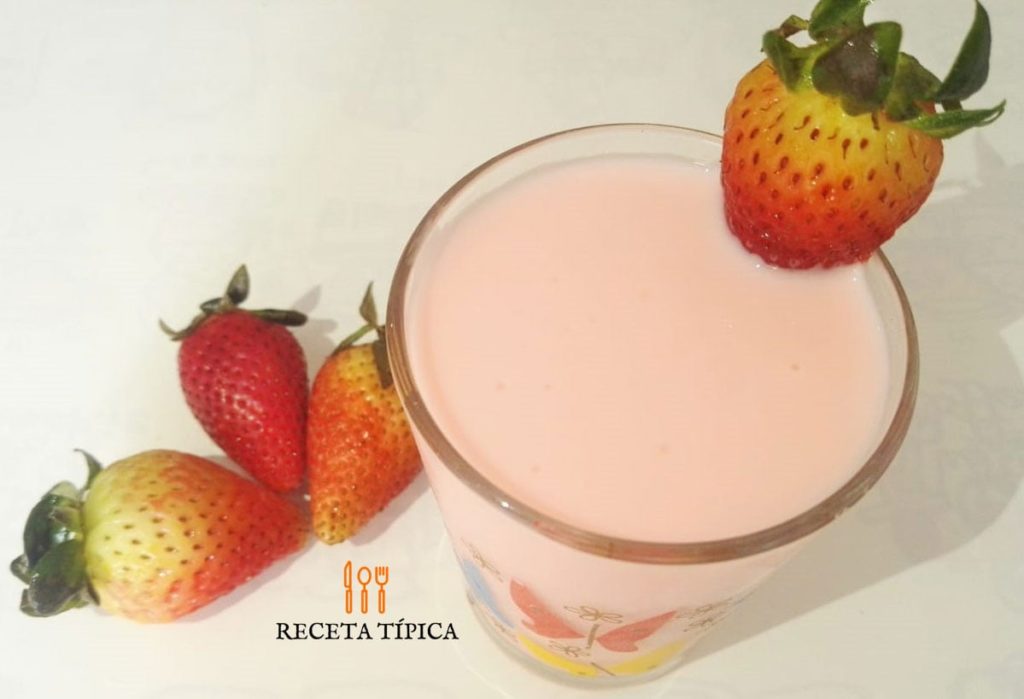
Kumis is the one that has no English equivalent: a thick fermented milk drink, sharper than yoghurt and unsweetened, sold alongside it everywhere. Also on this site: homemade strawberry yoghurt, greek yoghurt, buttermilk.
Butter (mantequilla)
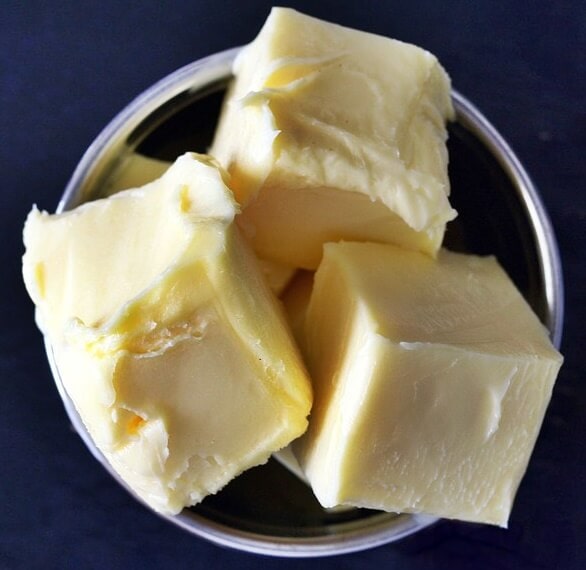
Used in baking and in some sauces, but far less than in European cooking. Most Colombian frying happens in oil, and margarine is common in home baking, which is why a lot of Colombian cake recipes call for it by name rather than for butter.
Colombian Dairy FAQ
Queso fresco, sold in most American supermarkets, is the closest to queso campesino and works for nearly everything. For queso costeño, which is much saltier and holds its shape in a pan, halloumi behaves more similarly. Avoid mozzarella, which melts and strings in a way Colombian cheeses do not.
Because it is delicious, and because it is simply how chocolate is drunk in much of Colombia. A chunk of fresh quesito goes into the hot cup, softens without fully melting, and is eaten with a spoon at the end. Salty fresh cheese against sweet chocolate is the same idea as salted caramel.
It is a literal rendering of crema de leche, and it means heavy cream or double cream. Colombian cream is a little thinner and slightly sour compared with American heavy cream, but heavy cream substitutes without trouble.
A thick fermented milk drink, sharper than yoghurt and unsweetened, sold in bottles alongside yoghurt across Colombia. There is no direct American equivalent; unsweetened drinking yoghurt or a thin buttermilk is the nearest thing.
Because margarine is what most Colombian home bakers use, for cost and for availability. Butter substitutes one for one and generally tastes better, so use it if you would rather.
Comments
No Comments