Four grains, and one of them comes with a warning that will save you a failed batch of arepas. Corn flour is not interchangeable, and the packet an American supermarket sells you under a similar name is the wrong one.
Corn (maíz), and the flour problem
Corn is the foundation of Colombian cooking: arepas, tamales, mazamorra, wraps. And nearly every foreigner who tries to make arepas fails on the first attempt for the same reason.

You need masarepa, sold as harina de maíz precocida and branded P.A.N., Areparina or Doñarepa. It is corn that has been cooked, dried and ground, so it rehydrates into a dough with nothing but water and salt.
What it is not:
- Masa harina, which is nixtamalised corn for Mexican tortillas. It is treated with lime, tastes different, and makes a dough that cracks rather than holds.
- Cornmeal or polenta, which is raw ground corn. It will never form a dough at all, no matter how long you wait.
- Cornstarch, which is a different part of the grain entirely.
The packets look alike and sit on the same shelf. Look for the words precocida or pre-cooked and you will have the right one.
Corn on the cob is mazorca, and tender young corn is choclo, which makes sweet choclo arepas. On this site: traditional arepas, cheese arepas, stuffed arepas, tamales, mazamorra, corn wraps.
Rice (arroz)
Eaten daily, usually twice. Long grain white rice, and the Colombian method is worth copying: the rice is fried briefly in oil with garlic before any water goes in, then cooked by absorption and left covered off the heat.

That brief fry is what keeps the grains separate. Rice cooked straight in water is fine, but it is not what a Colombian plate looks like.
On this site: coconut rice, rice with chicken, chorizo rice, green rice, rice pudding.
Oats (avena)
Mostly drunk rather than eaten. Avena is a cold sweet oat drink with cinnamon, sold in bags on the street and made at home in a jug, and it is closer to horchata than to porridge.
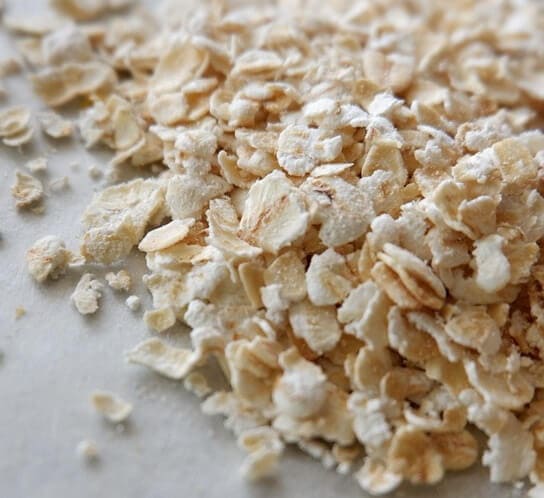
Rolled oats also thicken soup and go into bread and smoothies. Nobody in Colombia eats a hot bowl of oatmeal for breakfast the way Americans do.
Wheat (trigo)
Present as flour rather than as grain. It makes bread, cakes, empanada dough in some regions, and it thickens sauces.

It also makes wheat flour arepas, which exist and are eaten, though a Colombian will tell you they are a different thing from a real arepa. Wheat is not native to the cooking and it shows.
What to buy
- Masarepa: P.A.N. is the common brand and is now in the international aisle of many American supermarkets. White or yellow both work; yellow has slightly more corn flavour.
- Rice: any long grain white rice. Colombian cooking does not use basmati or jasmine.
- Oats: ordinary rolled oats, not instant.
Colombian Grains FAQ
No. Masa harina is nixtamalised corn for Mexican tortillas, treated with lime, and it makes a dough that cracks and tastes wrong in an arepa. You need masarepa, sold as harina de maíz precocida, under brands like P.A.N., Areparina or Doñarepa. The packets look similar and sit on the same shelf, so read for the word precocida.
Neither will work. Cornmeal and polenta are raw ground corn, and raw corn does not absorb water into a dough no matter how long you leave it. Masarepa has already been cooked and dried, which is the entire point: it rehydrates in about five minutes.
Both are correct and both are used in Colombia. Yellow has slightly more corn flavour and gives a deeper colour; white is the more common one for everyday arepas. It is not worth agonising over.
A brief fry in oil with garlic before the water goes in coats each grain in fat, which keeps them separate as they cook. It takes a minute and it is the difference between Colombian rice and rice boiled plain.
No. Avena in Colombia is a cold sweet drink of oats blended with milk, sugar and cinnamon, closer to horchata than to a breakfast bowl. It is sold in bags on the street and made at home in a jug.
Comments
No Comments