Colombia eats more potato per person than almost anywhere in the Americas, and the potato it eats is not quite the one sold in an American supermarket. That difference, plus cassava, is most of this page.
Potato (papa), and the one that matters
There are dozens of native varieties, but the one worth knowing is the papa criolla: small, round, deep yellow, thin-skinned and never peeled. It is a different species from the ordinary potato, and it behaves differently.

What it does is dissolve. Boiled in a soup it breaks down completely and turns the broth thick and yellow, which is exactly what makes an ajiaco an ajiaco. No other potato does this, and substituting Yukon Gold gets you a decent soup that is not the same soup.
In the United States, papa criolla is sold frozen, in packets, in Latin American groceries. Fresh is essentially unavailable. Frozen is what most Colombian city kitchens use anyway, so nothing is lost.
For everything else, ordinary potatoes: stewed potatoes, mashed potatoes, stuffed potatoes, croquettes, salchipapa, french fries.
Cassava (yuca)
A long brown root with white flesh, sold with a waxy coating that keeps it from spoiling. In English it is cassava, and it is also called yuca in American groceries, which is confusing because yucca with two Cs is a completely unrelated ornamental plant. Translated recipes get this wrong constantly.
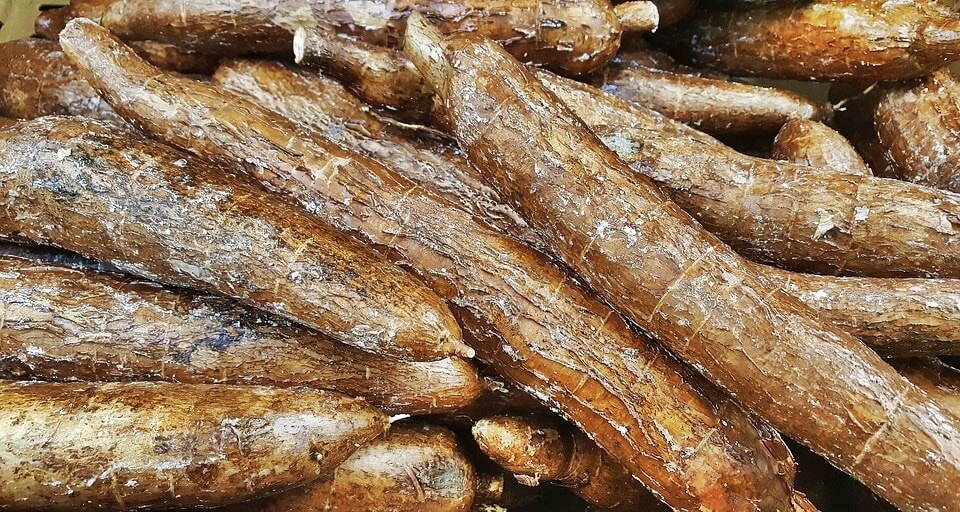
It has to be cooked. Cassava is never eaten raw, in Colombia or anywhere else, because the raw root contains compounds that release cyanide. Boiling deals with it completely and the sweet varieties sold for eating are low in them to begin with, so this is not a reason for alarm, but it is a reason not to taste it raw.
Boiled, it goes into soup and into sancocho. Fried, it is the standard side with grilled meat. Ground, it becomes the starch behind cassava bread, croquettes and cassava arepas.
Arracacha
A white root that looks like a pale carrot and tastes like something between carrot, celeriac and parsnip, with a smell that is unmistakable once you have met it. It grows in the Andes and essentially nowhere else, which is why there is no English name for it.
It goes into sancocho and into thick soups, where it does some of the same thickening work as the papa criolla. Outside Colombia, look for it frozen in a Latin grocery. If you cannot find it, parsnip is the closest thing in texture, though it will not smell right.
Beetroot (remolacha)
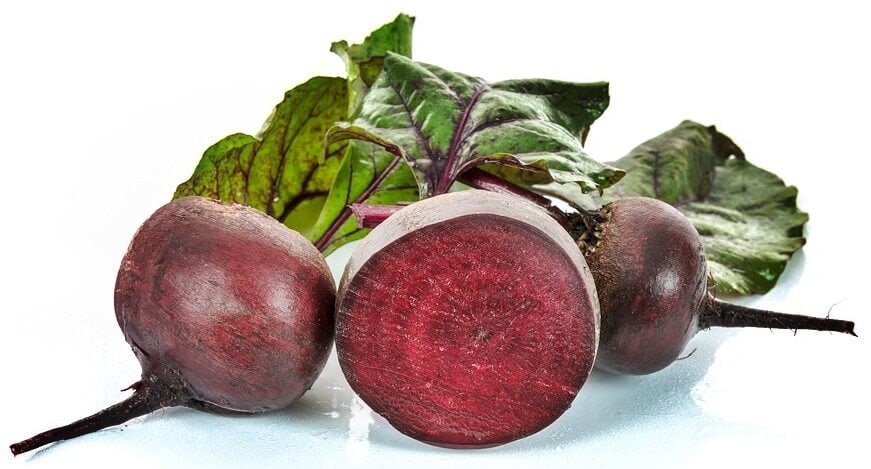
Used raw and grated in salads, boiled in beet salad, and blended into beet juice, which is common and stains everything it touches.
Ginger and radish
Both appear in Colombian kitchens without being central to the cooking. Ginger goes into aromatic infusions and into some coastal dishes; radish turns up sliced in salads for crunch. Neither is a defining ingredient, and neither needs any special sourcing.
What to buy in the United States
- Papa criolla: frozen, in a Latin grocery. Worth a trip if you are making ajiaco.
- Cassava: fresh in most large supermarkets now, often labelled yuca. Frozen chunks work just as well and save the peeling, which is a genuine chore.
- Arracacha: frozen, or skip it and use parsnip.
Colombian Tubers FAQ
A small, round, deep yellow potato, a different species from the ordinary one. What makes it irreplaceable is that it dissolves as it boils, thickening the broth and turning it yellow, which is what gives ajiaco its texture. Yukon Gold is the usual substitute and makes a good soup, but not the same one. Frozen papa criolla is sold in Latin groceries in the United States.
No, and the spelling is the only thing they share. Yuca with one C is cassava, the edible root. Yucca with two Cs is an ornamental desert plant that is not food. Translation software confuses them, and so do some product labels.
Raw cassava contains compounds that release cyanide, so it is always cooked, never tasted raw. The sweet varieties sold for eating are low in them and boiling removes them completely, which is why cassava has been a staple for thousands of years. Cook it and there is nothing to worry about.
Something between carrot, celeriac and parsnip, with a distinctive smell that is hard to describe and easy to recognise afterwards. It grows only in the Andes, which is why English has no word for it. Parsnip is the nearest substitute in texture.
Yes, and both layers: the waxy brown skin and the pinkish layer underneath. It is tough work with a knife rather than a peeler. Frozen cassava chunks come peeled and are a reasonable shortcut.
Comments
No Comments